Pesticles Part 2: Powdery Mildew, Cucumber Beetles, and Earwigs

It must be summer in the garden! Pesticles pesticles everywhere!!

Powdery Mildew

I was really starting to think that I had outsmarted the powdery mildew this year. This annually recurring annoyance has plagued every garden I’ve had for the last seven years, but THIS year I tried active prevention.

In years past, the powdery mildew was sneaky and slow, right up until it wasn’t, and then it was impossible to stop. I’ve spent many a summer sunset out in the garden spraying Neem oil on all the affected plants, coming in smelling like fish oil, and needing to shower. And STILL that shit persists.

Powdery mildew is my oldest enemy in the garden. It was the first – and to this day – the most consistent pesticle to fuck up my Happy Place.

This dumb-ass fungus among us is a slow fucker upper. You see one little white fuzzy spot here and there…
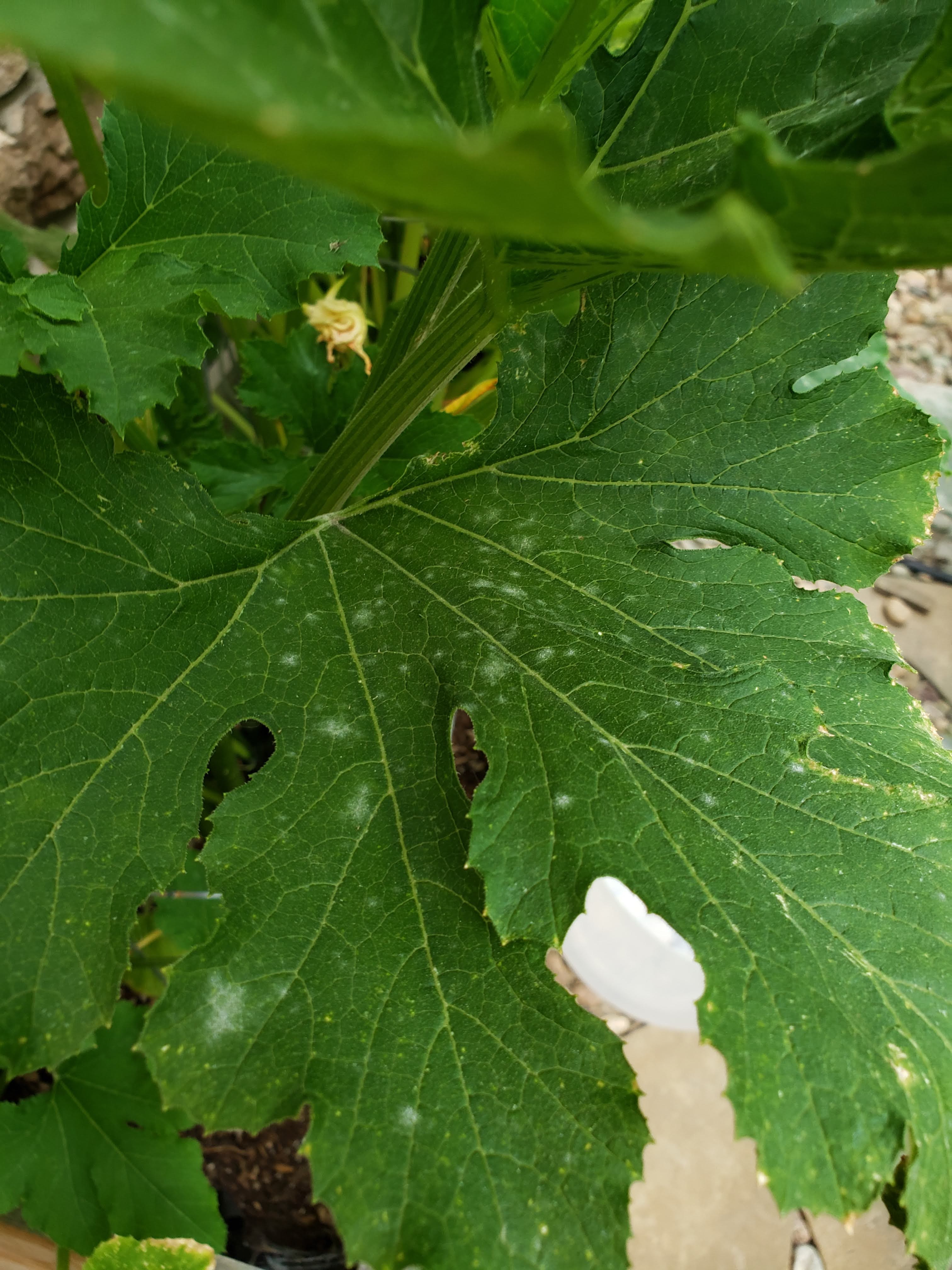
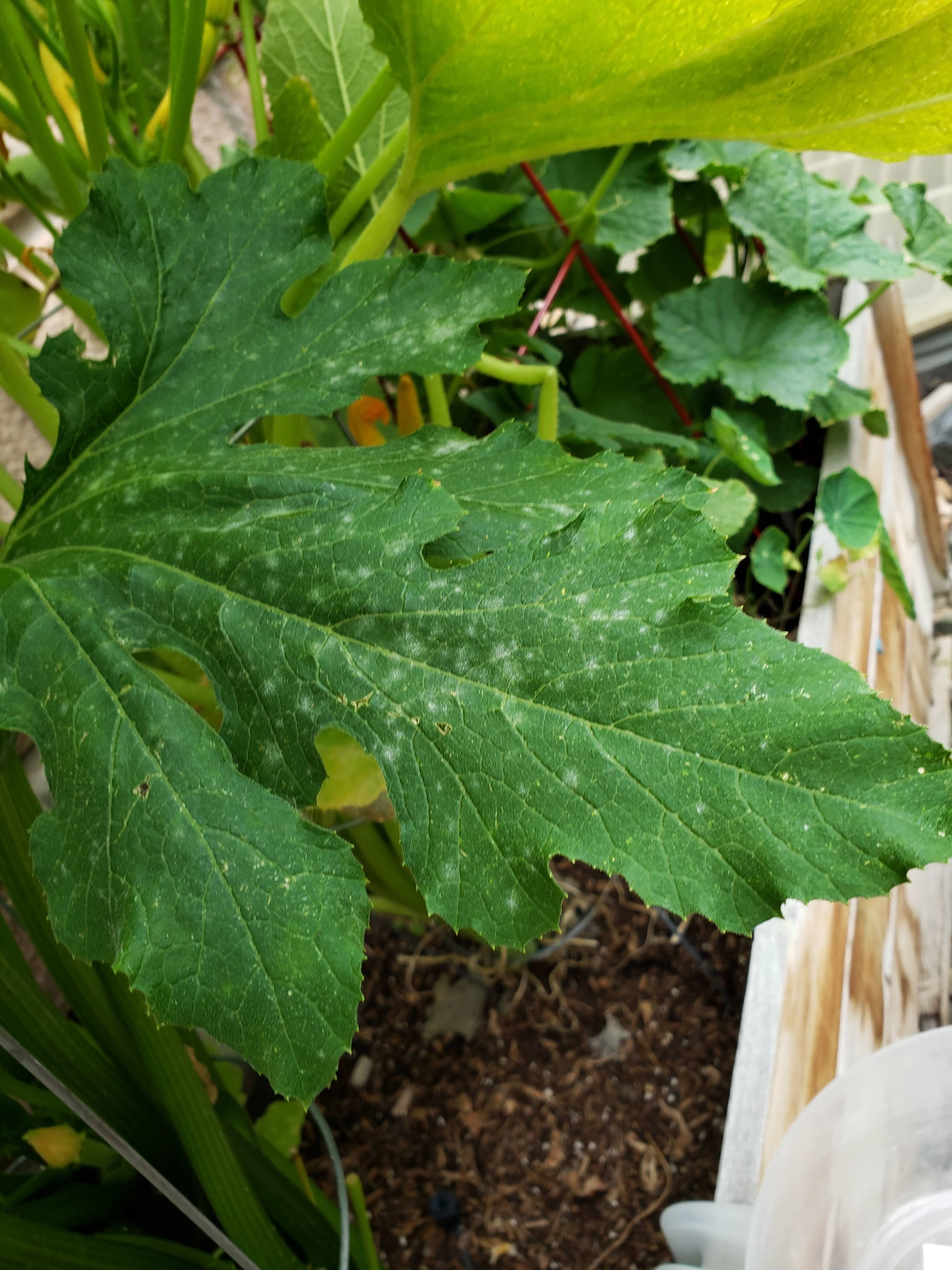
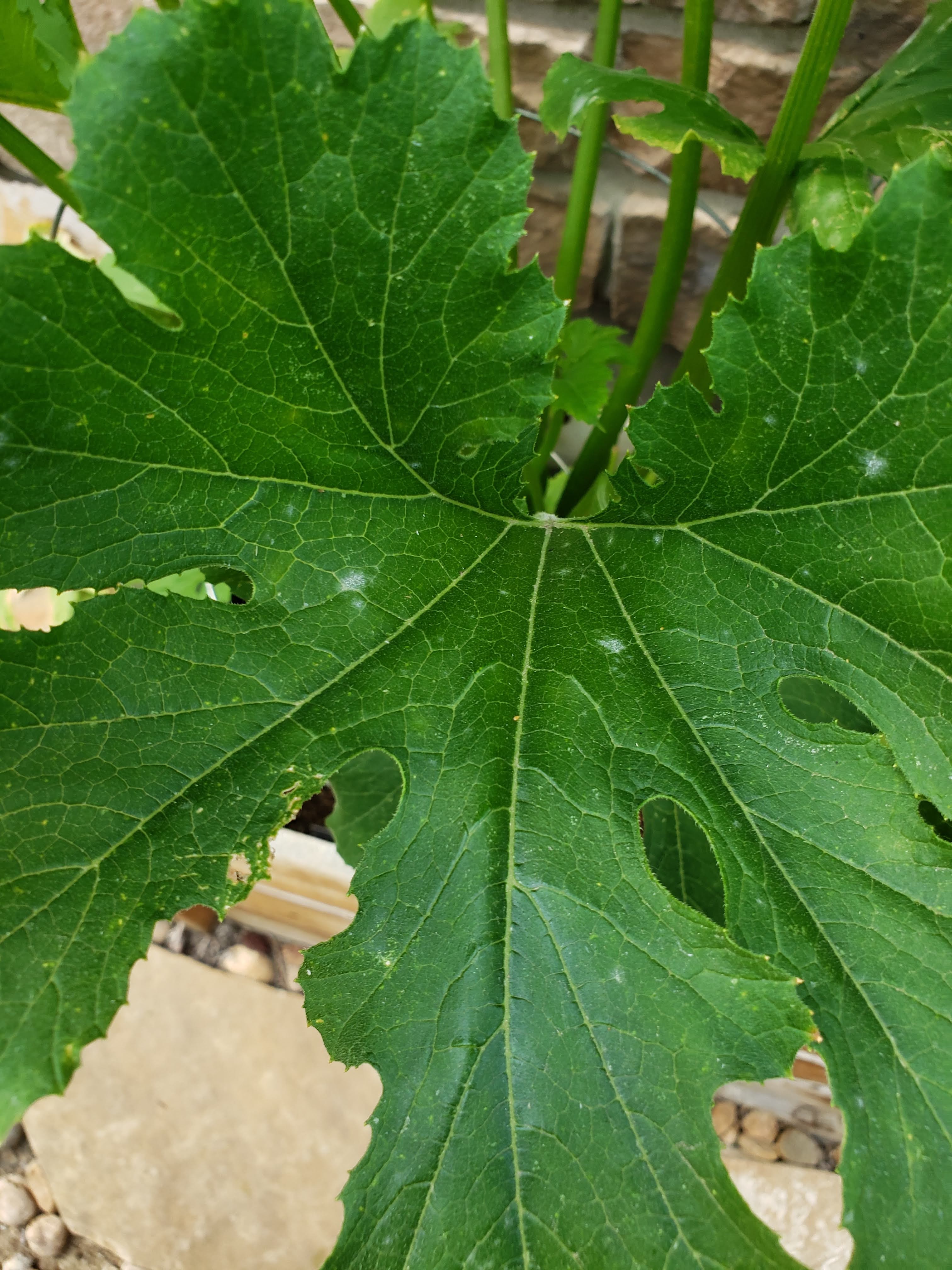
…and before you know it, whole leaves are getting fuzzy white all over, and turning yellow.
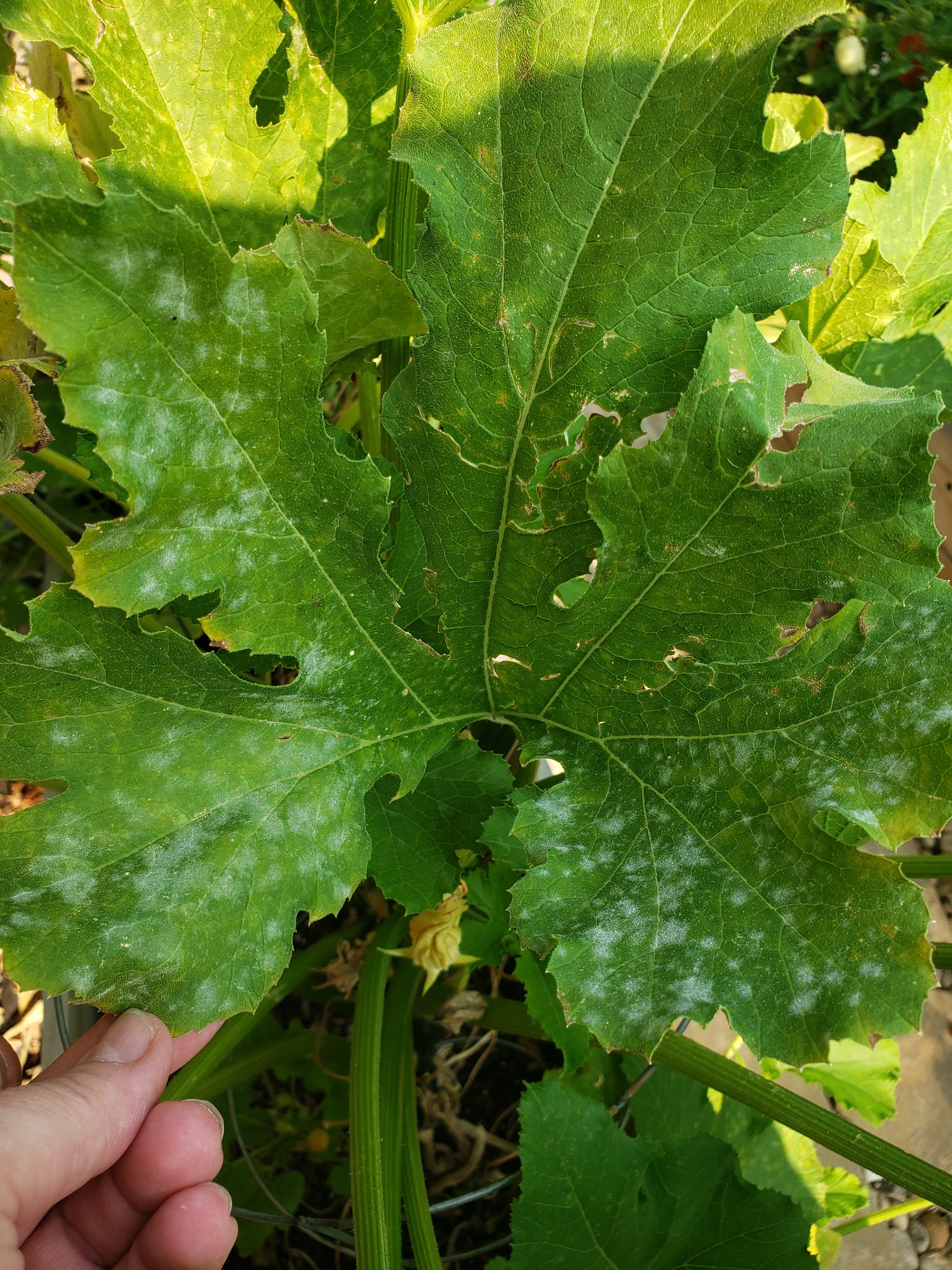
Powdery mildew taking hold of a zucchini.

This pesticle loves cucurbits, but is not terribly discriminating, and will take over peas and beans, too. I’ve lost entire crops of peas to this buttfucker because peas, like zucchini, have a silvery pattern on their leaves to begin with, and therefore it’s easy to overlook the fungus.

I really hate this pesticle because it’s hard to prevent, and you can’t actually get rid of it once it once you have it. The only strategy is mitigation.

Neem oil is the standard organic prescription for the home garden, but it doesn’t kill or remove powdery mildew, it just stops it from spreading for a few hours. Once you have an infestation, you have to treat it with the Neem oil every 7 days or it will take over. It doesn’t really hurt the fruit of the plant as long as the infestation isn’t too overwhelming. But left untreated or under-treated, the mildew will eventually stunt growth, reduce yield, and kill the plant.

This year I tried to be clever and cunning, and applied active prevention measures. For my garden that meant adjusting the drip irrigation so that the plants don’t go to sleep in a wet bed. This is the reason I have my drip system dripping at 6AM and 2PM. The 2PM water gives the soil a chance to dry a bit before the sun goes down, and therefore reduces the overnight moisture in the beds. A humid, moist, warm, and overgrown bed is a perfect incubation place for powdery mildew.

I already use vertical gardening to keep growth up off of the soil and to provide airflow, and I remove any dead or dying vegetation. These are the first best prevention methods, but they aren’t guaranteed. Powdery mildew is common, and just requires mitigation. But the hardest part about mitigation is timing.

The thing about the Neem Oil is that it does to the leaves what coconut oil does to your skin at the beach: it cooks. You can only use Neem oil when the plant will not be in the direct sun and heat, otherwise, it will cook and crisp up the very leaves you are trying to save. So evening applications as the sun sets are optimal. (I mean, I COULD get up before the sun and do it, but hahahahaha, let’s be real.)

Evening applications suck because I have young kids and evening means dinner, bath, and bedtime. By the time I can get out there for a non-burning application, it’s full dark. There’s mosquitos. And there’s the night critters. And I simply HATE wearing Neem Oil. It’s got fish oil in it, and when you spray, you have to manually squirt the top and undersides of each leaf. Even with elbow length rubber gloves, I’m gonna smell like dead fish when I come in. Yuck.

So this year I’ve been much more preventative, and although I do have some powdery fucking mildew on my zucchini and pickling cukes, my mischief is managed. For now.

Cucumber Beetles

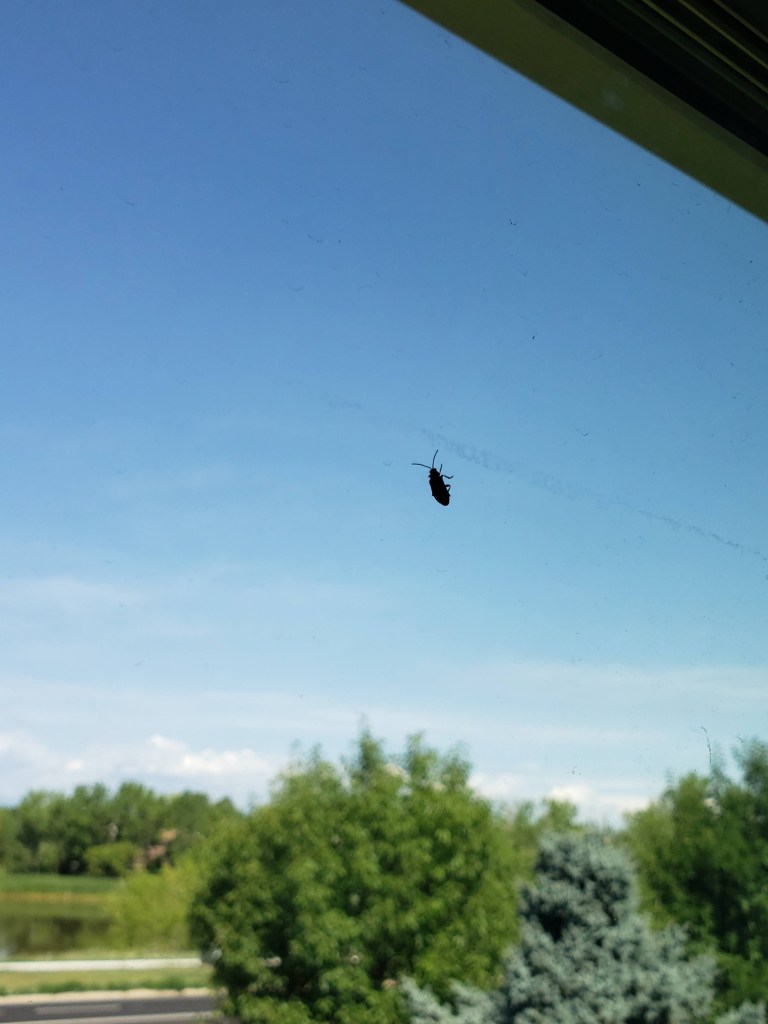
I don’t have a lot of pictures of these guys. They’re small and quiet, and pretty unobtrusive. I’ve rarely seen them on my cucumbers or other squash, but I have found a few on my pole beans. Usually when I see them, strangely, it’s here:
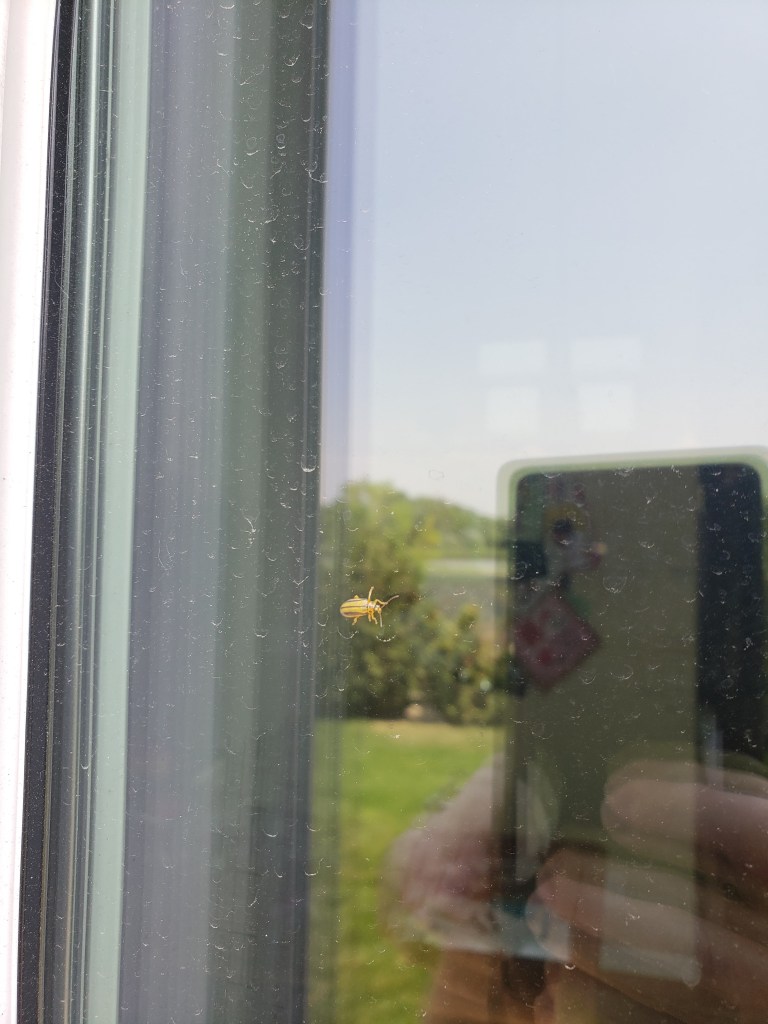
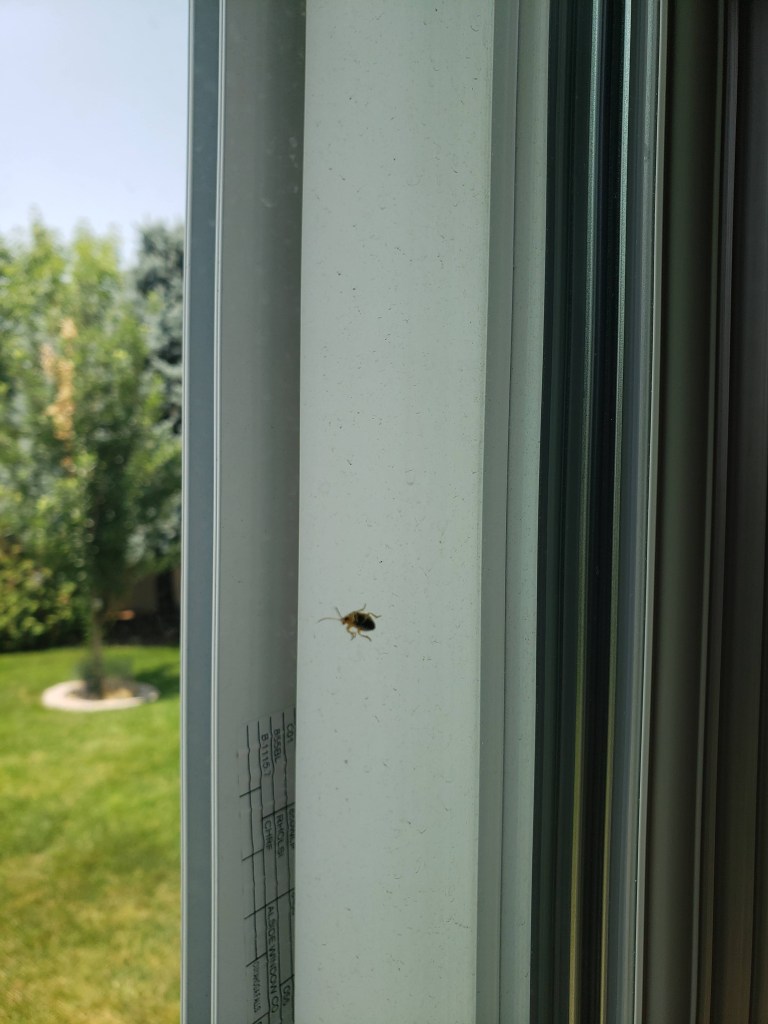
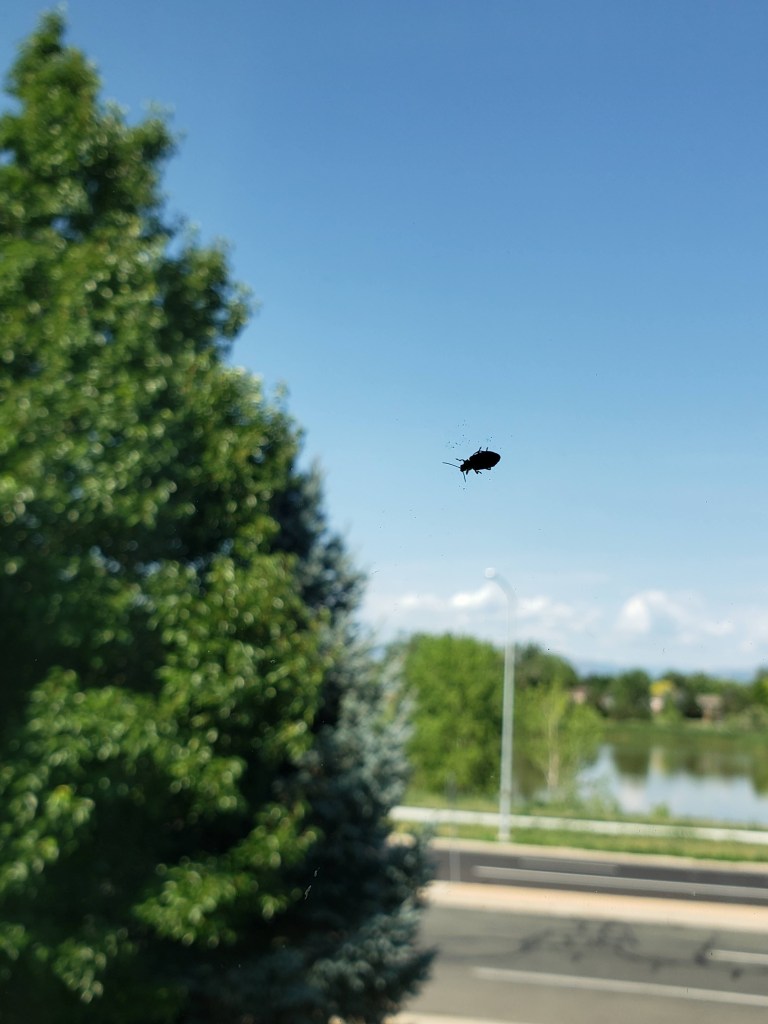
I definitely have cucumber beetles, but they mostly seem to hang out on my glass windows and doors, and always on the pond side of the house. That’s not to say they don’t go in the garden. The other day I shook several of them off of my pole beans and morning glories and into the soapy water I keep around for drowning the Japanese fucking Beetles.
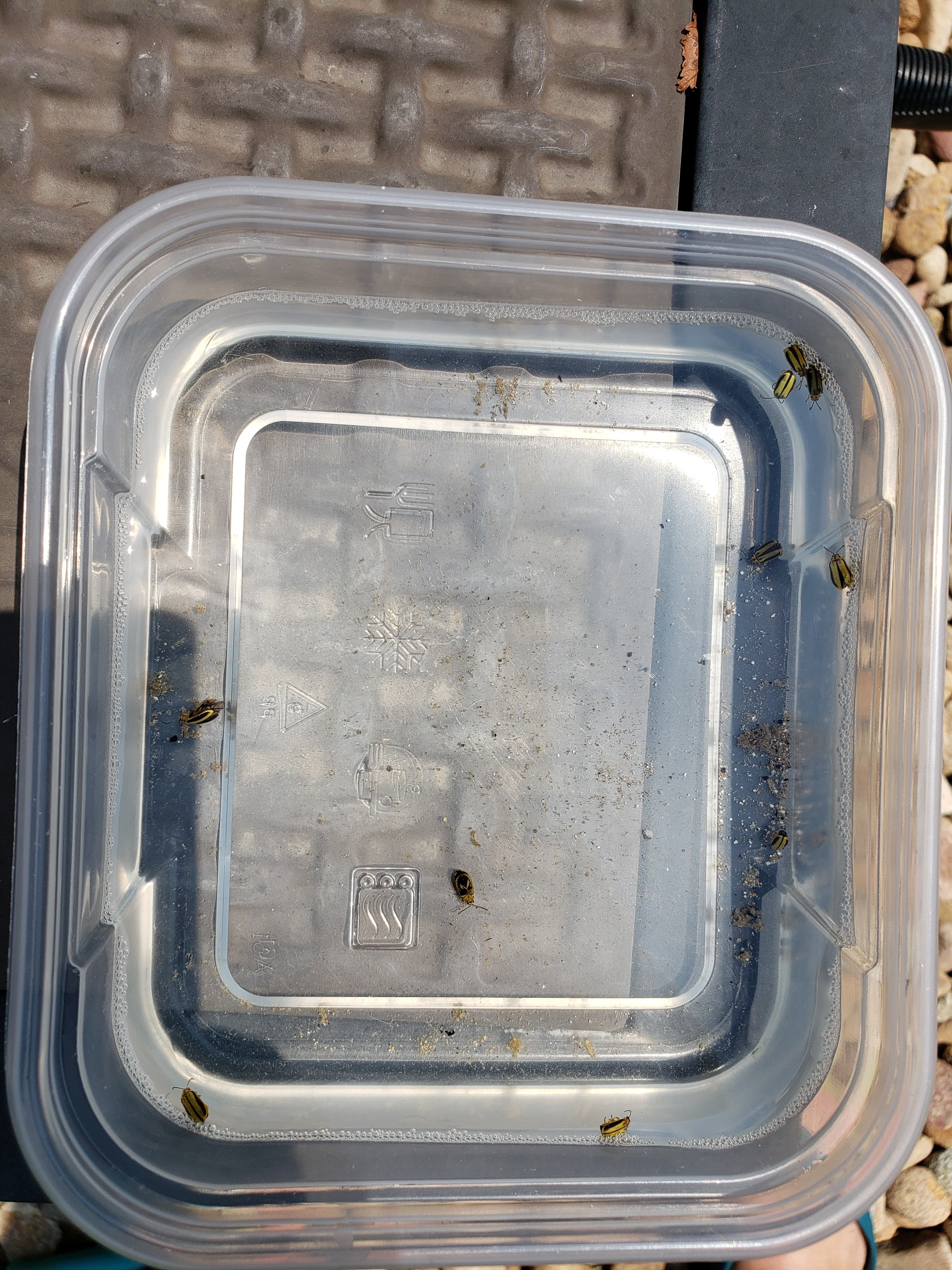
Cucumber Asshats sleeping with the fishes.

However, if they have done actual damage to my plants, I haven’t been able to determine exactly what.

Earwigs

Gross. I hate these twatwaffles. They aren’t exactly destructive to the plants, but they’re fugly, and roach-like, and have these nasty pincers on their asses. Ugg.

Earwigs like dead vegetation. And they like some live stuff, too. But they really like cool moist stuff the most. So they like to hide down inside my lettuce heads, and come running out when I’m placing lettuce in my basket. I find them scurrying around the bases of my pole beans, and down the insides and corners of my raised beds. I have an actual disgust look on my face right now while I’m writing this, because even thinking about these douchenozzles makes me cringe.

I guess if I have to have pesticles, these guys aren’t that bad, because they really don’t cause much damage to the actual garden. But they do creep me the fuck out. Gross.
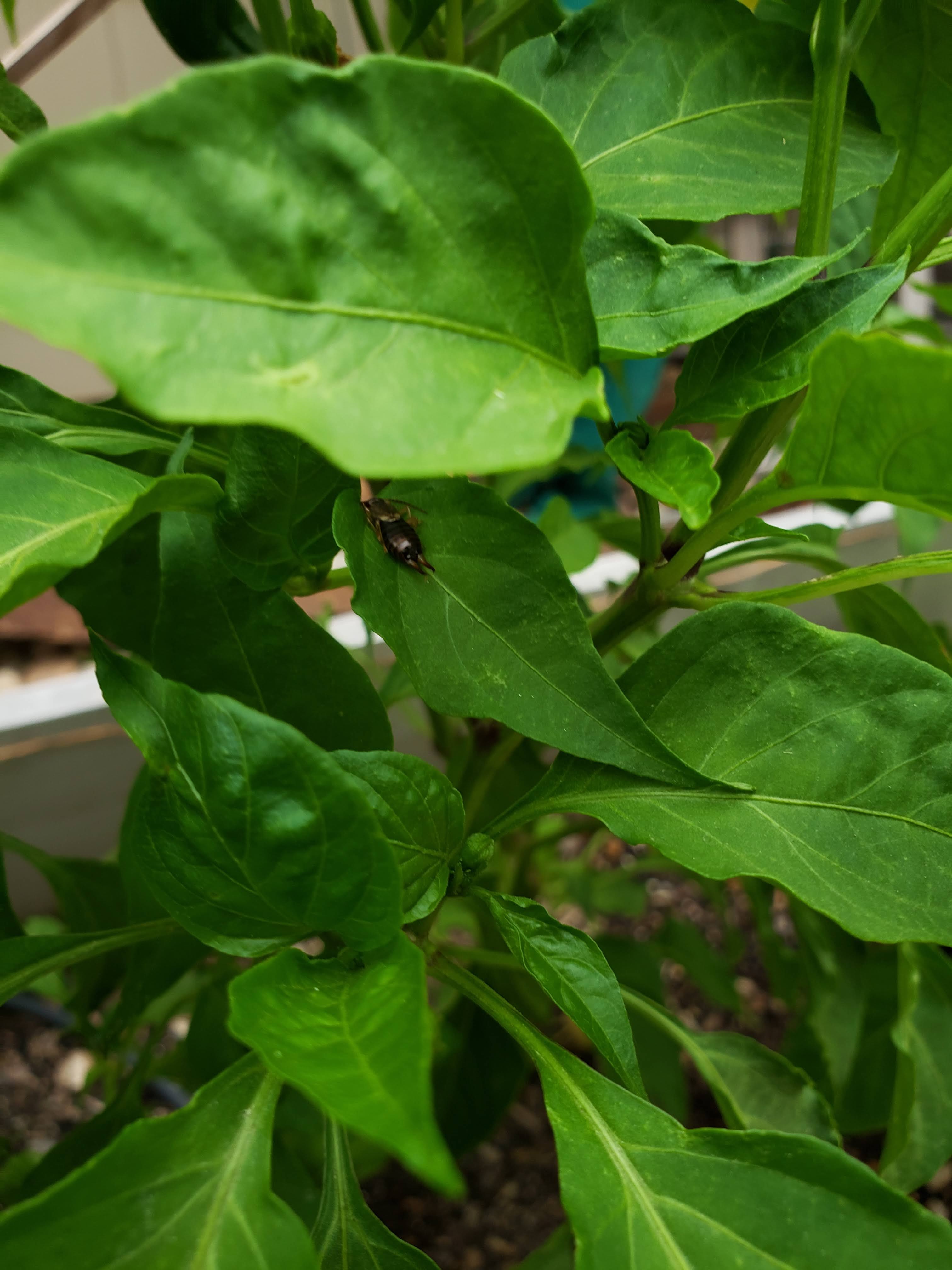
Douchenozzle earwig chillin’ on a pepper leaf.

What’s STILL wrong with the potatoes?

So my beautiful potatoes were growing so well! Beautiful flowers, strong green leaves, huge tall stalks. Until they weren’t. In my last post about the potatoes What’s wrong with my potatoes? I discussed the treatment I was attempting.

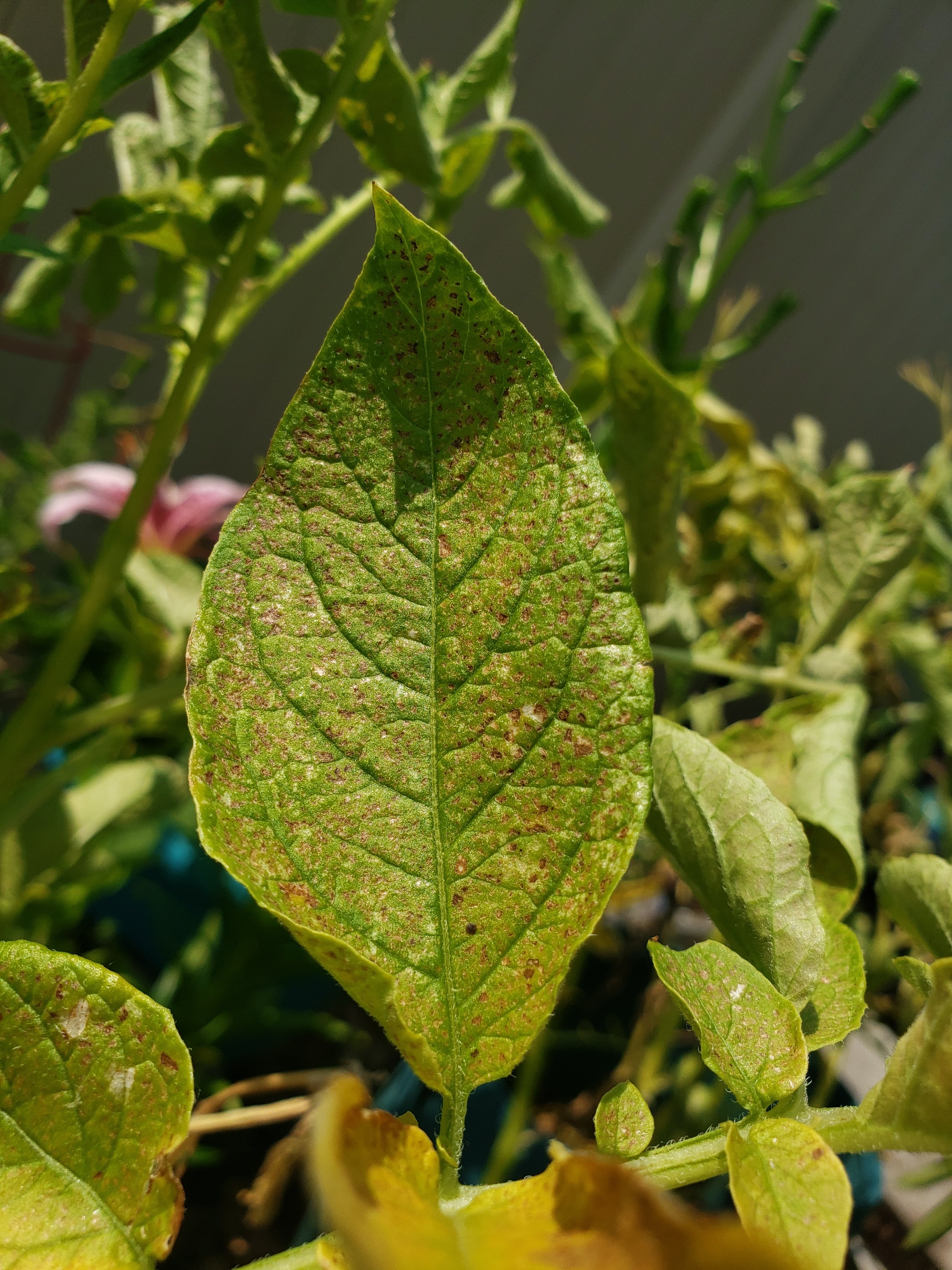
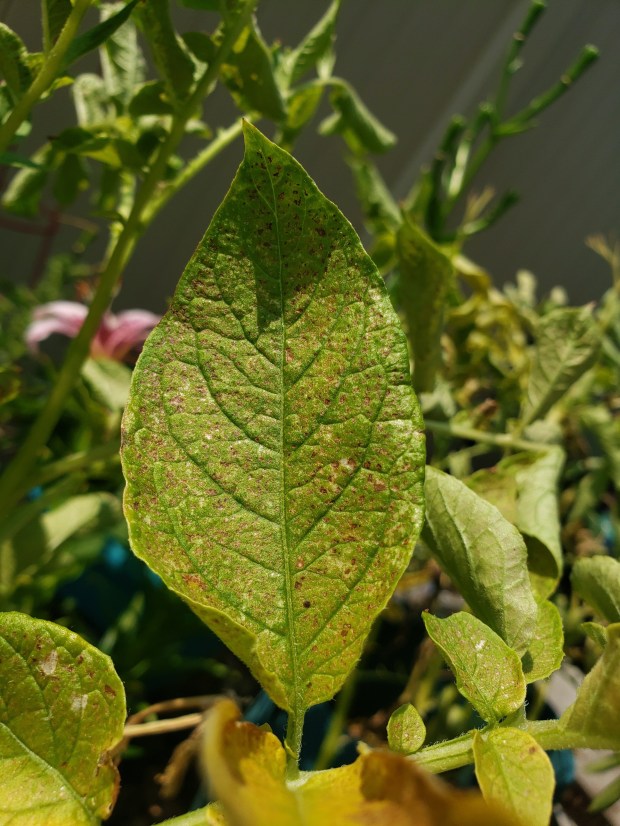
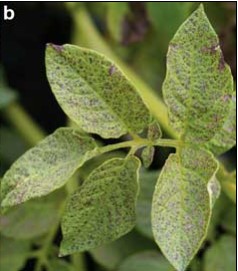
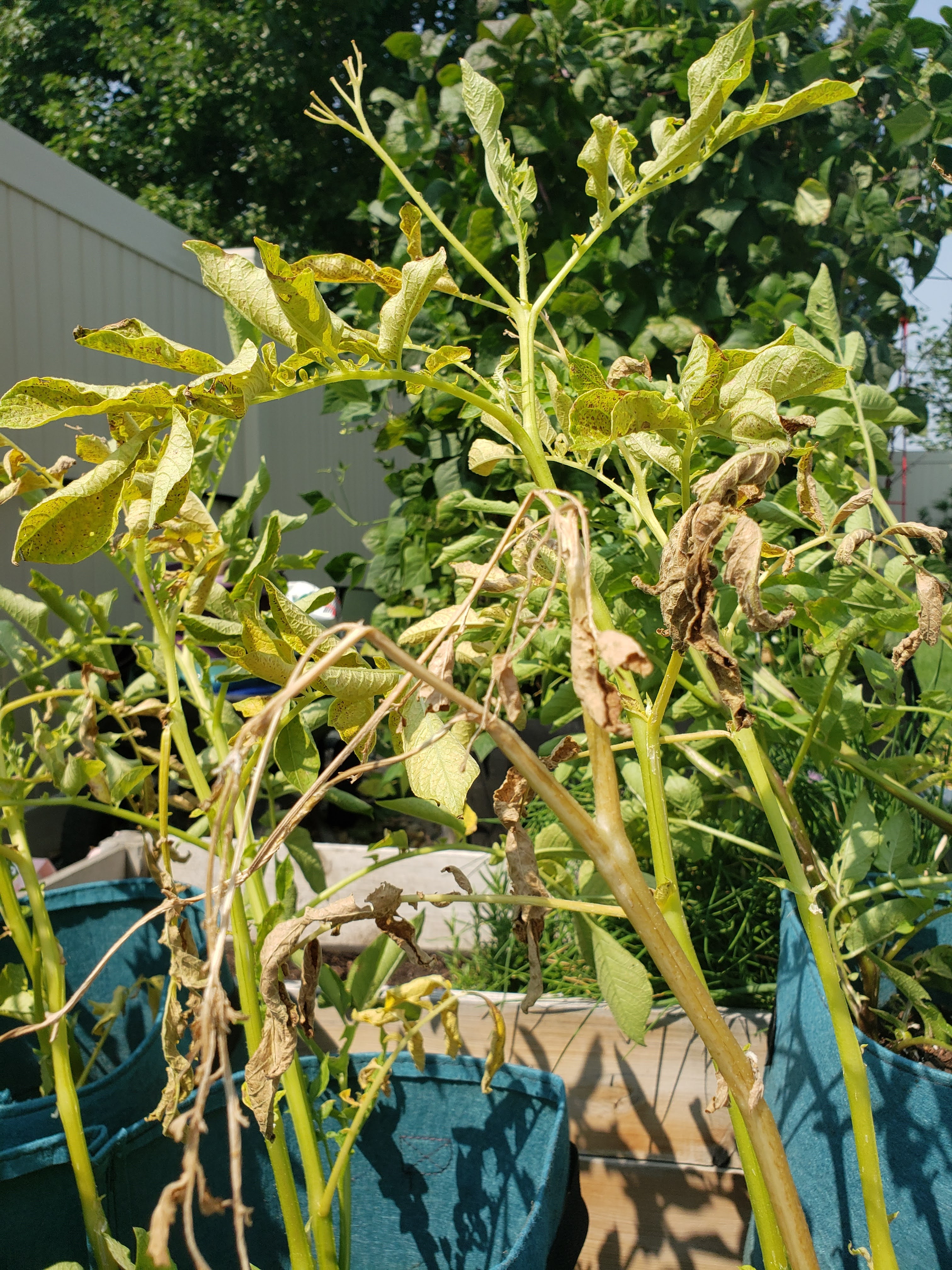
The leaves of my potatoes had started turning yellow with stupid purpley-brown spots. And the leaves went from spotted yellow to brown and fucking dead. My research told me that yellowing leaves, the oldest ones first, could be a nutrient uptake issue. And I hadn’t treated the soil with any fertilizer at all this season (I’m still learning about fertilizer).

So to try and fix the yellowing leaves, or at least stop the spread, I applied a standard Miracle-Gro garden fertilizer, and a magnesium (Mg) treatment. The Mg helps the plant to take in the proper nutrients from the soil. A deficiency of Mg means that even if the soil is rich and nutritious, the plant won’t be able to take in the treasure. It was a highly effective treatment for the Mg deficiency I experienced earlier in the season with my zucchini. See Something’s going on with the Zucchini.

More than two weeks later, there’s no discernable improvement, and in fact, the plants are very clearly dying.

When potatoes mature to the point of harvest, the stalks and leaves yellow and die back, so I’ve been trying to kid myself that it’s near harvest time. But NO. Die back should not be happening in July.

Shortly after the potato plant flowers, you’re supposed to be able to harvest some new potatoes from the potato sack. Because of this yellowing issue, I chose not to disturb the soil, and instead just checked for moisture problems. I was worried about overwatering because, to prep for an out of town trip, I had attached drip lines to water while we were gone. It’s handy to not have to hand water with the hose, so upon return, I left the drip lines in place.

All of my research is very clear about potatoes. Do not over or under water them. No shit.

It’s super fucking dry in Colorado, and the stupid-ass wildfires and global warming are not helping. To keep any plants alive in my garden, they must be watered AT MINIMUM once a day; to thrive, they need more than that. After seven years of messing with drip schedules, we’ve settled on a schedule that uses the least amount of water (we’re in perpetual draught here in the Front Range), and gives the most benefit. We water twice: three minutes at 6 AM, and another three minutes at 2 PM.

Point is, the potatoes are not UNDER watered.

So I had to check for overwatering. But how to know? I opened all of the sacks and found rich moist soil, but there was some white powdery stuff on th outside of the felt sacks (could be minerals from the water or could be a mold/mildew), and one of the sacks did seem too moist. But I don’t know for sure.

Needing to start somewhere, I chose a working hypothesis that the drip lines allowed me to overwater. But how? These plants are huge, they should be sucking up every last drop. But they don’t. Because they’re fucking dying.

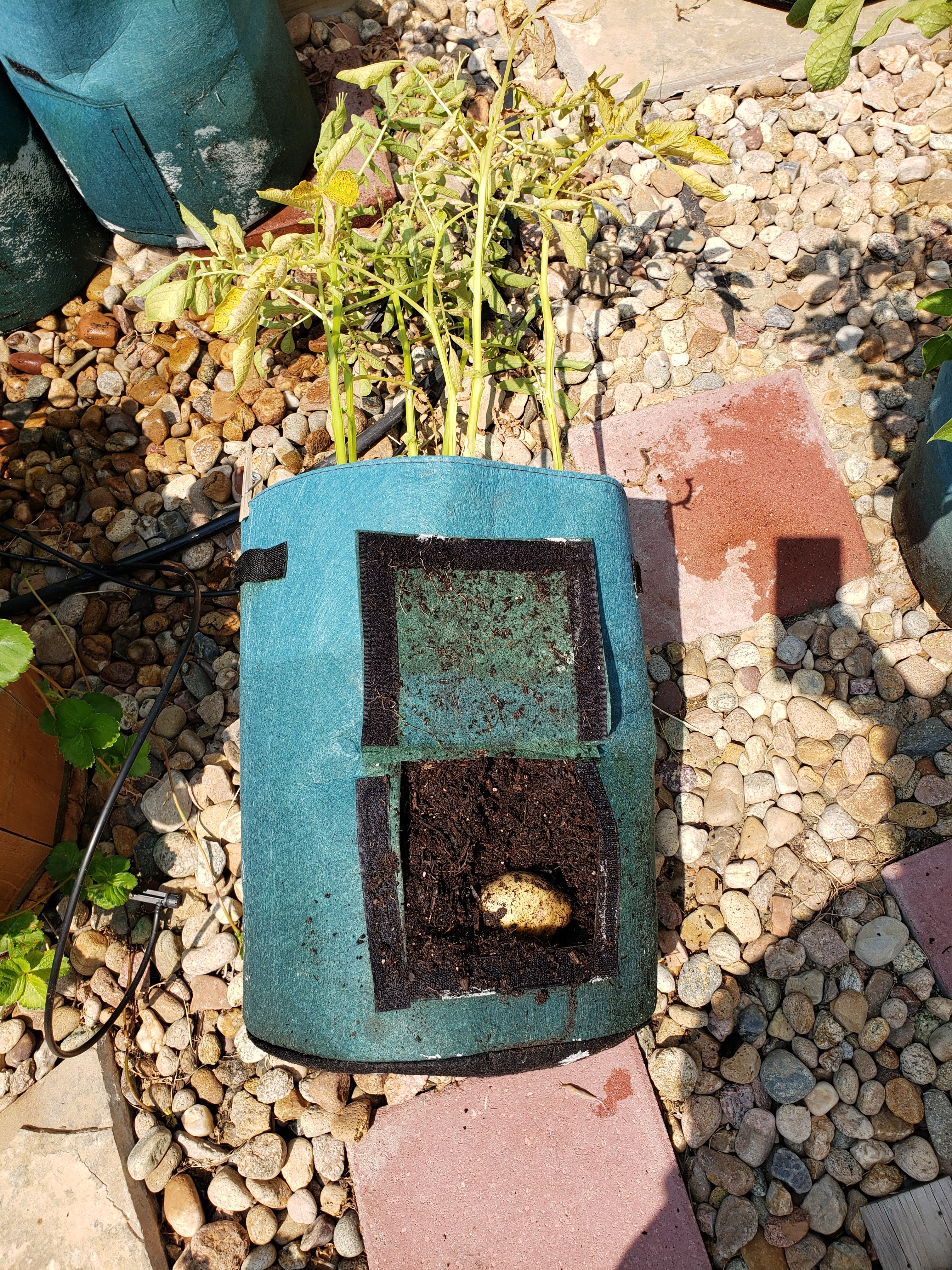
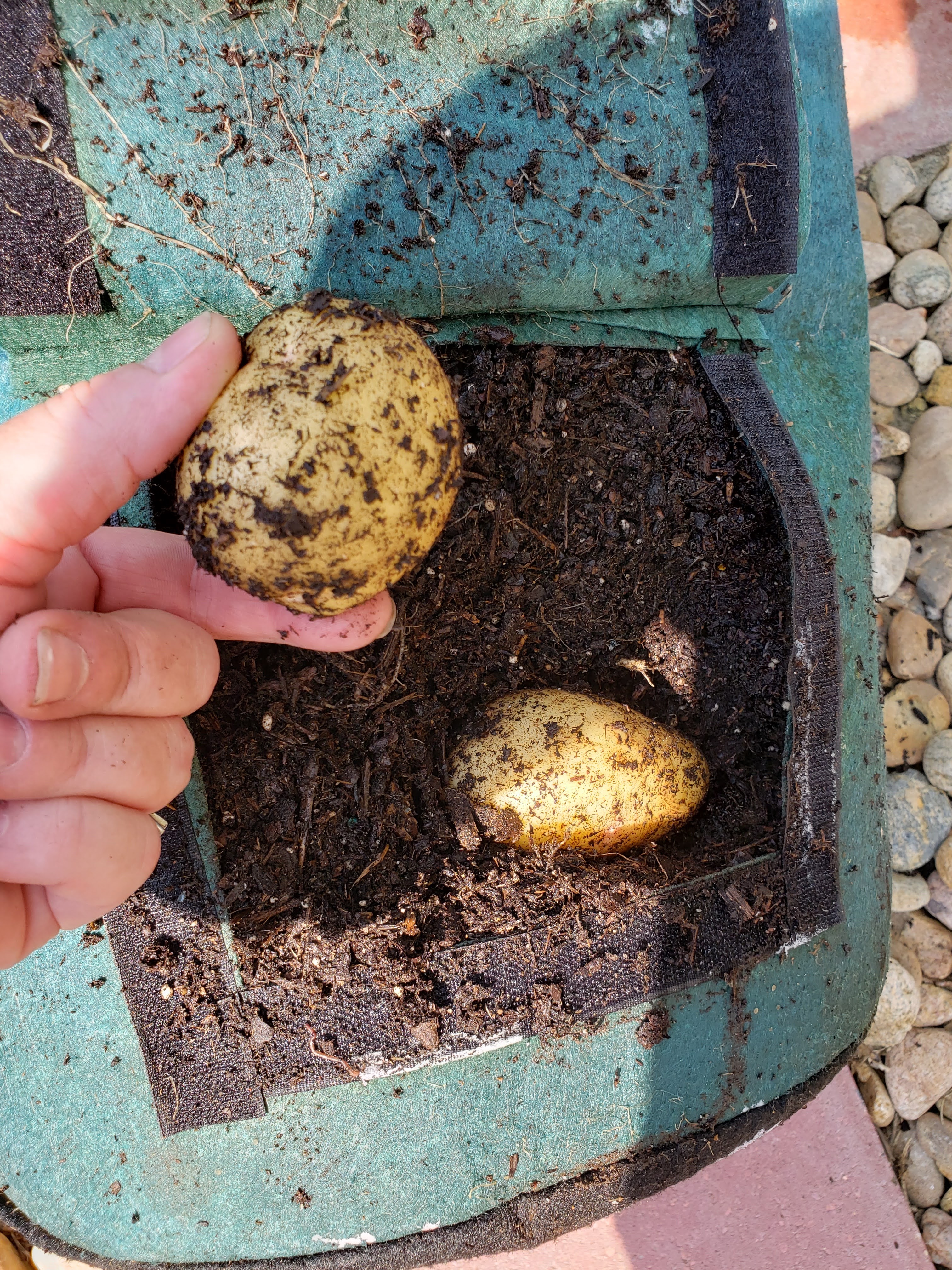
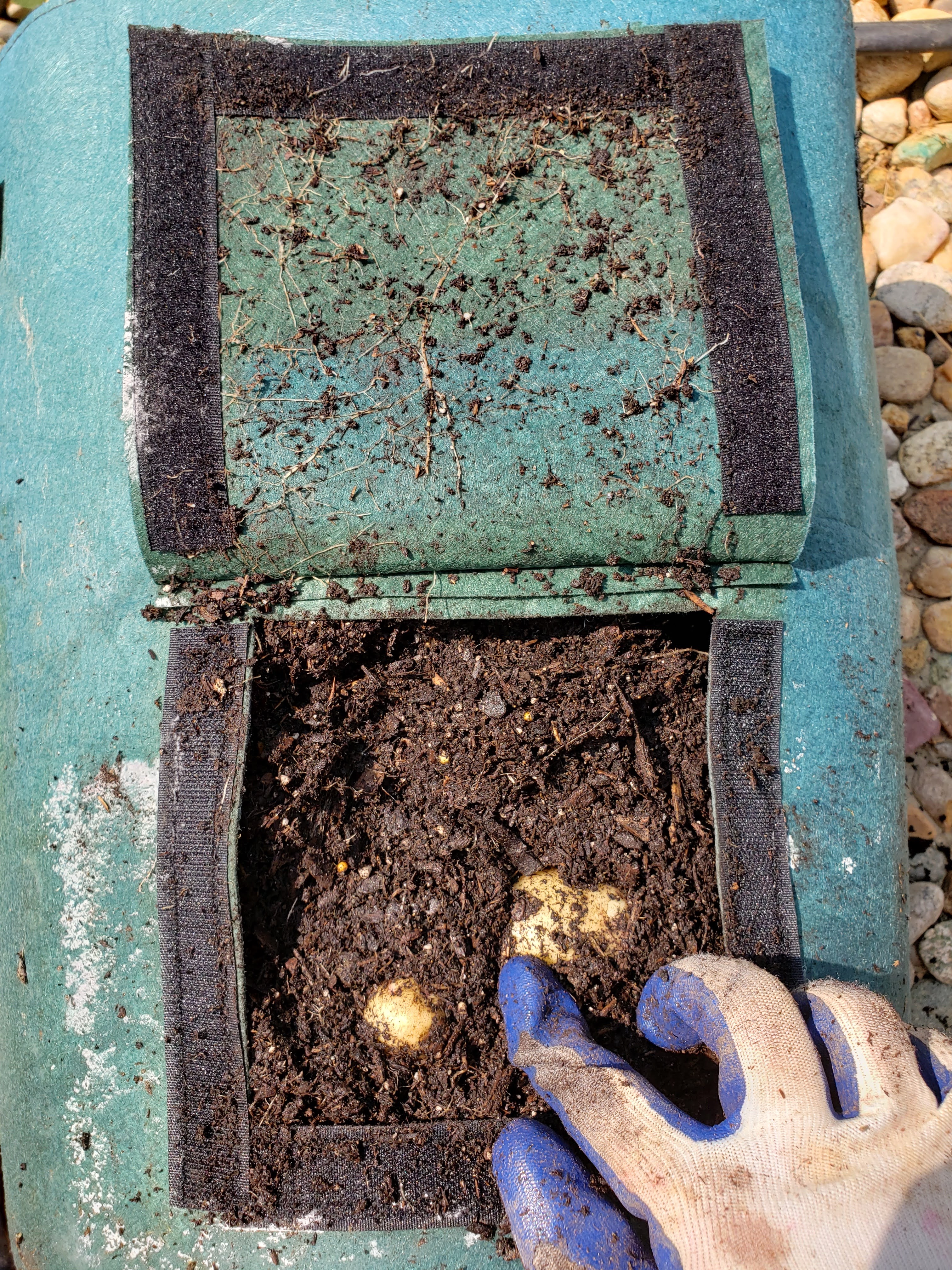
Now that I have a hypothesis to test, I needed to do some testing. First, I looked inside the bags to observe the soil moisture and root systems. Here’s what I found when I dug around:

To my shock, I found several lovely firm beautiful potatoes! They’re drying on my counter, and I haven’t eaten or cut into them yet, so I don’t know what they look like inside.

I felt around for more and smaller tubers in the bags, and didn’t feel much of anything except roots. I went ahead and pulled the potatoes I did find, because I am not optimistic that there’s more coming, and I don’t want the ones I have to rot in the bag.

But back to what’s wrong with the little fuckers.

Having investigated the soil in all the bags, I replaced everything back to their positions minus my little treasures, and waited 24 hours to dry out the soil. The bags dried out quickly, and I’m back to hand watering – just a little bit, so I can make sure not to make them too moist.

But folks, that’s not the problem. I still have one nice green potato plant, it’s the purple variety of seed potatoes that I picked up on a whim from Lowe’s in the spring. The other four bags are the Yukon seed potatoes I ordered from Gurney’s back in February.

Here’s the thing. It’s best to use seed potatoes because the seed companies make sure the seed potatoes are blight and fungus free. Well, they try to. And because all of my seed potatoes are from reputable seed places, I haven’t considered blight or fungus as a real threat. But after my initial investigation, and with further research, I sadly have come to believe that the Yukons (four of my five potato bags) are plagued with Shit Spot. Oh, I mean Brown Leaf Spot.

I did a whole bunch of research, and this article has me close to convinced, because of the picture of the leaves. These leaves look just like mine (the brown spots were all purpley just a week or so ago):

To be honest, I don’t actually know what’s wrong with these potatoes, I’m just using the science techniques of literature review, testing hypotheses, and data collection. There’s a real possibility that the problem could be Verticillium Wilt or Fusarium Wilt, both of which are common fungal issues, and of which, my potatoes have several of the same symptoms.

I’m not a botanist or master gardener, so I’m having a hell of a time diagnosing the problem with any certainty. One of the reasons I can doubt the Brown Leaf Spot diagnosis is because my research says that it will cause reduced crop, like around 10%. But what I’m seeing from my actual plants is something far more devastating, which leans me towards the fungi or a bacterial wilt. For a few minutes, I was actually sure it was bacterial wilt.

Well, sonofabitch. If the problem is Brown Leaf Spot, then my research says it can be managed with a couple fungicides for the rest of the season, but my research results have yielded information primarily for farmers, not for the home garden, and not for potatoes in containers. And, at this stage of progression, even if I can keep the plants alive, there’s not enough time in the season for growth of a real crop of potatoes.

The other possibilities of wilts and bacteria will simply be the end, and will require me to destroy the plants and fallow the soil for years. Fuck a duck.

So, what am I left with? A handful of yummy new potatoes, and 4 containers full of tainted-ass potato plants, and no real solutions.

My plan: The one remaining healthy-looking bag will remain, and I’ll keep my fingers crossed for some yummy purple tubers in the fall. For the other four bags, I’m going to keep hand watering as necessary, until they finish dying. Just in case there’s another edible potato or two to come. At the end of the season I’m going to dump the bags and the soil entirely, maybe even burn them all (burning everything is one of the requirements for farmers who have blight), and start all over again next year with new bags, new soil, and new seed potatoes. Grrr, fucking pesticles!!! I’m really bummed out about this. Potatoes have been so easy to grow in the past, and so very very yummy!