How I Store My Bounty

Going through pictures of my garden from previous years, I noticed that it’s been getting bigger and better every year. It’s become especially obvious this summer when I had to invest in more veggie-saver containers.

We try to eat most of what I grow when it’s fresh. From July to October we’re chowing green beans multiple times a week, from May to June we’re snarfing peas and lettuce and spinach. But the zucchini and squash are not favorites for the family, even though I love them, and so they hang out in the fridge a little longer than the others, and sometimes become yummy bread or a casserole.

The cucumbers and strawberries keep coming all summer, along with the tomatoes that usually start coming in July. The peppers start popping by the end of July and are continuous joy until frost.

But there’s only four of us at my house, so our veggies need to have a bit of a shelf life until we eat them, cook them, or freeze them. I like to grow the veggies, but for me, cooking is more a chore than a joy. Although my husband is a chef, he’s more of a meat guy than a veg guy, so it’s still up to me to find recipes and storage solutions for the garden bounty.

Lettuce and Spinach

I’ve found that the best way to keep lettuce and spinach crisp and fresh is to gently pack rinsed and dry leaves in a ziploc bag with a damp paper towel laying down one side of the bag. Blow into the bag to puff it up before sealing. This provides space that keeps the leaves from squishing and getting slimey, and moisture that seems to keep the leaves from wilting. I’ve kept lettuce and spinach tasty for nearly two weeks using this strategy.

Tomatoes

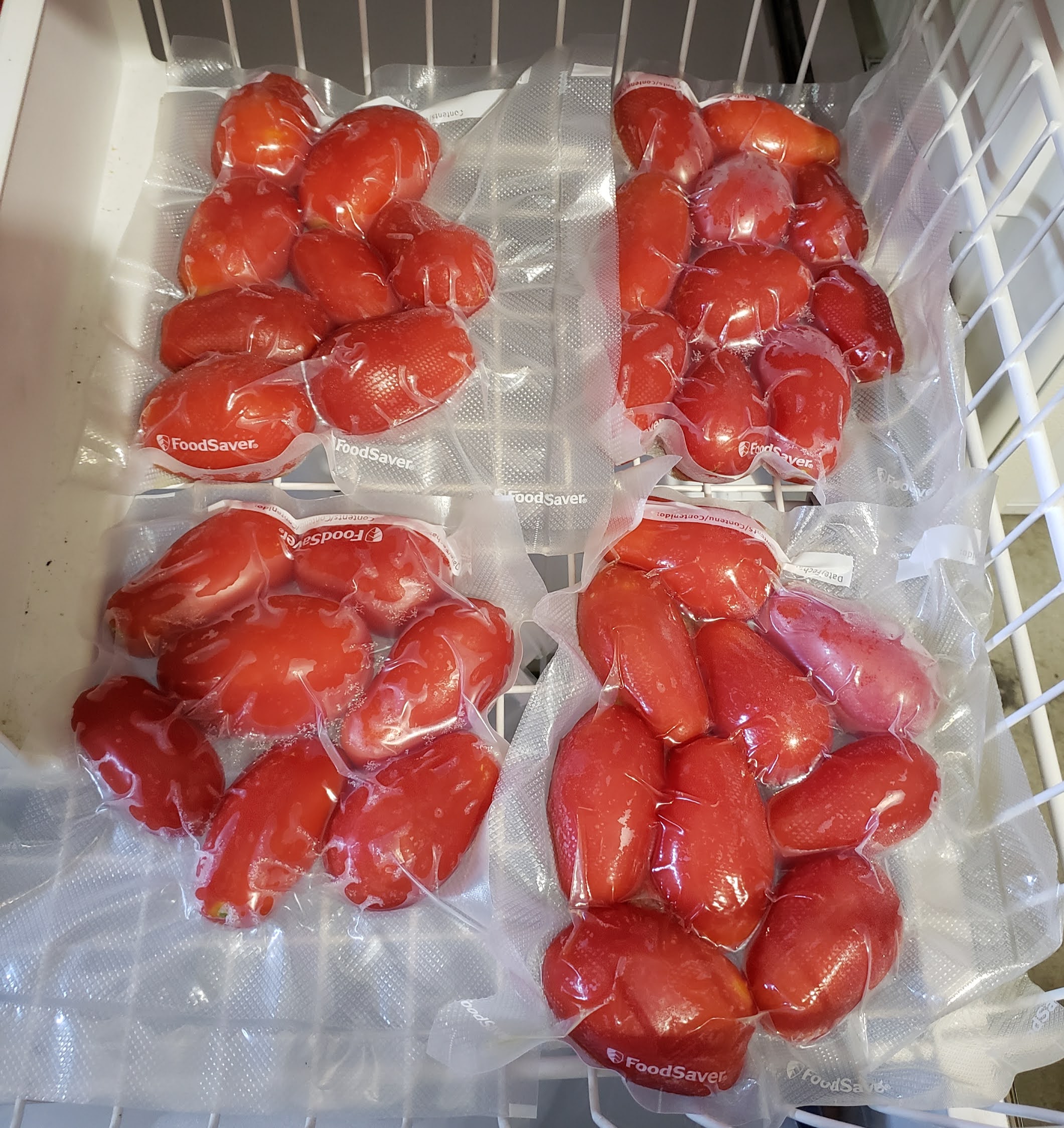
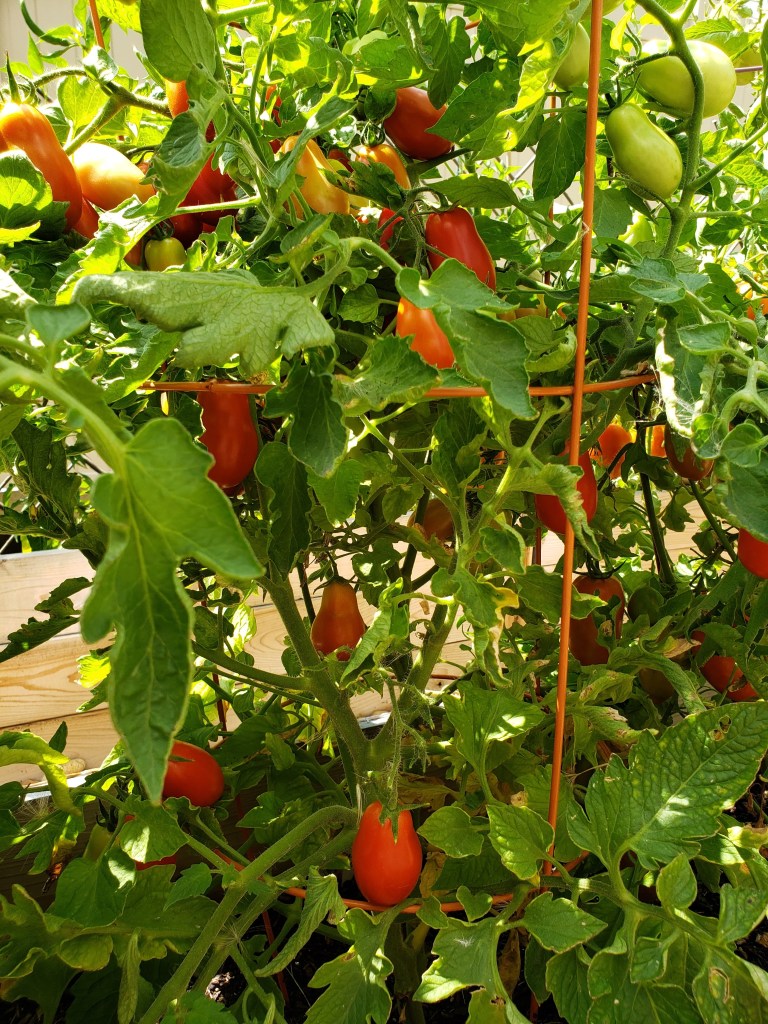
In my experience so far, the best way to keep tomatoes fresh is on the vine. Picking tomatoes at the peak of blood red perfection is the reason to grow them, of course! No store-bought ‘maters can ever develop that kind of flavor turning red on a shelf. Once the tomato treasure is so red you’ve no choice but to pick them or lose them, give them a quick water rinse and dry, and then let them vegetate on a towel in the open. Mine sit on a soft mat on the kitchen island. My youngest daughter will graze the Super Sweet 100s like candy; Nana, too. If we don’t eat them or use them fast enough, and they start to pucker, I will cook them into sauce or soup, or freeze them whole until needed.

This summer I’m trying out a new strategy for the full-size tomatoes. Since cooking isn’t really my jam, the thought of spending several sweaty hours alternating over boiling and freezing water, covered to my elbows in seeds and slime and skins, and getting blisters from the coring utensil, all just to freeze ONE BATCH of tomatoes, almost makes the damn things not worth the effort. I can get decent sauce at the store for a couple of dollars and no clean up. So I found some innovative simple ideas online that are helping me maintain my love for my tomato bounty. I’m freezing them whole using this methodology:

Check out Homemade Food Junkie’s instructions here: https://www.homemadefoodjunkie.com/freezing-tomatoes-whole/

So far, I’m in love with this method because it’s so easy! You freeze them whole, then put them in a vacuum sealed bag or Ziploc, and you’re good for like a year! I cannot yet speak to how great the ‘maters are when defrosted, but Homemade Food Junkie can and does on her recipe page (link above). She also has recommendations for different varieties of tomatoes.
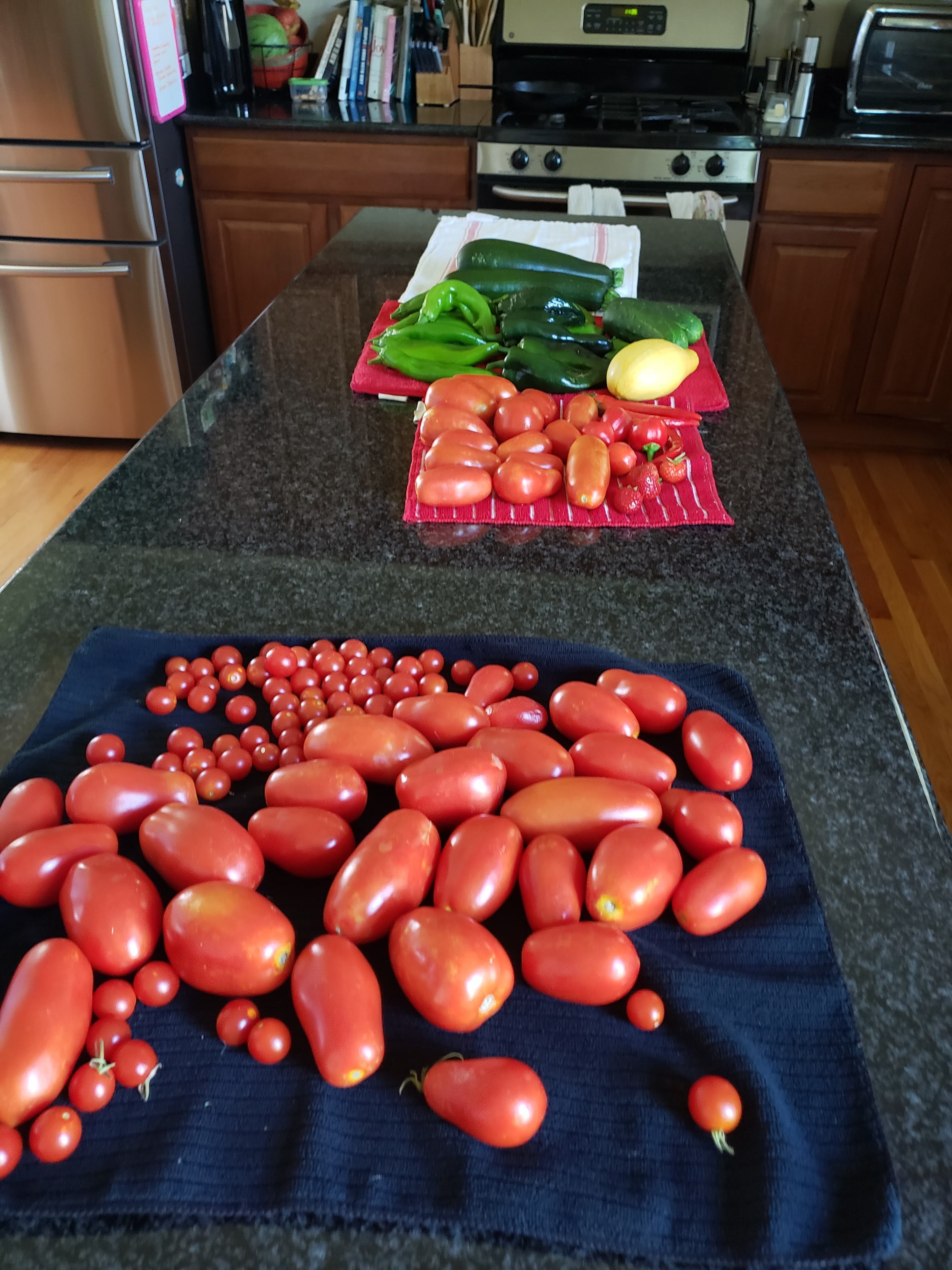
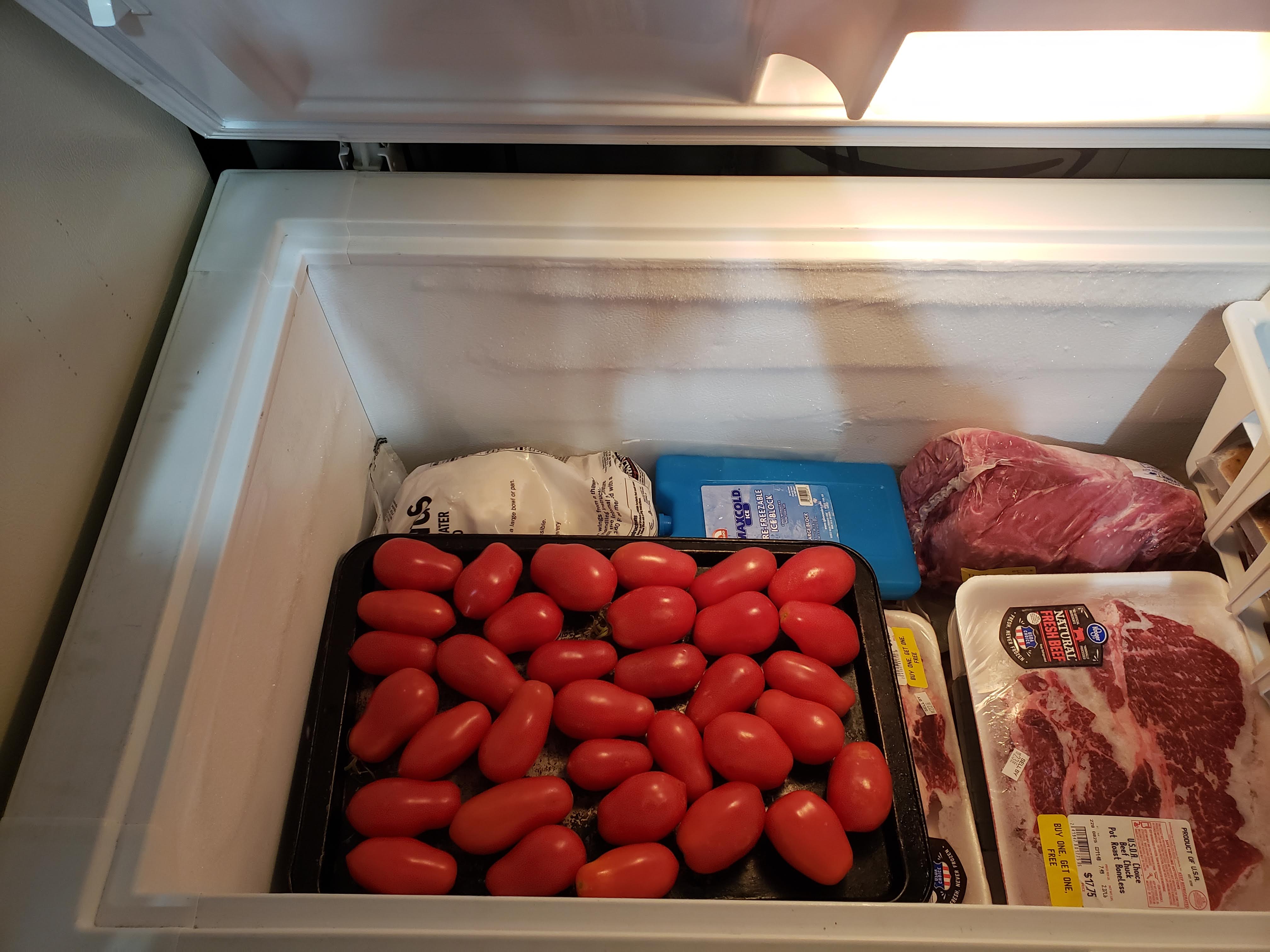
Since I plant Super Sweet 100s for my cherry tomatoes, we end up with zillions! I like to make a quick caprese salad by slicing them in half, throwing them in a bowl with mozzarella pearls, some ripped up basil leaves, and a drizzle of balsamic vinegar, and a dash of salt and pepper. Omigosh, yummy!!!

When we can’t use up our cherry tomatoes in salads and snacks, I use variations on a spectacularly easy recipe for sauce. Just last week I cooked up several cups of the “on the edge” cherries into a potential pizza sauce. The delicious result was far too sweet for pizza sauce, so I added some broth and onions and blended it, turning it into tomato soup, instead. The whole family loved it!! I can’t find the creator’s link anywhere, so I can’t share it, but simply Google “whole cherry tomato sauce recipes” or something similar, and you’ll get a zillion terrific options.

Carrots

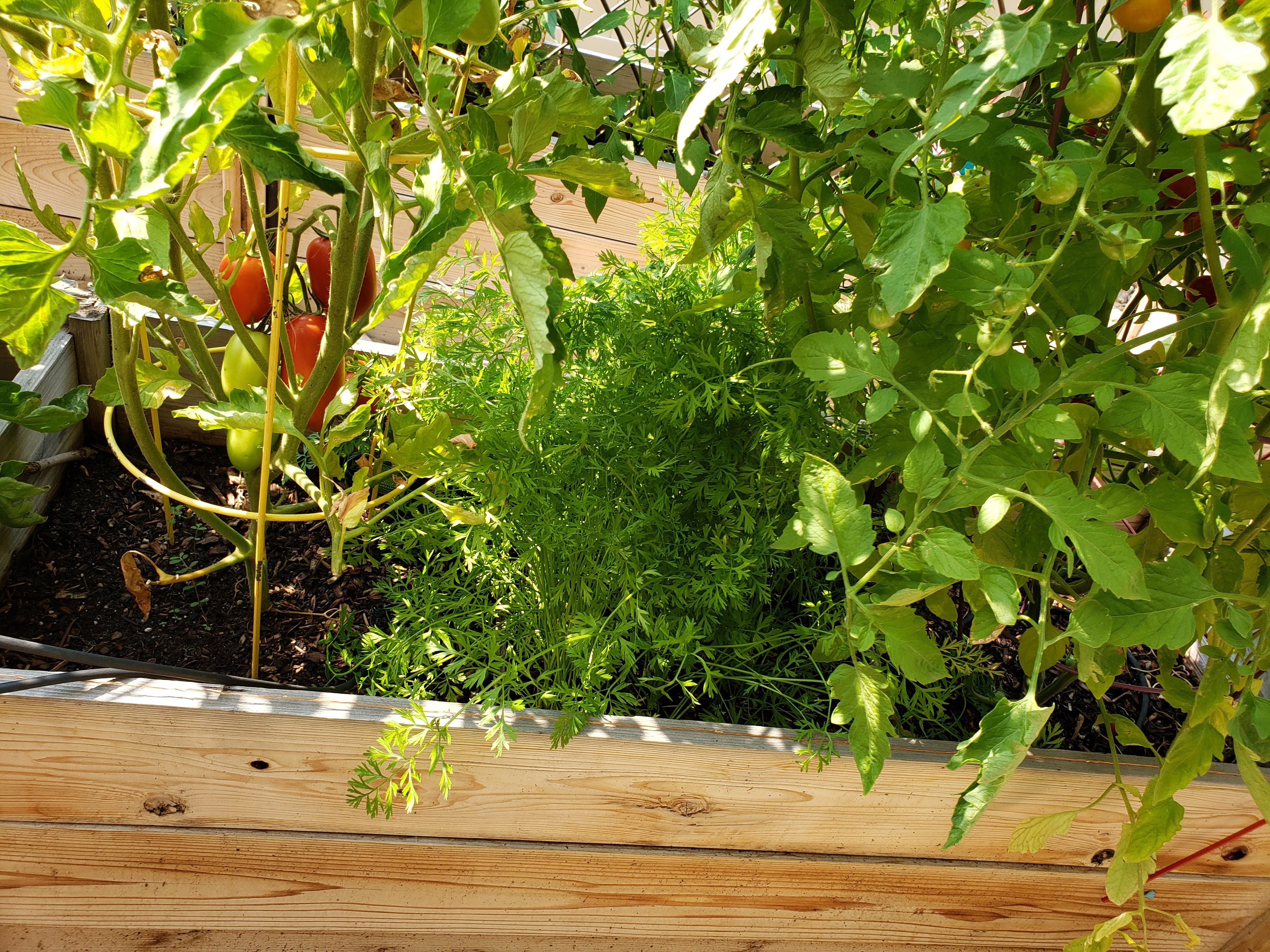
I don’t have much of a crop of carrots this year, mostly because I was very focused on my peppers and squash, but they’re so delicious and easy to grow. The best way to store them is to just leave them in ground. Carrots can last for ages after reaching maturity, even making it through frosts and light freezes. But once the time comes to pull them, I’ve found the best storage solution is to place them in a regular lidded plastic storage container and fill it with water. Change out the water occasionally to keep them fresh. This method will keep carrots crisp and fresh for weeks!

Storing Everything Else

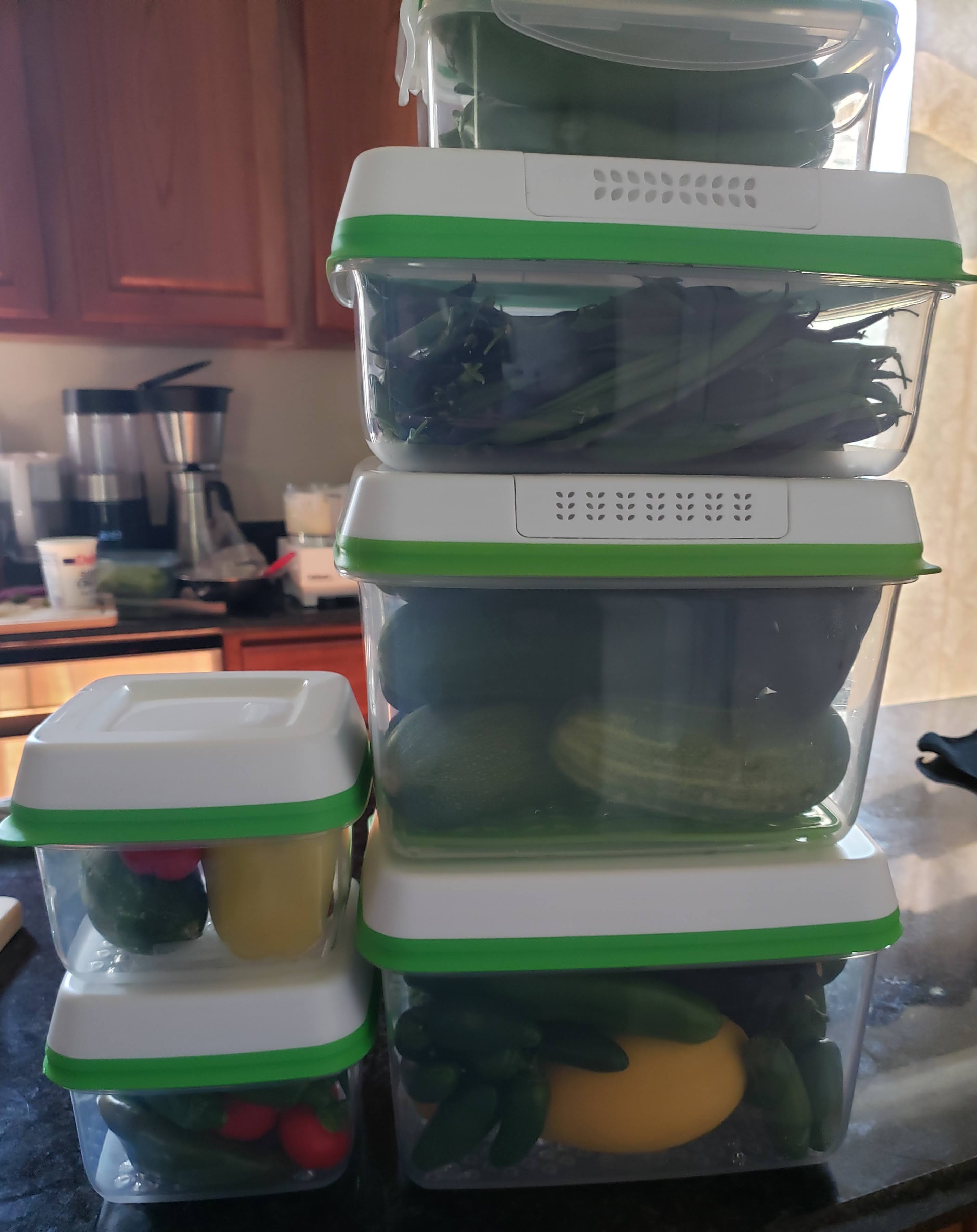
For the rest of my harvest, after years of trial and error, I’ve settled on Rubbermaid FreshWorks containers as my go-to for produce storage.
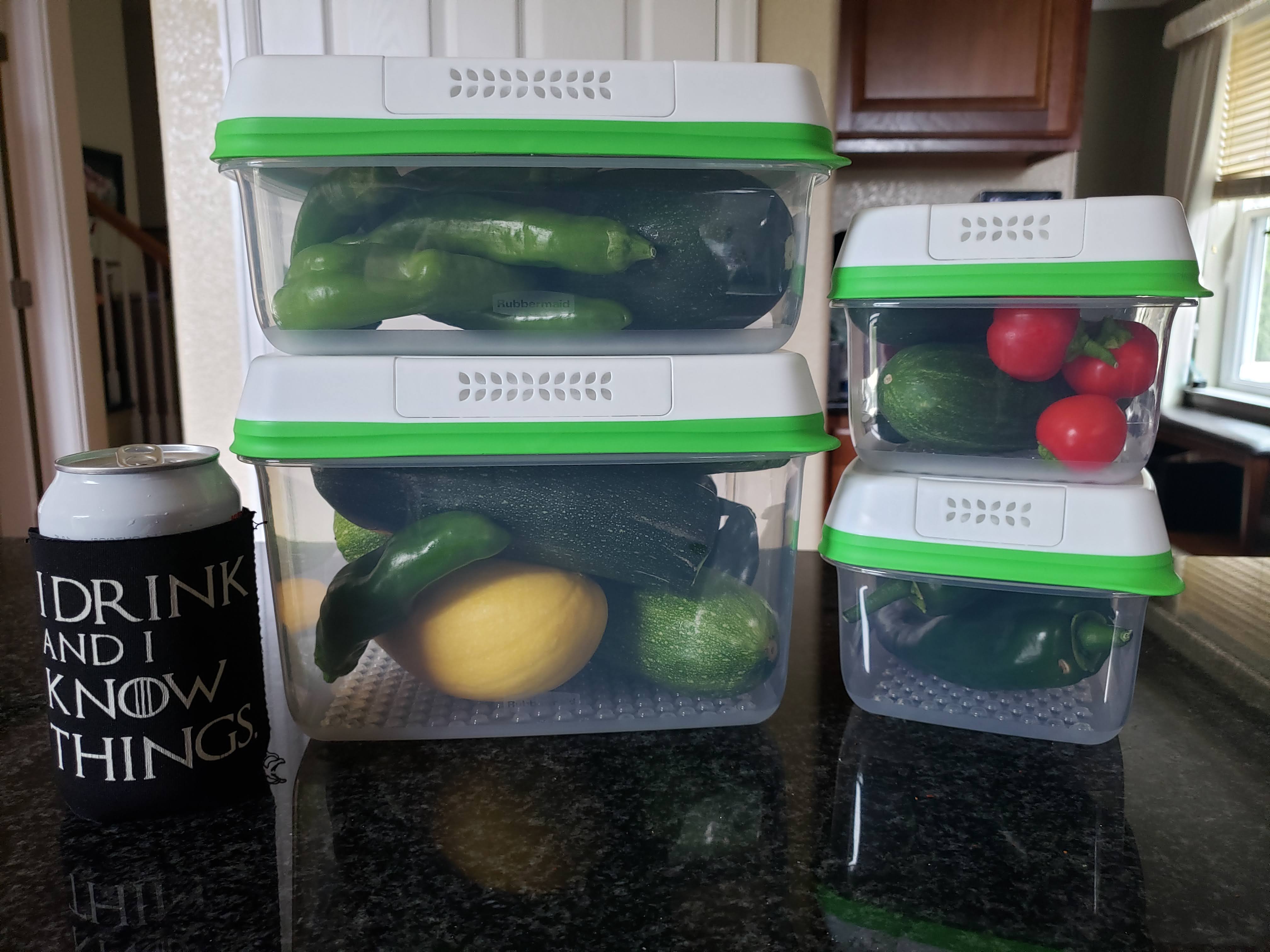
I have several other older models as well, the ones with the little green tray on the bottom, but they all perform spectacularly!! I can keep zukes and squash in these for weeks on end, and they’re equally as good for the green beans, peppers. They are even great for cucumbers and berries, although they just don’t last as long as the rest, regardless of storage container.

These containers are a little pricey compared to a standard storage container, but they are well worth it. I look for end-of-summer sales at my local grocery or big box store, and Amazon does specials sometimes, too.
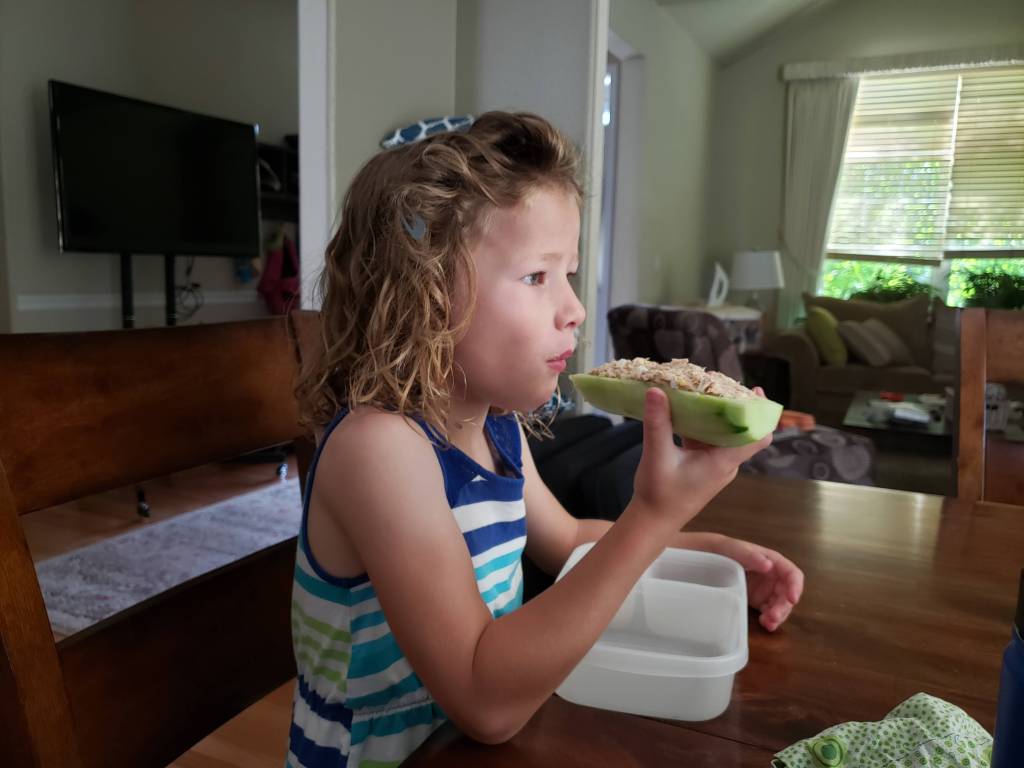
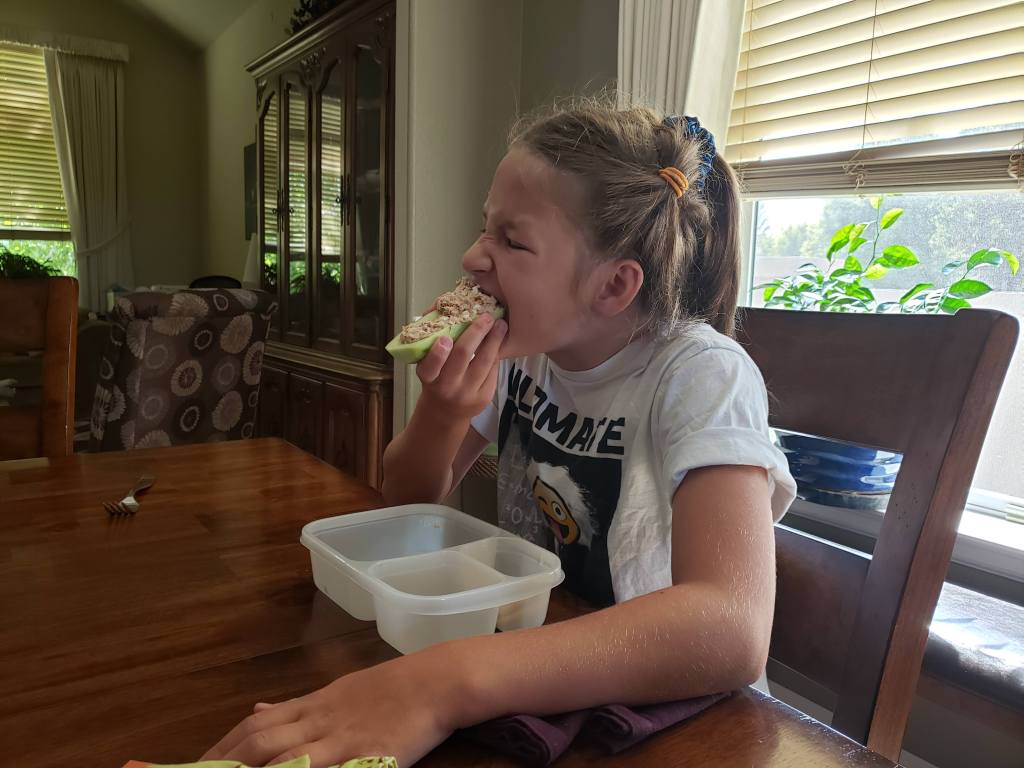
When I have too many cucumbers to save, another great trick to use them up is to make cucumber boats! My kids love tuna salad cucumber boats. I even send them in their school lunches! Simply skin and halve a cuke lengthwise, scoop out the seeds to make a cuke canoe, then whip up some easy tuna salad and load it into the boat! I’m certain this would work for all kinds of yummy fillings!
Pesticles Part 4: Caterpillars and Snails

Sonofabitch!! Why do so many of my posts start like this? Because every time I stamp out a pesticle problem in my garden, a new one crops up! (See what I did there? “Crops up” Ha ha ha)

It’s immensely frustrating spending so much of my garden time removing or killing pesticles. I want to nature bathe in the lush green leaves, plump vegetables, and colorific flowers of my garden. But noooooo, instead, I get to be the Orkin guy.

This week’s pesticle du jour are caterpillars.

I used to like caterpillars when I was a kid; cute and sometimes furry, with pretty colors and fun designs. Harmless and tickly crawling around on your hand. As an adult, I have grown an appreciation for some of the moths that they turn in to. But in the garden, these things are a menace.

This year I had my first exposure to Tomato Fucking Hornworms (finding a third one early last week). See my post Pesticles Part 3: Tomato Fucking Hornworms for great pics and creative namecalling for those shitbiscuits.

I’ve mostly posted about my veggie garden, but I love flowers, too. I’ve been growing my own petunias from seed for hanging baskets for a few years, although this year I traded those in for nasturtiums, with minimal success. Look for another future post about that.

Point is, out in front of my house I have loads of petalful beauty, and they seem to fare as well as my veggie garden. In other words: pesticles.

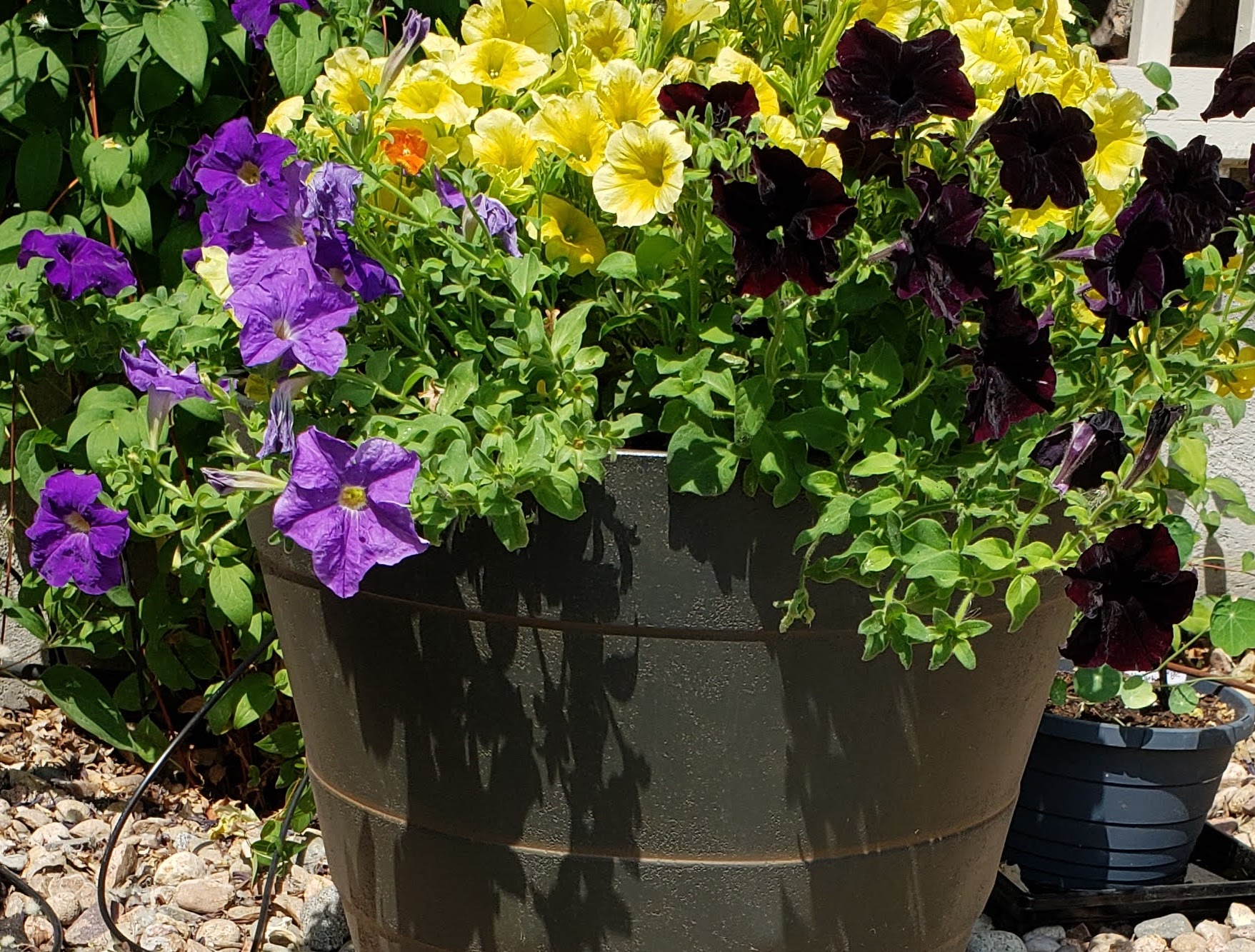
This year’s petunias exist in a giant barrel tub with some pansies, and they’ve been pretty spectacular:

Since I took the above pic in July, the black petunias have taken over the basket, especially after the yellow ones started dying off and I pulled them out without diagnosing or treating them, except for Neem oil.

So now at the end of summer, the beautiful black petunias are owning the barrel, all bushy and huge and beautiful. However, when I returned from an overnight trip recently, and got a good look at this front barrel when I pulled up the driveway, I discovered that all of a sudden, they look like shit!

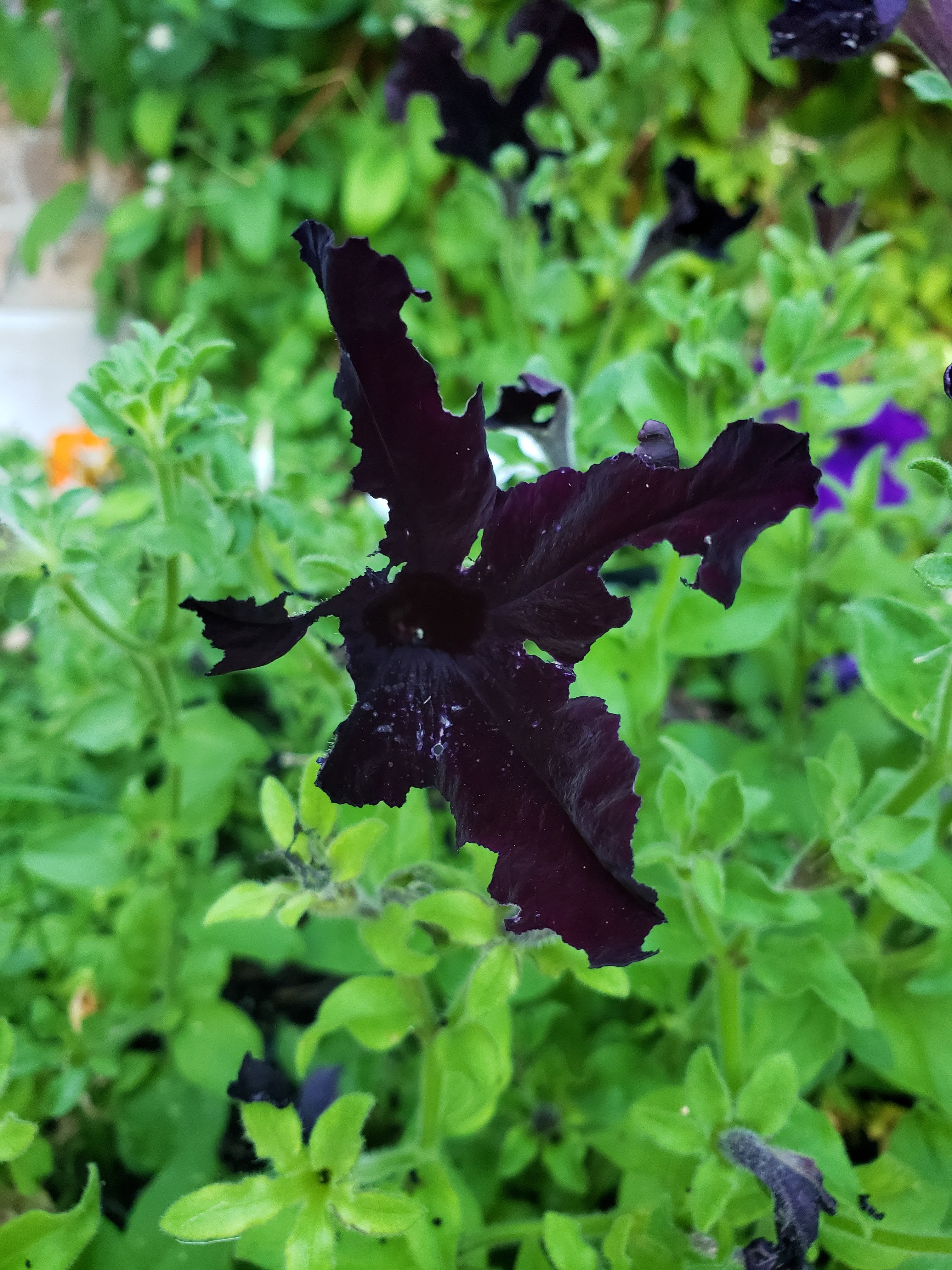
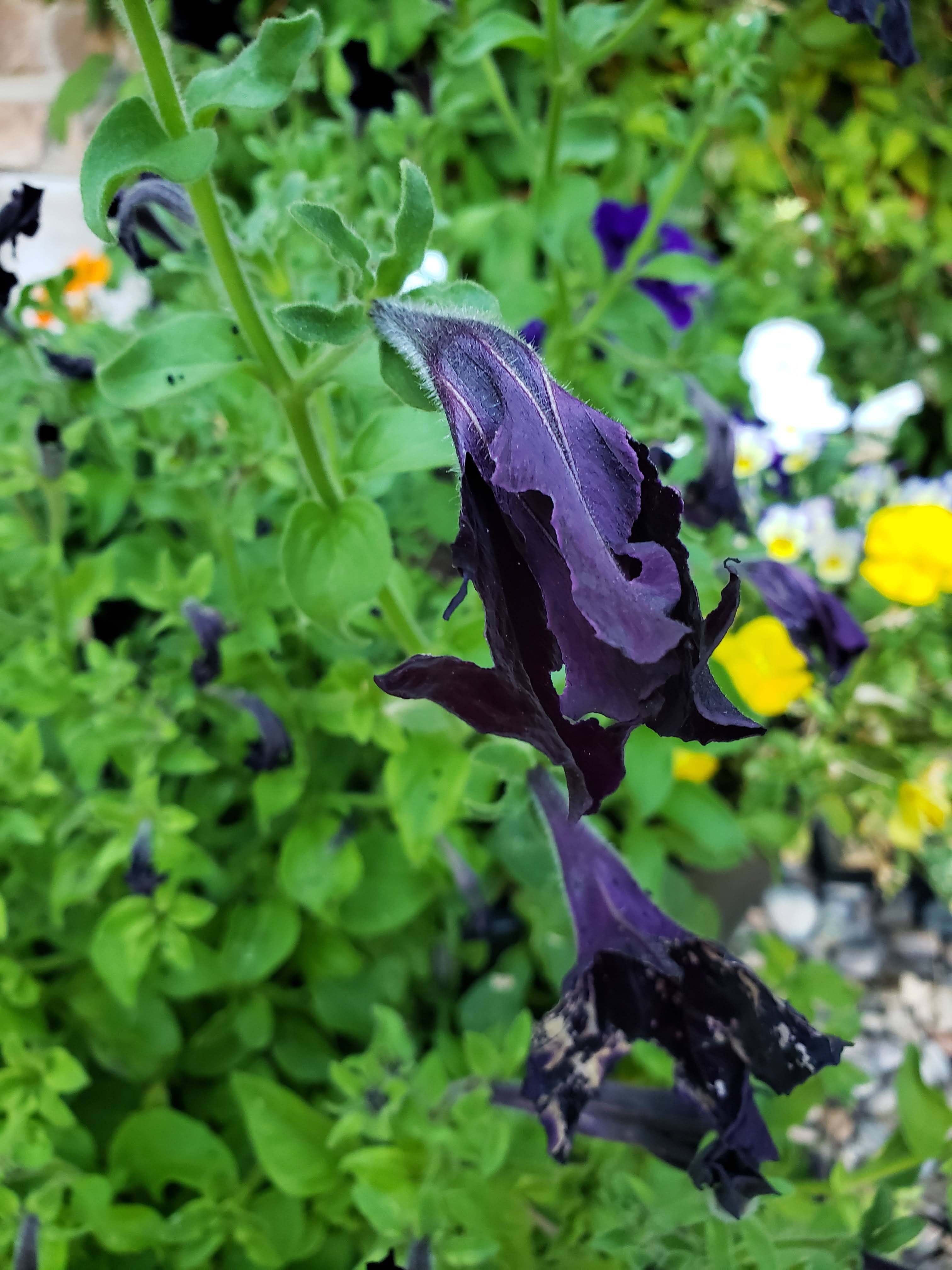
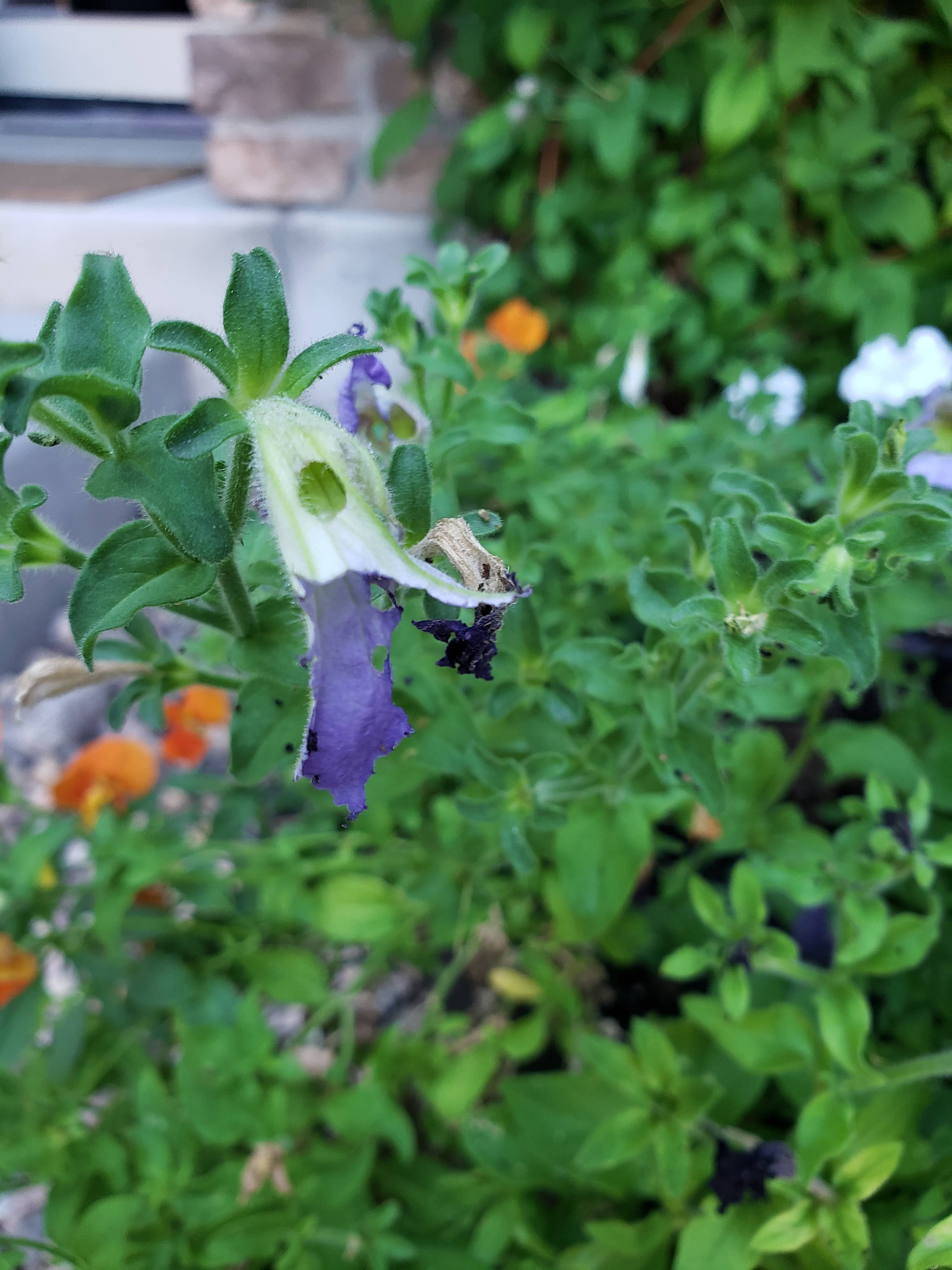
A closer look at the blooms revealed:

Obviously something is eating my black beauties. And the purple ones, too. My first thought was Japanese Fucking Beetles – because they are black holes of garden doom – so I spent some time trying to find one still munching, and confirm my hypothesis.

None. No crunching beetles. A couple of the vines near the back had some aphid and spider mite activity, but nothing a little Neem won’t clear out, and definitely nothing that can tear through three inch diameter blossoms like this.

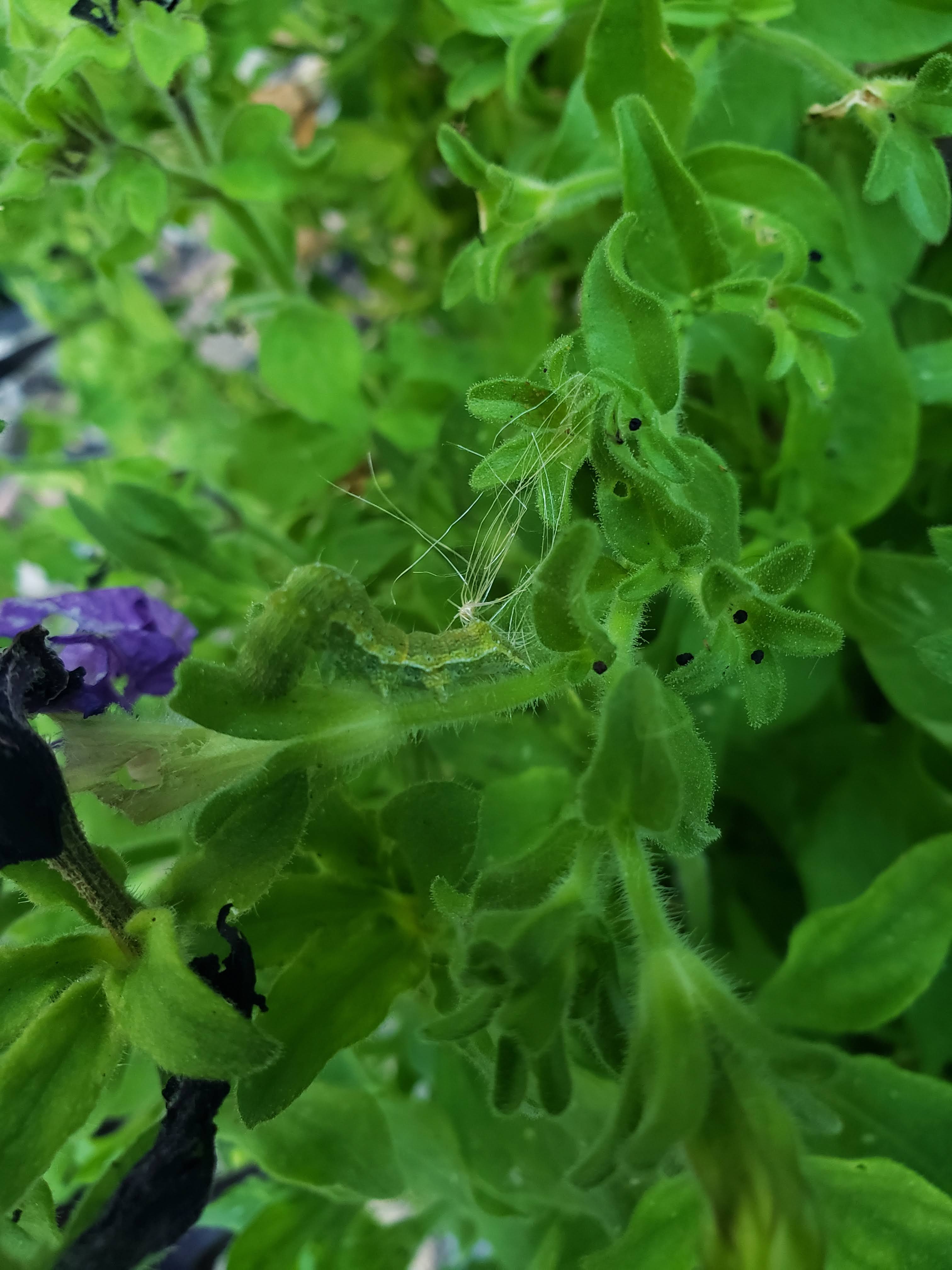
It took me quite a while, because the shitsquirts in question are well camoflauged.

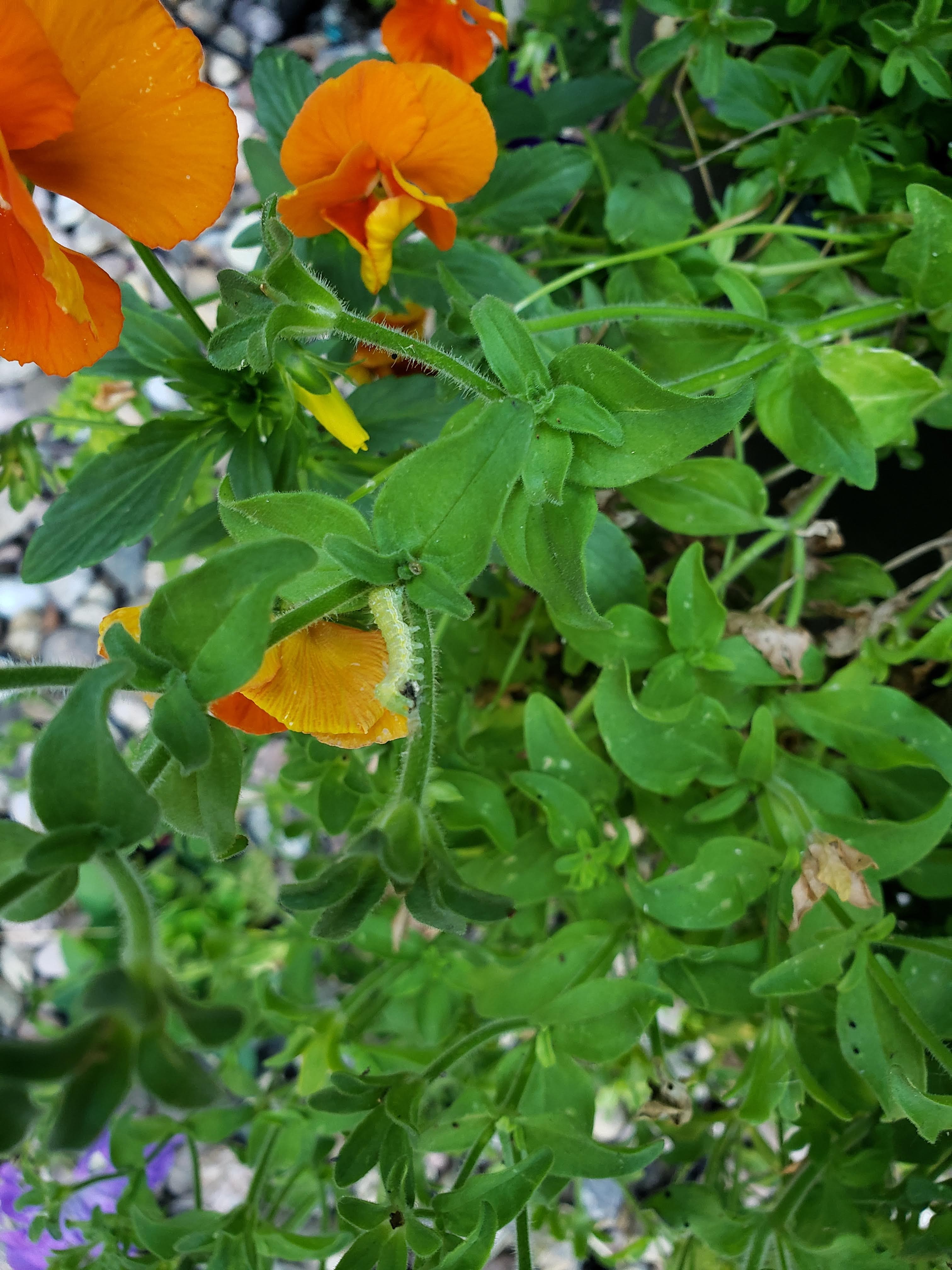
Caterpillars. At least seven of them on the day I took these pics, and then I’ve found a few more since then. They blend right in with the branches, and so have been hiding in plain sight for days or weeks. I should have noticed the caterpillar shit sooner (it’s the little black spots all over the leaves), but the seed pods also release tiny black seeds onto the leaves sometimes, and at a glance, that’s what I thought I had been seeing.

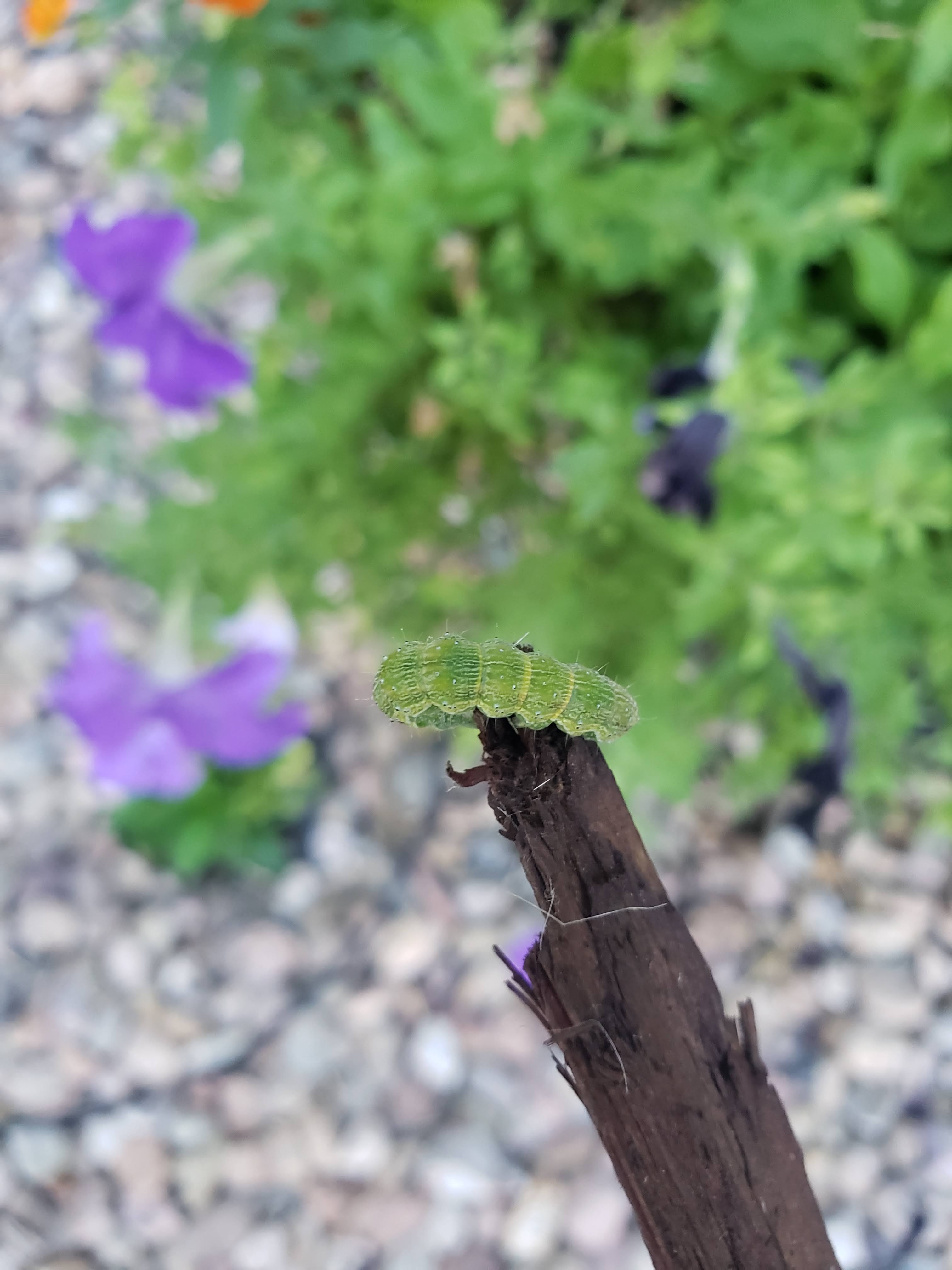
Fucking gross. Caterpillar shit all over everything, and a long scavenger hunt to find the little camoflauged fucktrumpets. I don’t know what kind they are, and I don’t care. There were multiple sizes from less than an inch to about three inches long; and multiple colors from light yellow to dark green. No fancy designs or colors, though.

I hate using nasty pesticides in the garden if I can avoid it, so I went right to the obvious and immediate fix. I grabbed a stick and pulled off every one of the assbaskets I could find. I threw them far out onto the concrete driveway so that they will never be able to make the long trek back to the flower barrel, and so that the birds, sunshine, and extreme heat get to be the executioners instead of me.

I went back out the next day and pulled a few more. I haven’t seen a nest anywhere, but read that there is probably one in the trees, and that I could puncture and then scrape out the nest, too, to prevent more. Uggg. That’s the stuff of nightmares. I admit, I’m not actively looking for the nest.

The good news is that I seem to have gotten most or all of them, because since then, I’ve only found one more tiny caterpillar, and no more decimated flowers. Woohoo!!

Snails

I live in Colorado, on the Front Range near Denver. It’s DRY here. All year long. Growing up on the east coast of the U.S., we always thought Colorado = Snow. And since snow is made of water…but no. The snow and any other moisture is in the mountains, but most of the population centers are not, and that includes the Denver metro area. Rain here is rare and fast. Humidity sits around 10% most of the time.

The reason I mention this is that the last thing I expect to see in my dry-ass count-every-drip-and-minute-of-irrigation garden is SNAILS.

In moist humid parts of the country snails are pretty common. They were sliming all over the front windows of my sister’s home in Texas when I visited a few weeks ago, and all over the sidewalks of our resort in Newport Beach, CA when we visited a few years ago. But here in Mordor Denver, I have never seen one in the wild.

Until this week.

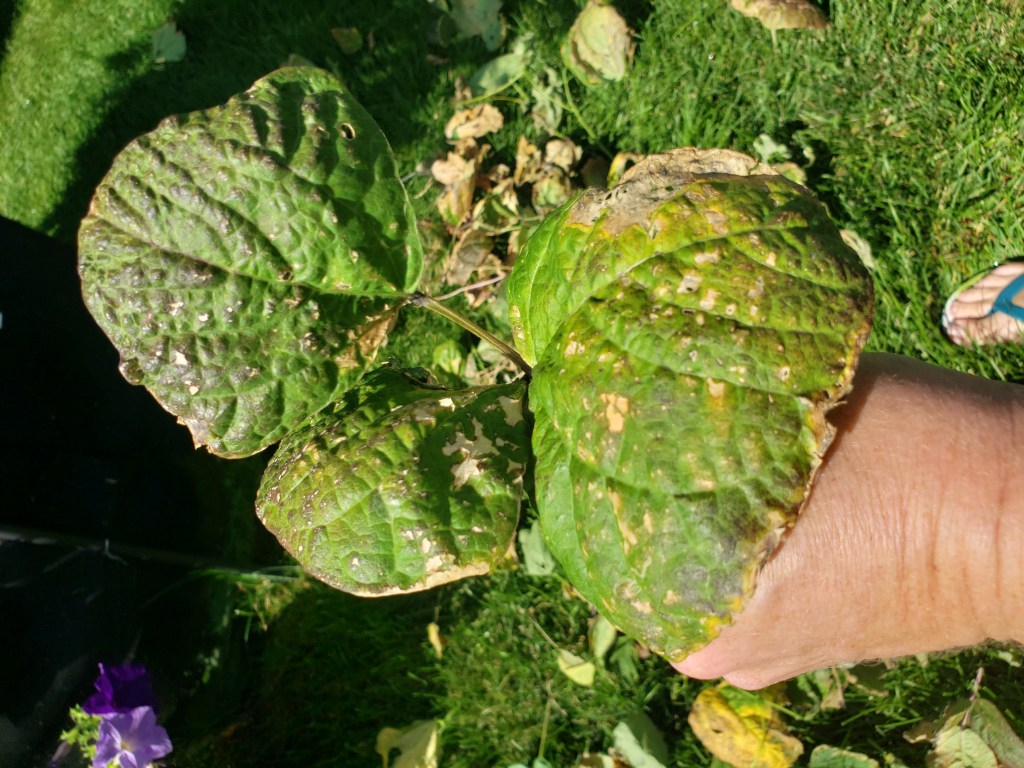
I’ve been trying to solve the mystery of my dying pole beans for a while, you can read more about that in my post The Potatoes are Dead, Long Live the Beans! . However, I’ve been unable to accurately diagnose and treat the problem, probably because there’s more than one problem. There’s been the Japanese Fucking Beetles, the slugs that ate the first sprouts and have been hanging around the soil under the mature beans, cucumber beetles, nutritional issues, and more recently, some small flying things that I can never actually see because they buzz off whenever I approach.
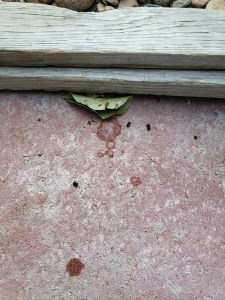
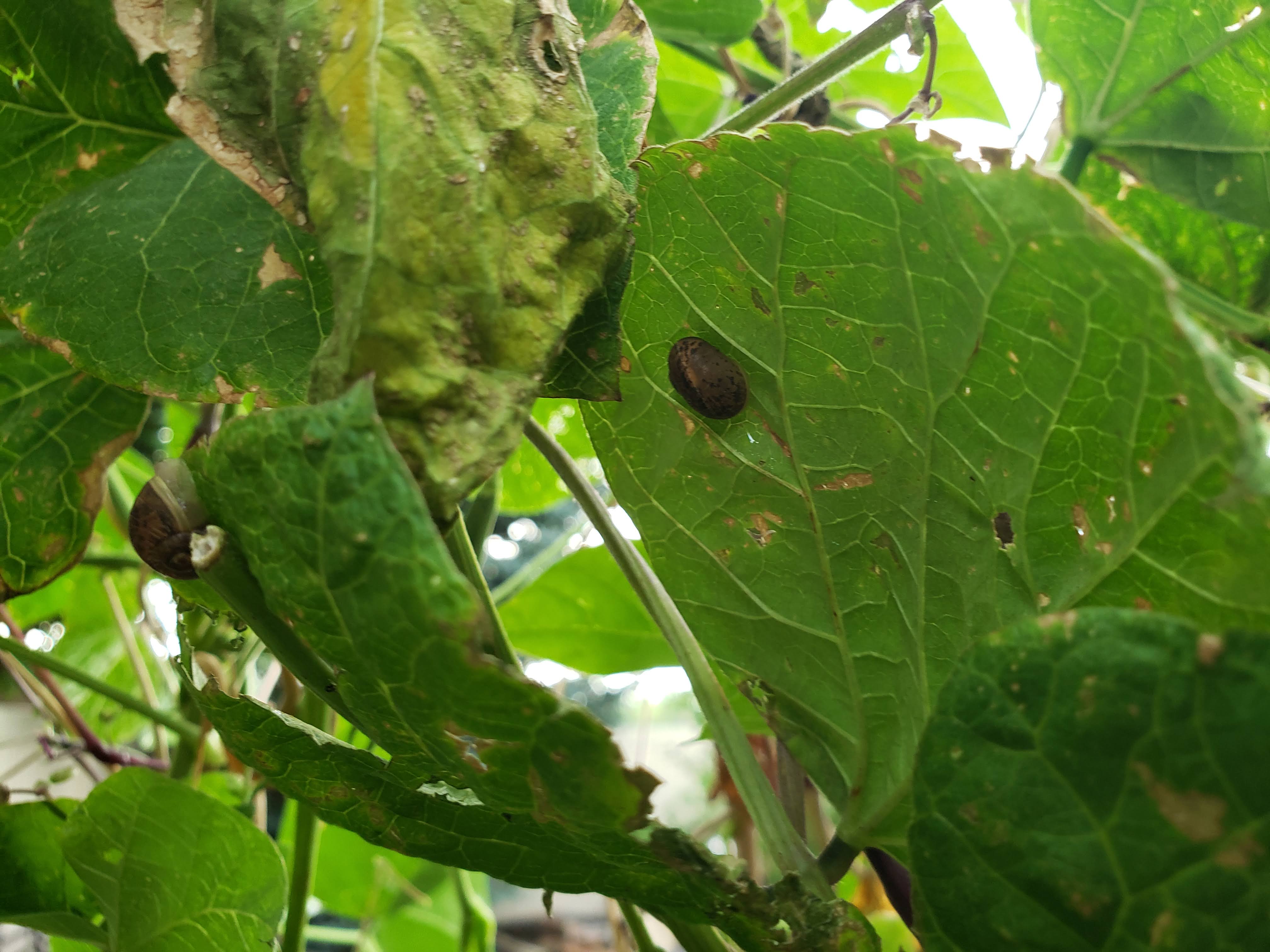
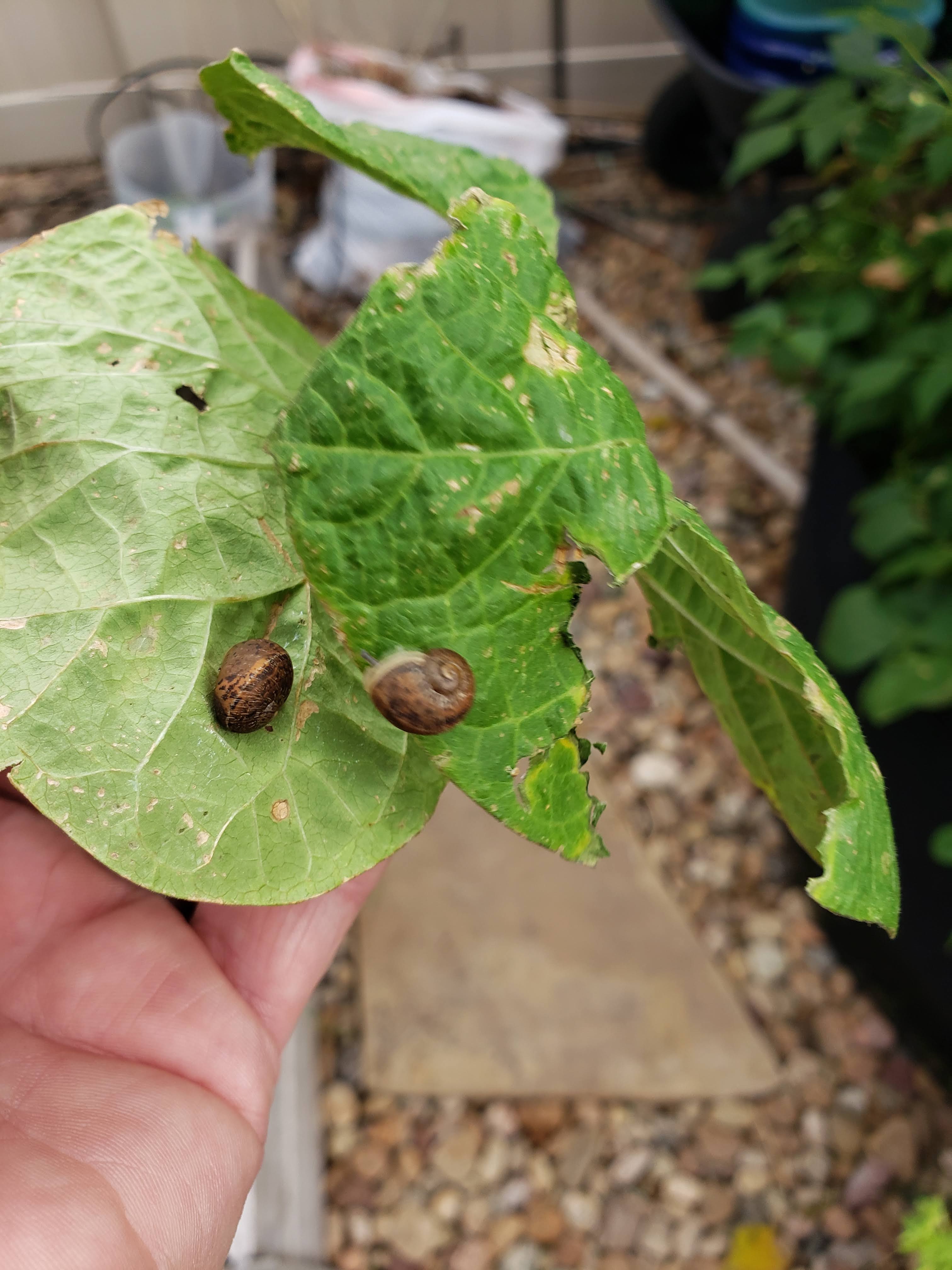
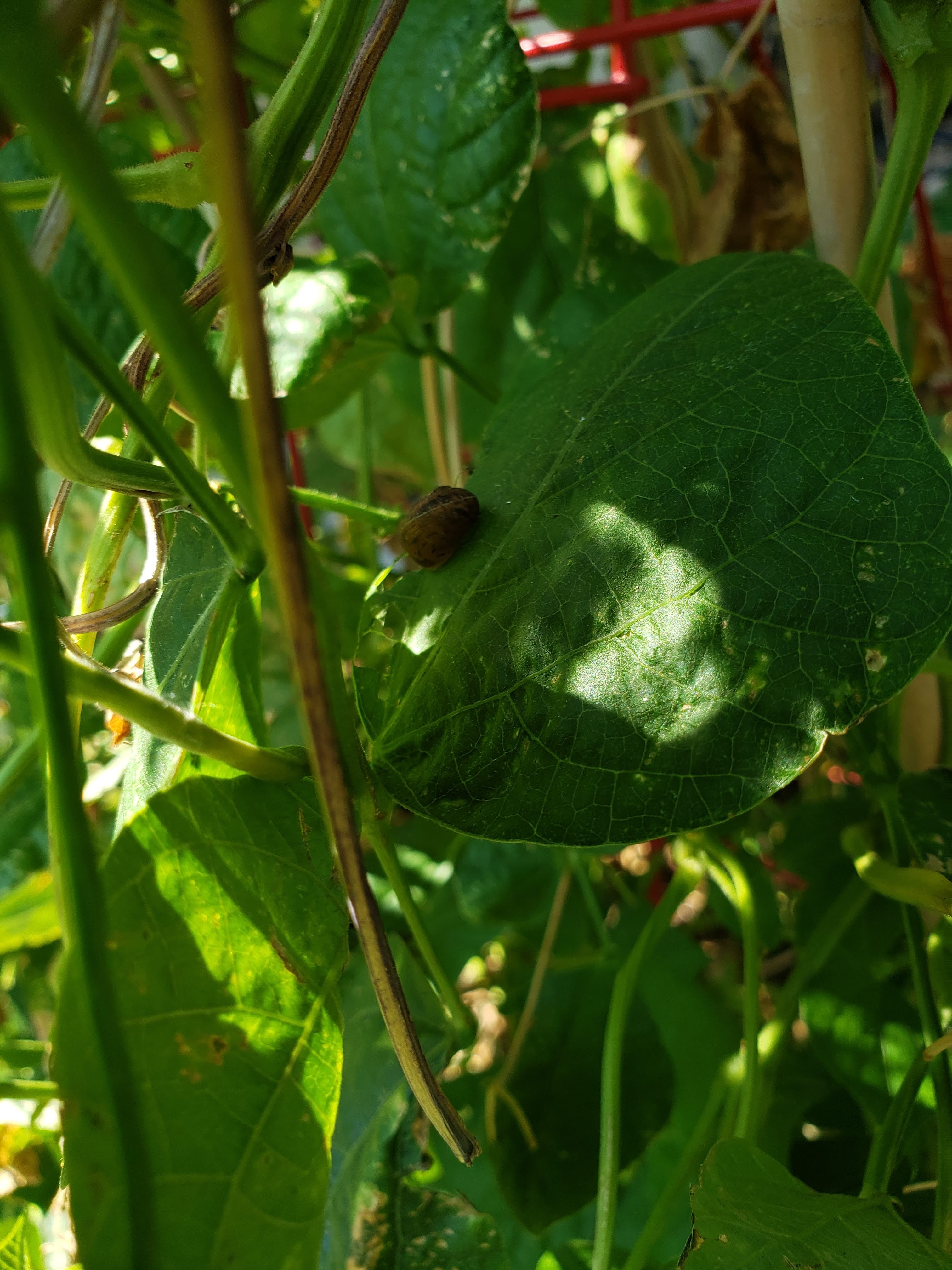
But when investigating one of the tell tale dark spots on a bean leaf I found these:

Goddamsonofafuckingbitch!!! Seriously, is there any ass-sneezing fucktarding pesticle I haven’t had this year? No wait, don’t answer that, you know it will be predictive.
I didn’t even bother to look up what to do. I’m tired and grossed out, and the season’s almost over anyway. Instead, I plucked off the leaves that had these doucheweasels, and threw it over the fence. [For the record, “over the fence” is either the green space next to a four-lane major thoroughfare in front of a pond, or the green space right next to a sidewalk adjacent to a main neighborhood street. I am NOT tossing them into someone else’s yard, in case you were wondering.] I know, I did the same with the hornworms, so am I really solving the problem? No, prolly not, but they won’t be back in MY garden this year, and I don’t want to kill them. Caterpillars are jelly-filled and gooey, I’m not going to squash or poison them and then have to scrape up their slimey remains. Barf! And you know what kind of sound a snail will make if you squash them; my tummy is turning and my face grimacing at just the thought. Plus, they’re gooey inside, too, so it’s like crunchy caterpillars. Ewwww!! At least my “over the fence” method gives them a fighting chance at survival, and I’ll be able to keep down my breakfast AND sleep tonight.

So there you have it, another problem solved! (It’s okay if you’re laughing because that was a ridiculous statement, but we tell ourselves what we need to hear to get by, and I’m laughing, too. More of a sardonic or sarcastic laugh, but still.)

But WAIT! There’s MORE!

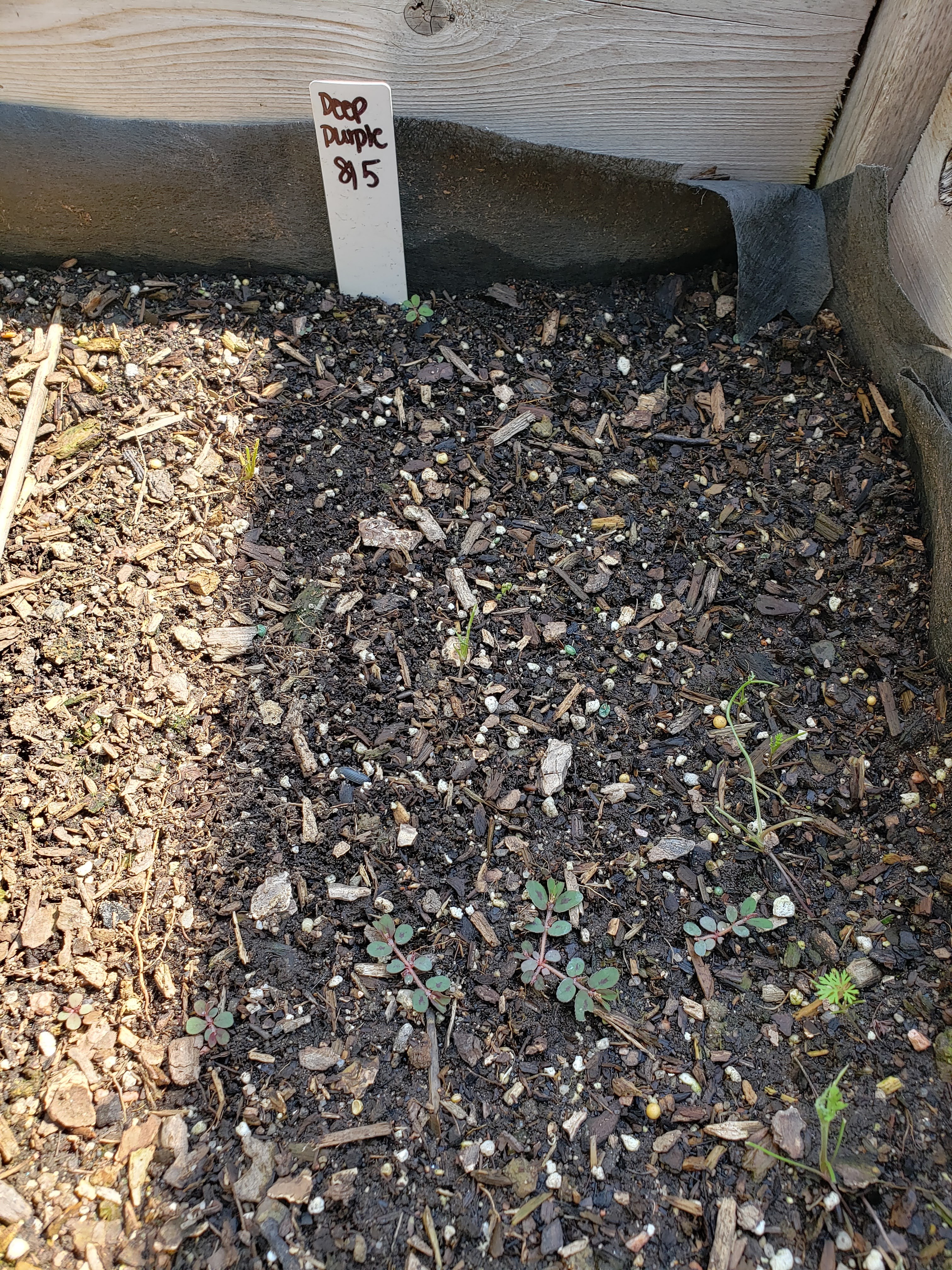
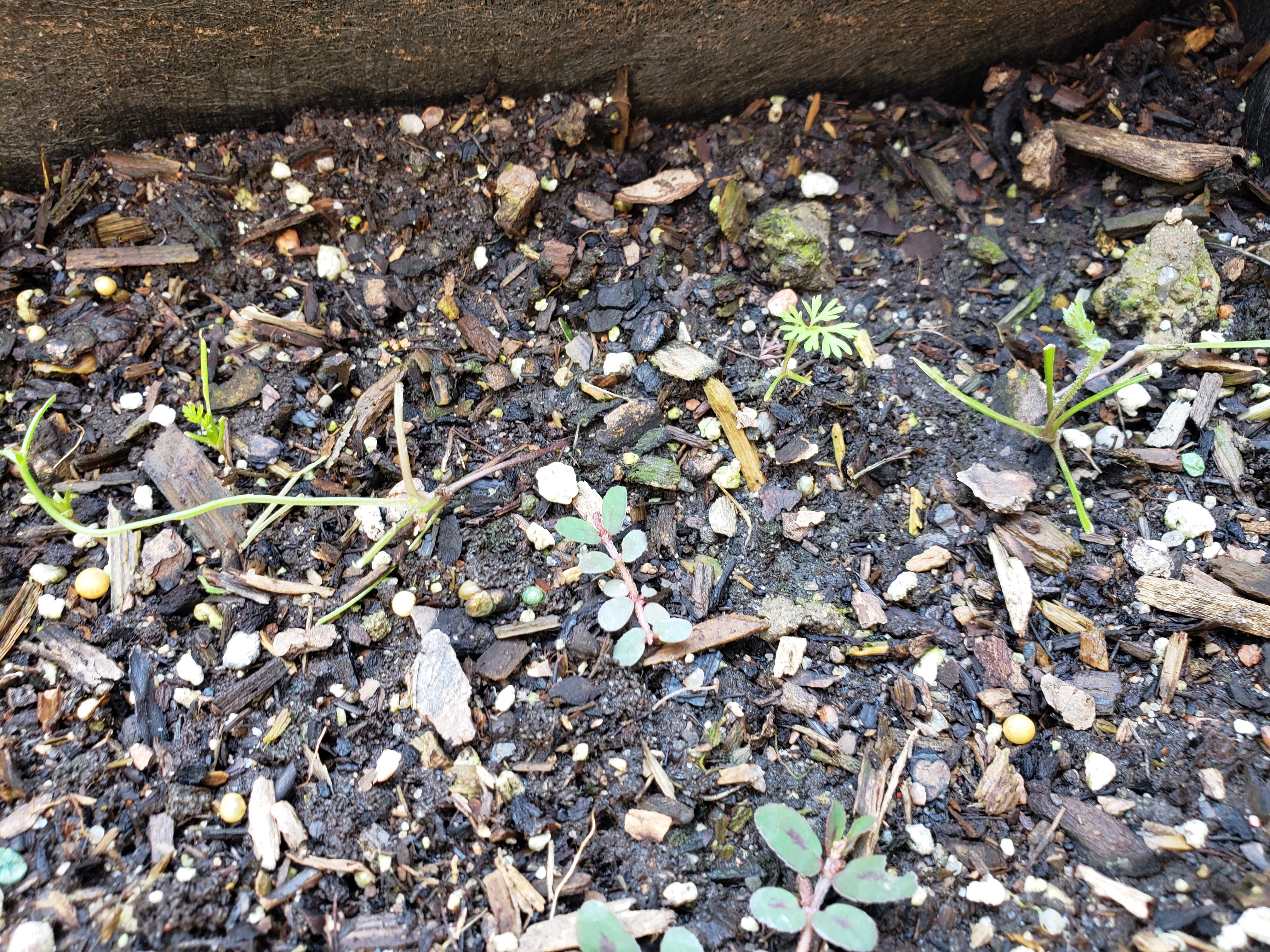
I’ve been excitedly waiting for my autumn Deep Purple carrots to sprout, since I planted them the first week in August. They should definitely have come up by now, and have an inch or two of new growth. Noticing that the little carrot square is still nearly empty, I decided to deepen my investigation.

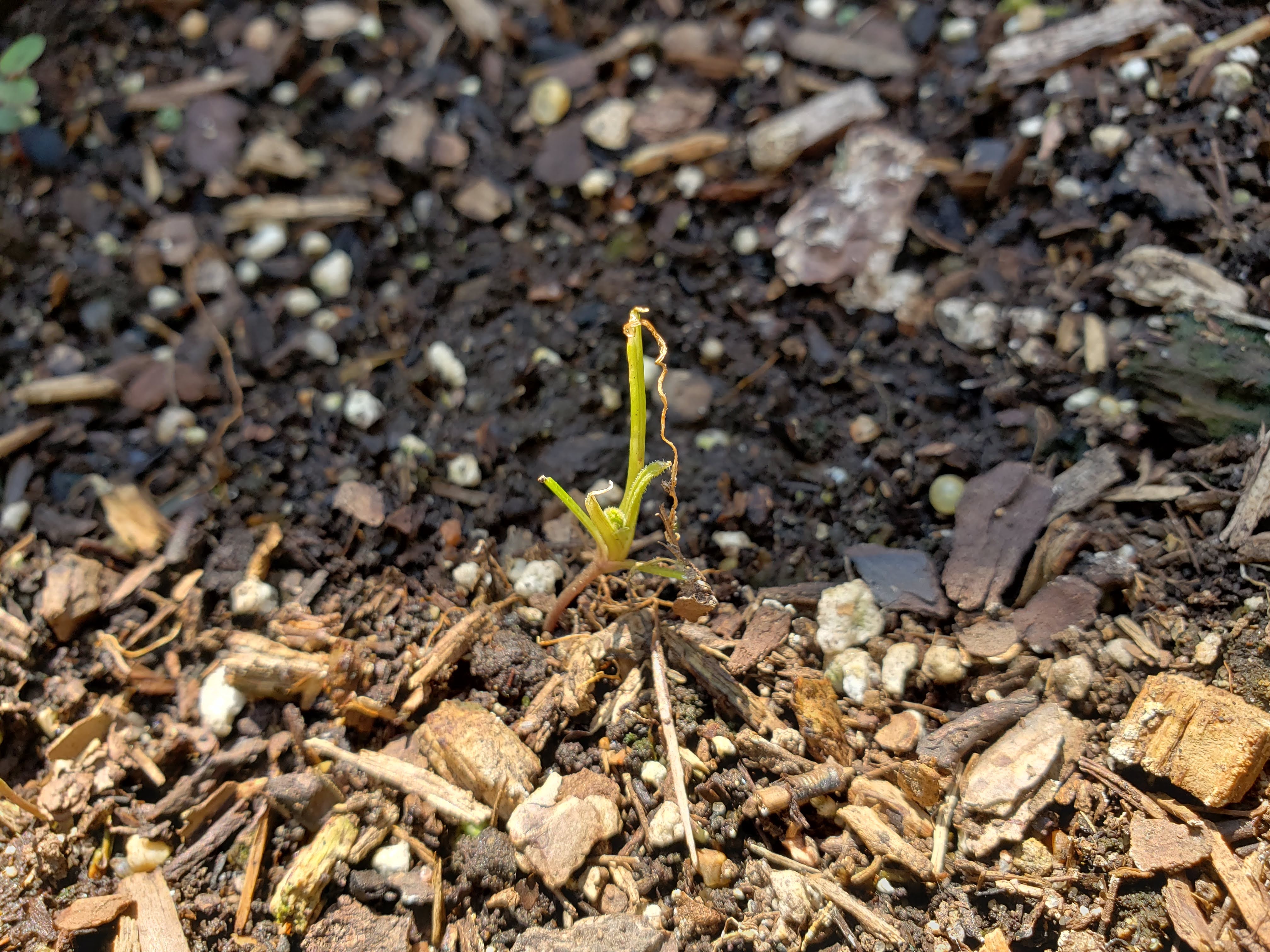
Upon closer inspection, I can see what is happening here, and why I do not have carrots growing. The little sprouts have no leaves. Gee, I wonder who did that? I don’t see the tell-tale slime trails of slugs, my first best guess. Is it the grasshoppers? Some other critter I don’t know about yet?

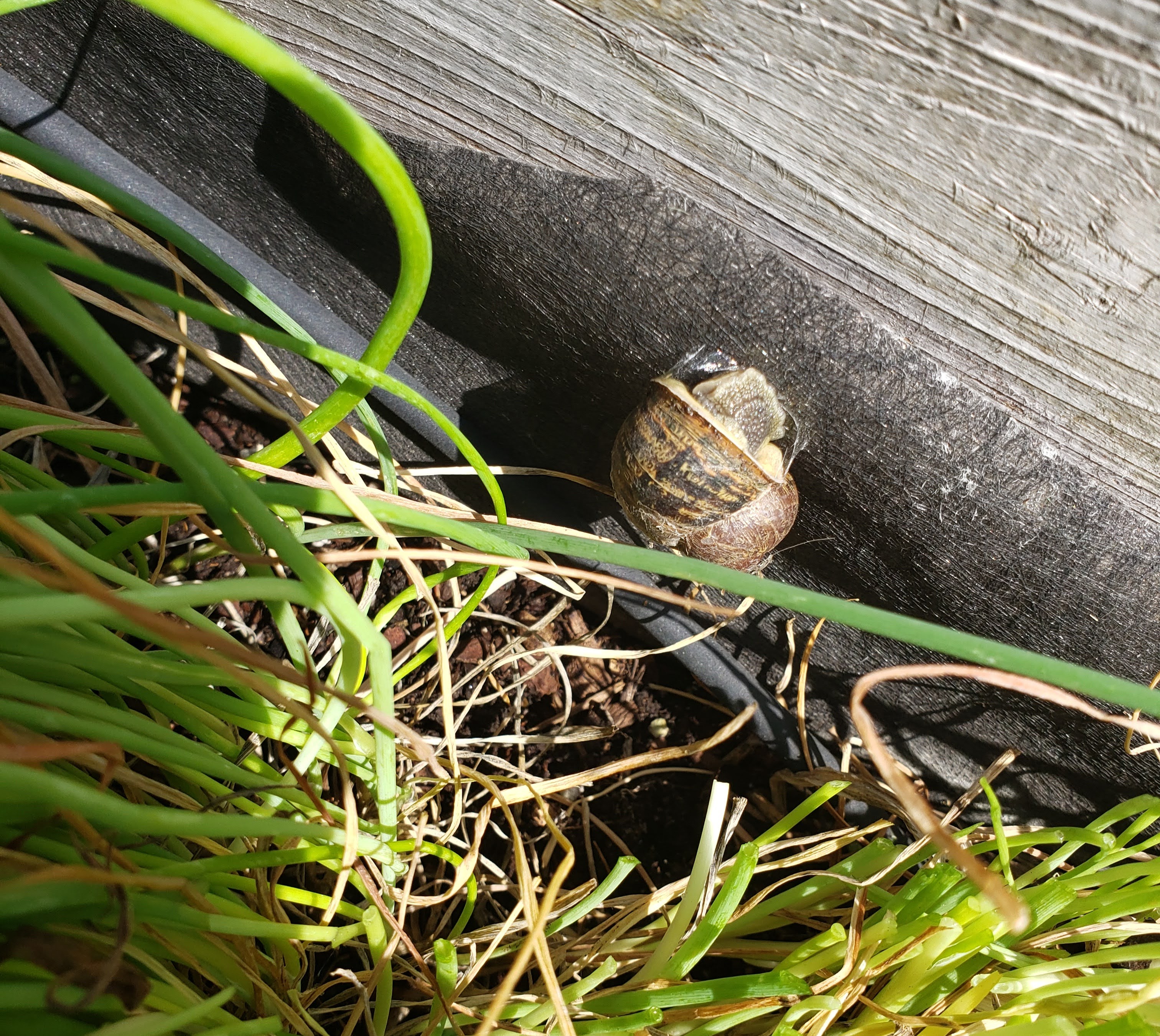
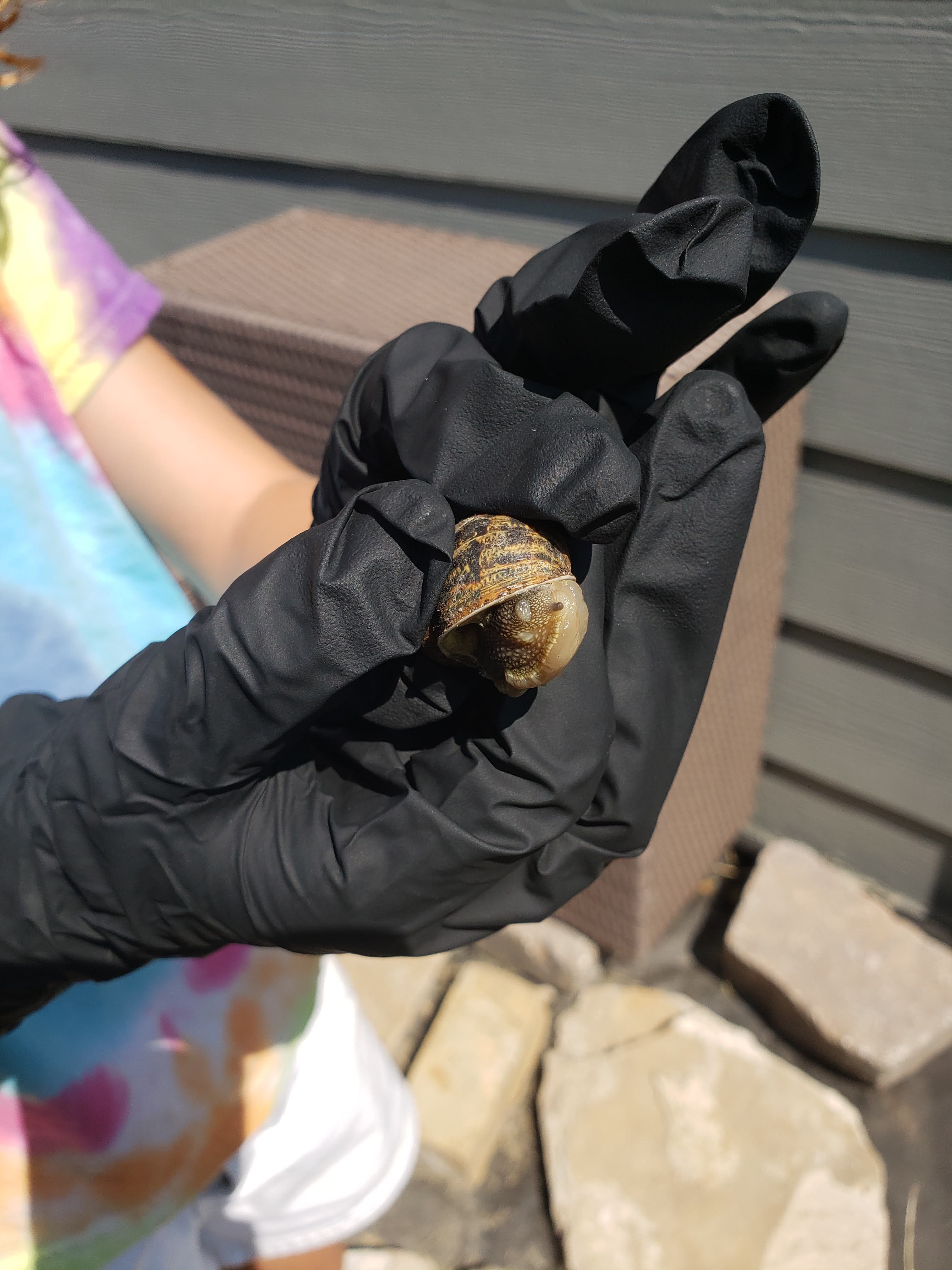
Just then, my husband came out to cut some chives and rosemary, the residents of the squares next to the carrots. I cut away a large swath of the chives, and whaddaya know, look at the douchecanoe I found hiding:

Are you fucking kidding me right now?

Unbelievable. This thing is gi-fucking-gantic. Seriously, it’s huge. And of course it’s huge. It’s been dining on chives and baby carrots to its’ heart’s content, hiding away in the dark spots during the day while avoiding my semi-heartless investigations.

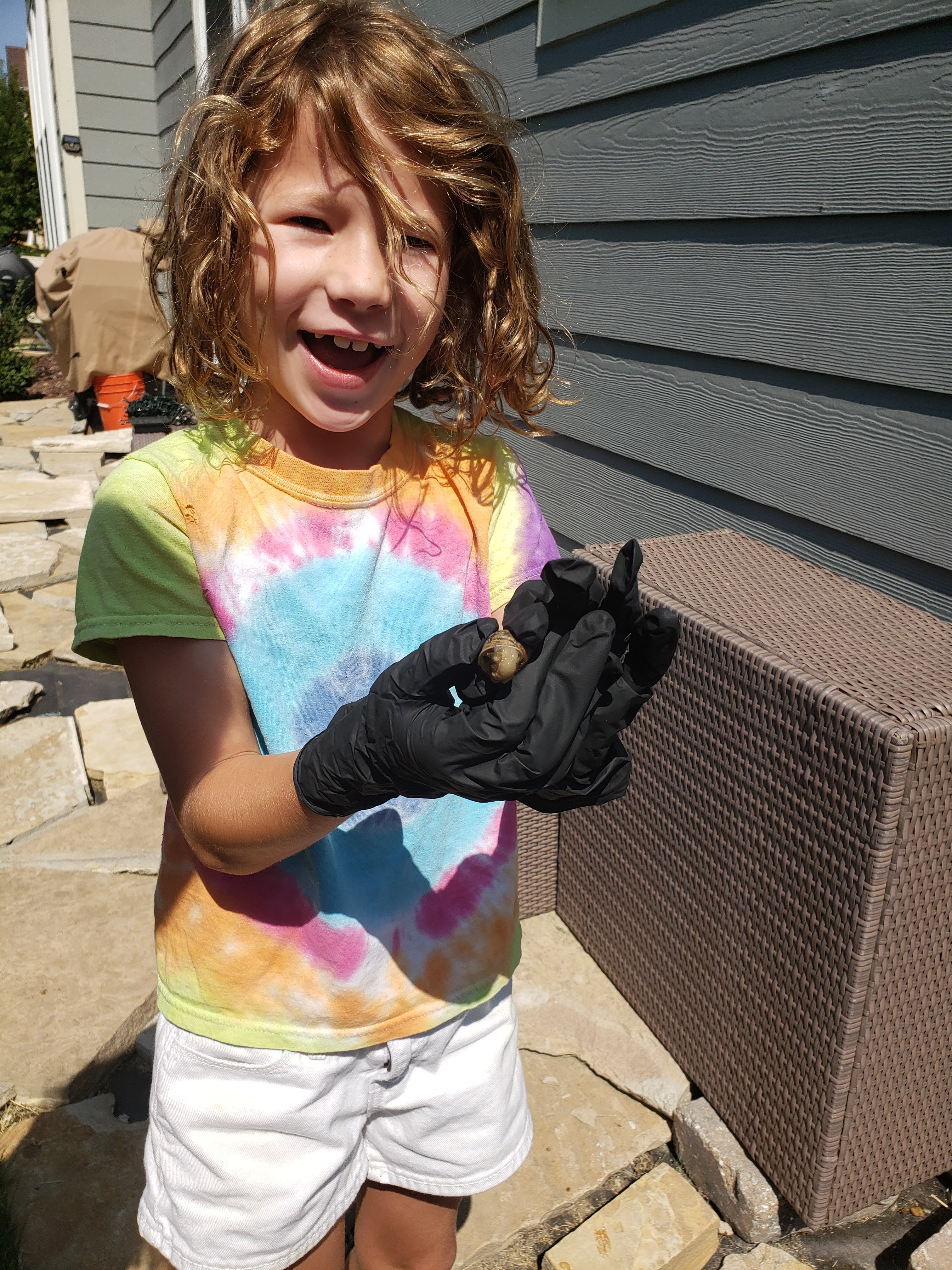
This cockbucket is so big that there was only one person to call for help: my 8 year old resident entomologist. She was happy to step into the role of malacologist (a person who studies slugs and snails) for this emergency.

With her trusty protective gloves, my little Mighty Mouse came to save the day:

The Potatoes are Dead. Long Live the Beans!

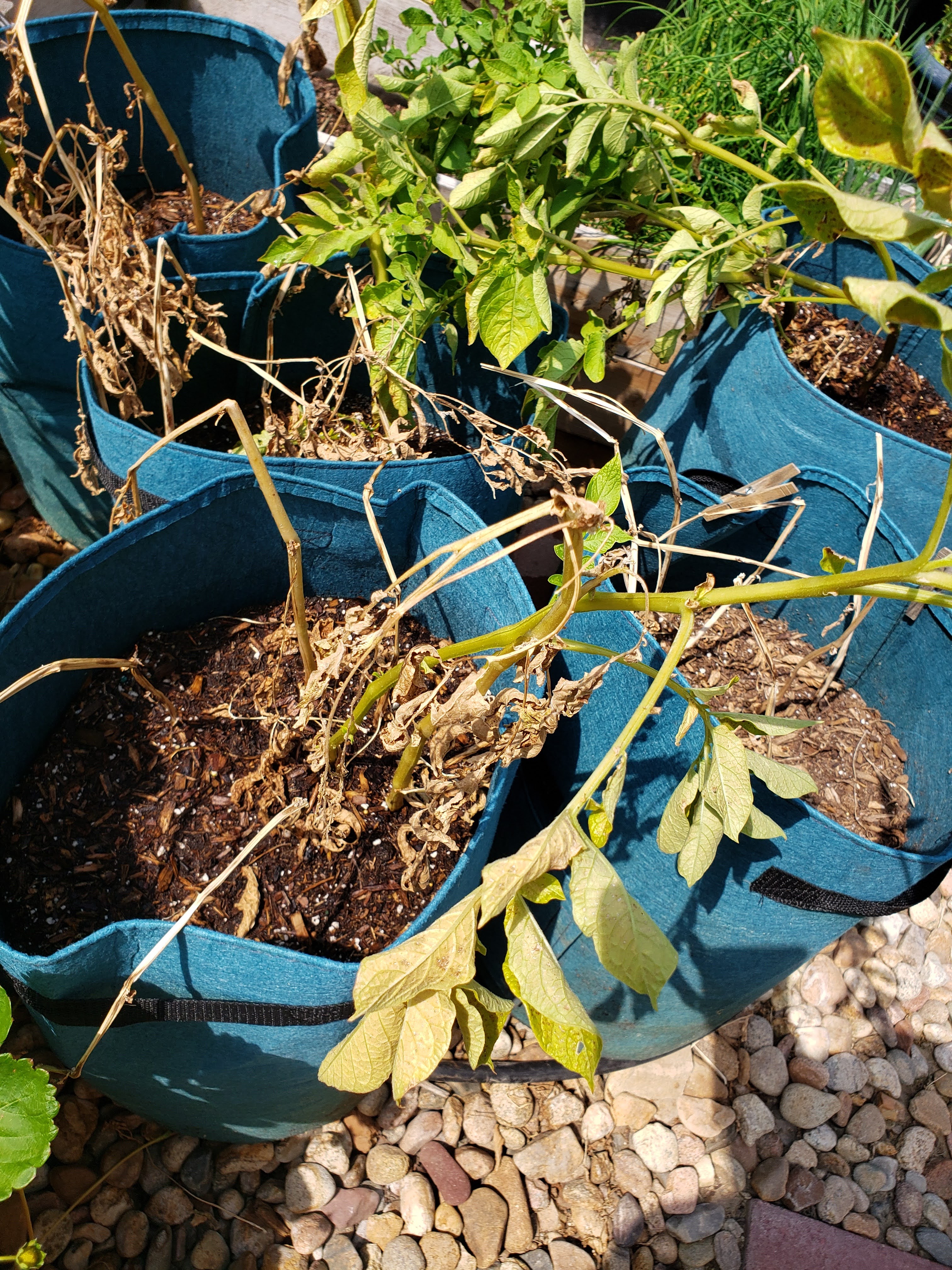
The potatoes are dead. I’ve not been able to find the reason. They started huge and beautiful and green and flowery. And then their leaves turned yellow and died. After much research and several attempts to fix them with nutrition – as there was no insect activity – I have come to believe it was fungal, viral, or bacterial in nature. See this earlier post for details: What’s STILL wrong with the potatoes?

Some time in the next few days I intend to empty the buckets and see if any of the plants were able to produce a few tubers. I found a few delicious potato treasures earlier in the summer when investigating causes for decline, and they were yummy. But beyond that, the season is obviously over for them, and there’s nothing left to do but try and learn more over the winter.

But….

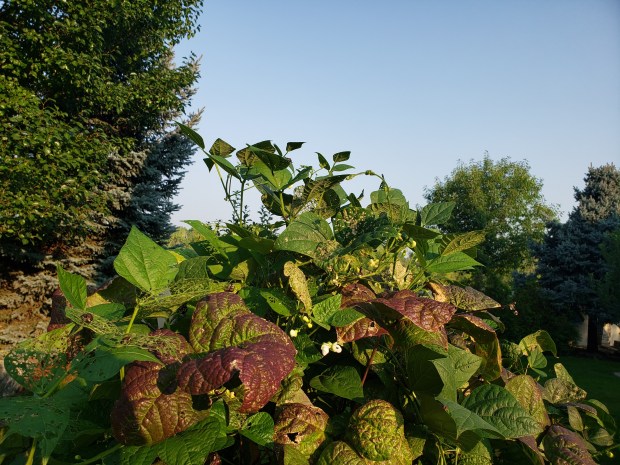
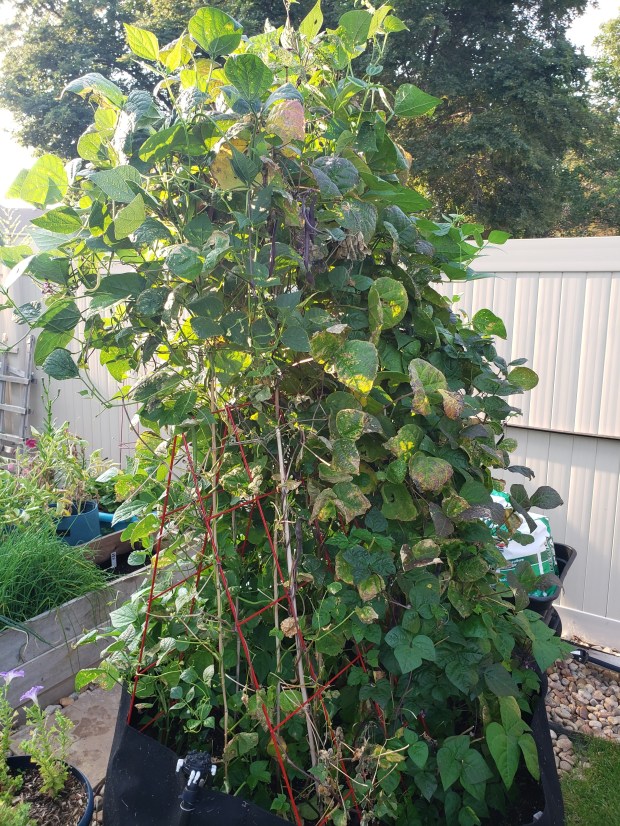
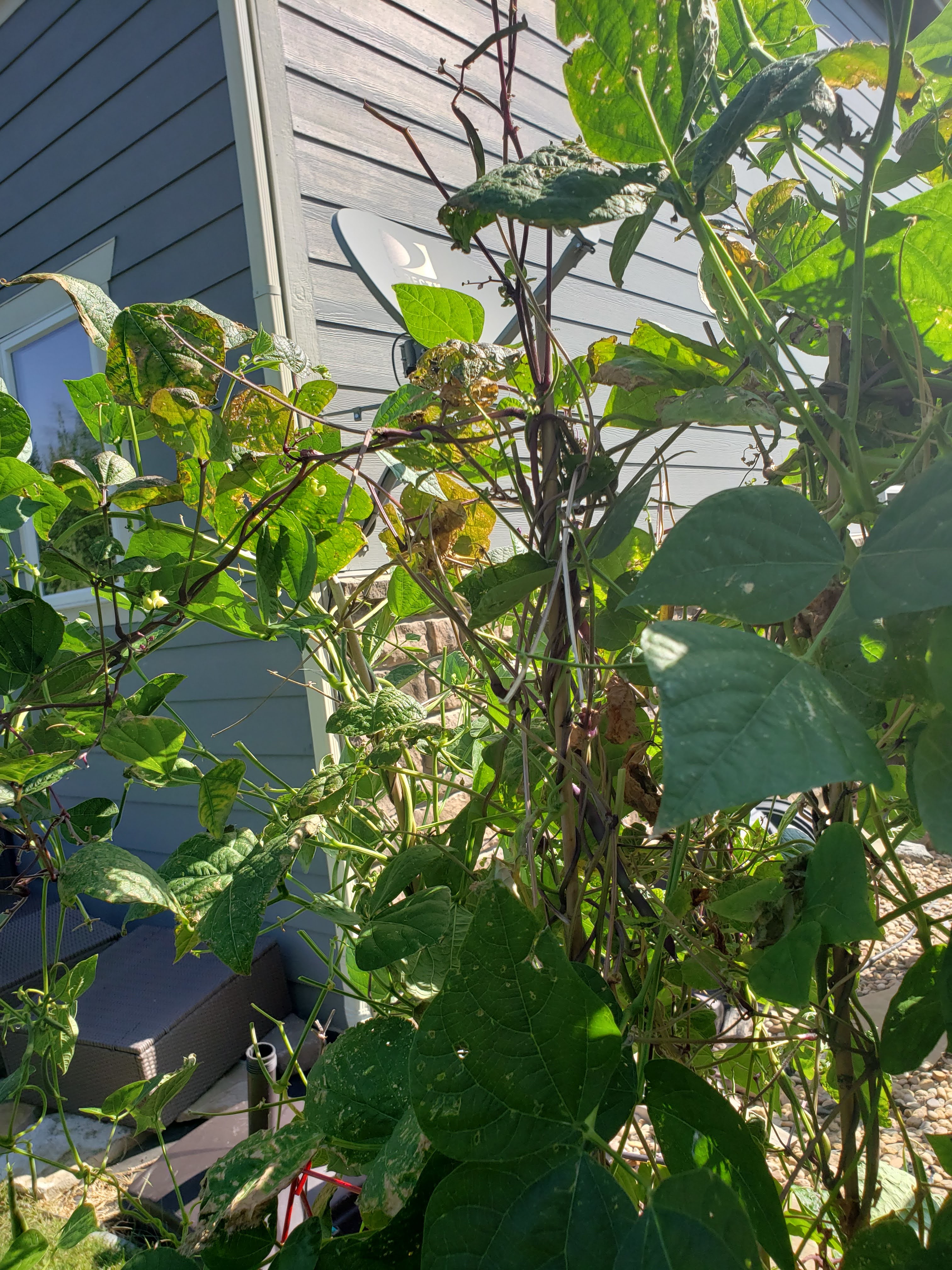
….my beans are still kicking!! They have some issues as well (’cause what in my shitwagon garden doesn’t?), but I’m still getting some pretty good harvest, and I haven’t been able to identify what is causing their distress.

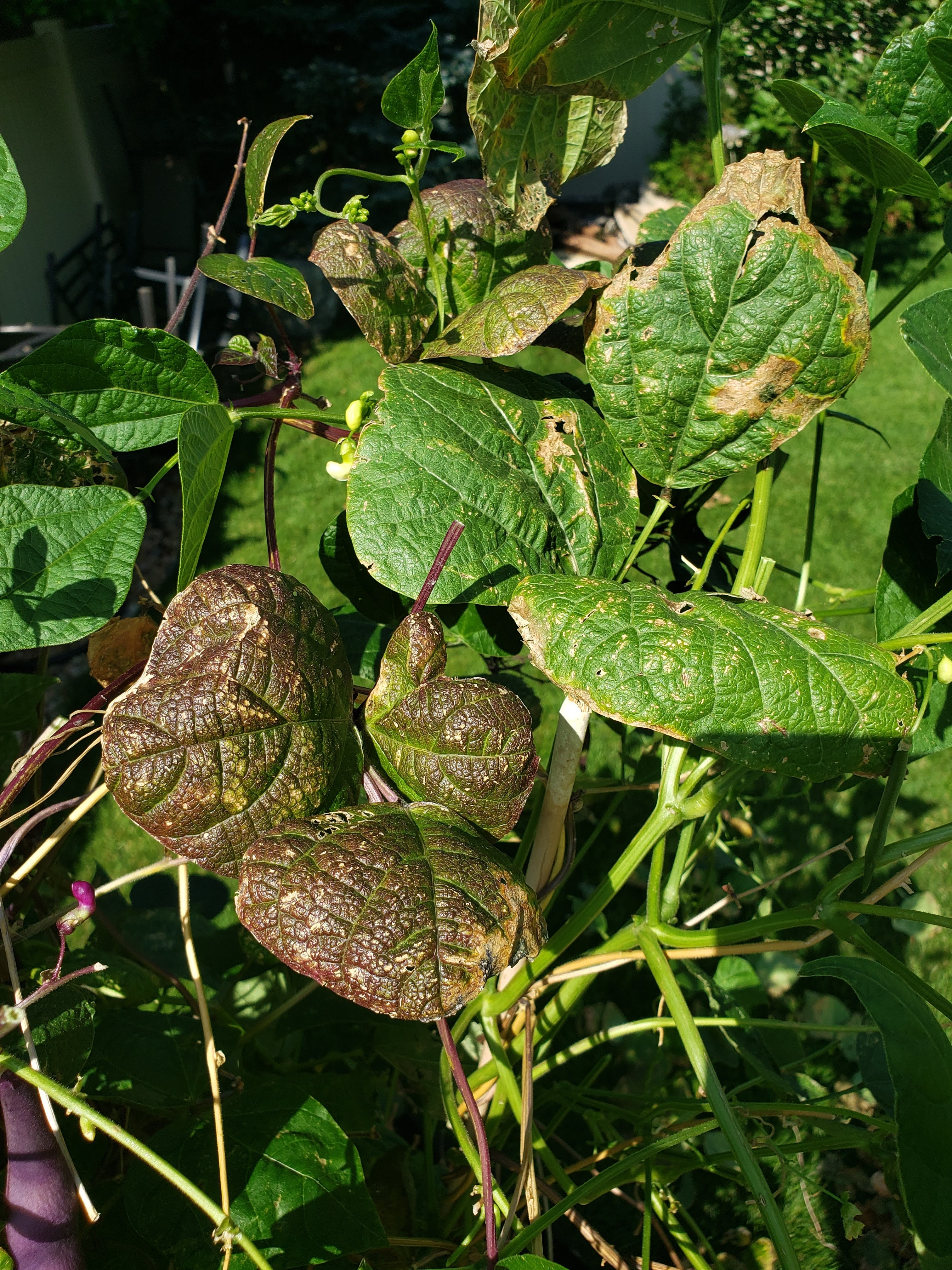
For pretty much every year I can think of that I’ve grown beans, this seems to happen by about late July or August:

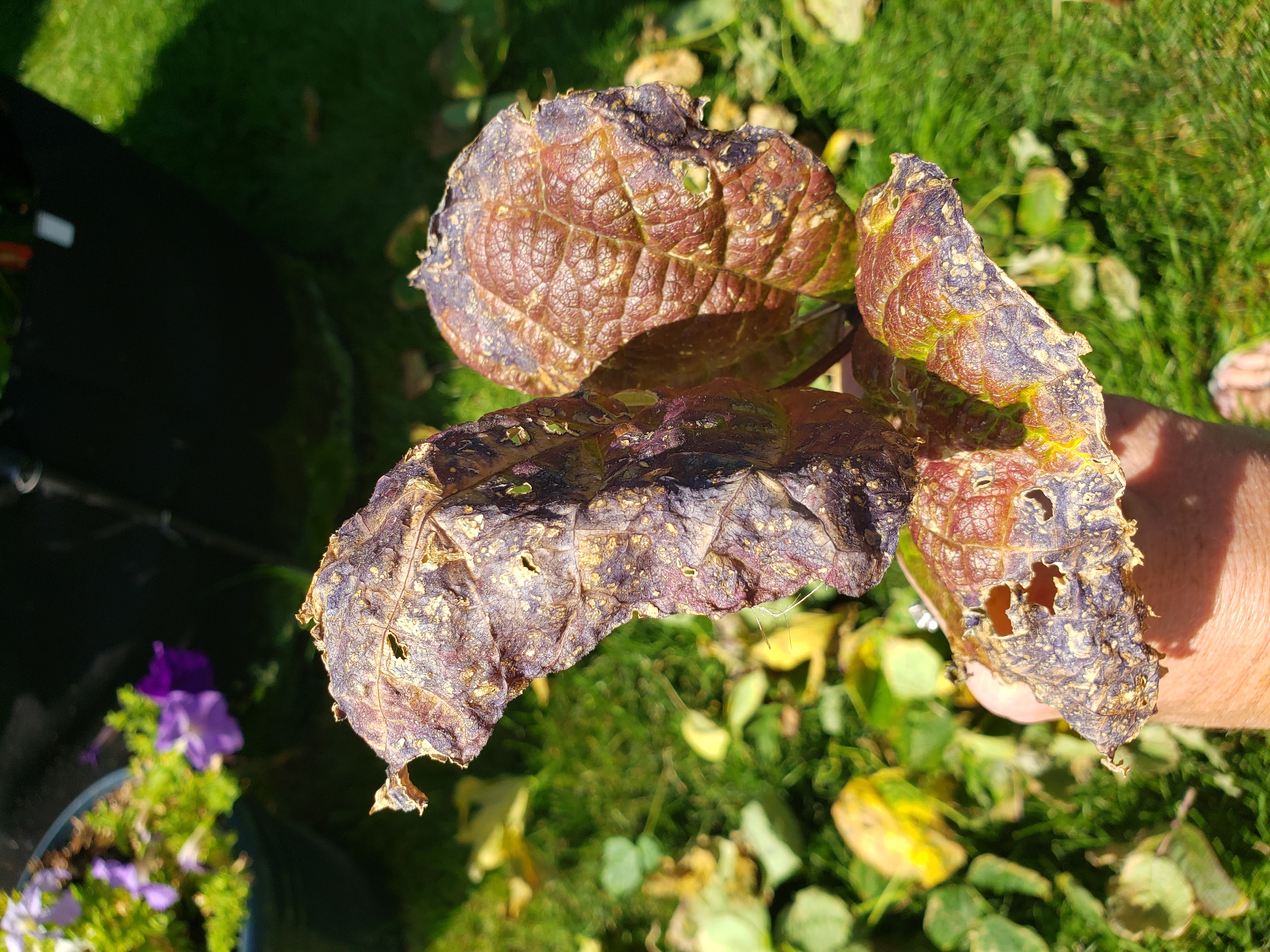
The leaves start getting crispy and red looking. Then they start dying. This year I started paying much closer attention to them, as I now have a Japanese Beetle problem in my garden, and they LOVE LOVE LOVE the bean leaves. Last year was the first year I ever saw a Japanese Beetle, but now they seem to be permanent summer residents. Fucking douchekabobs. See my previous posts Fucking Japanese Beetles and Pesticles Part 1: Japanese Beetles, Flea Beetles, and Grasshoppers for more about those shit sneezes.

Since the invasion of the Fucking Japanese Beetles (FJBs), I have to keep real close tabs on the beans because the FJBs will skeletonize the plant in just a few days if left to their evil plans. The harsh pesticides that will keep them off for a few days does wash off with rain, and cannot be used at will – it has specifically prescribed maximum applications, and is, of course, poisonous to all kinds of things (including humans!) if used improperly.

Therefore, I have to use organic methods as well: I pluck or shake the assbaskets off of the leaves and into a soapy water solution, where they promptly drown.

Anyway, the FJBs have kept me sharp about the beans, and, along with my other nutritional failures around the garden, I’ve been focusing on why the leaves that haven’t been bothered by the FJBs are dying.

Unfortunately, I have no answers. Like the potatoes, the closest fit I can find in my research seems to be viral. When I try to find images of bean leaf issues, the closest match to how my leaves look is in articles about viruses or fungi, but my leaves don’t really fit the description or the look of the images of leaves that have those problems. And, if it’s a virus or something, why am I still getting such a delicious and harvest? Admittedly, it’s not as abundant as it seems like it should be, but many of the purple bean plants have died completely.

I have made it a point to fertilize using a general veggie fertilizer as well as a supplement or two that I’ve applied to everyone in the garden. A bit of magnesium and calcium as a preventative, since several other plants in the garden have needed those.

I noticed that the beans themselves started looking longer and more plump after starting a fertilizer routine, but there’s been no change to the part where leaves are crisping up and falling off.

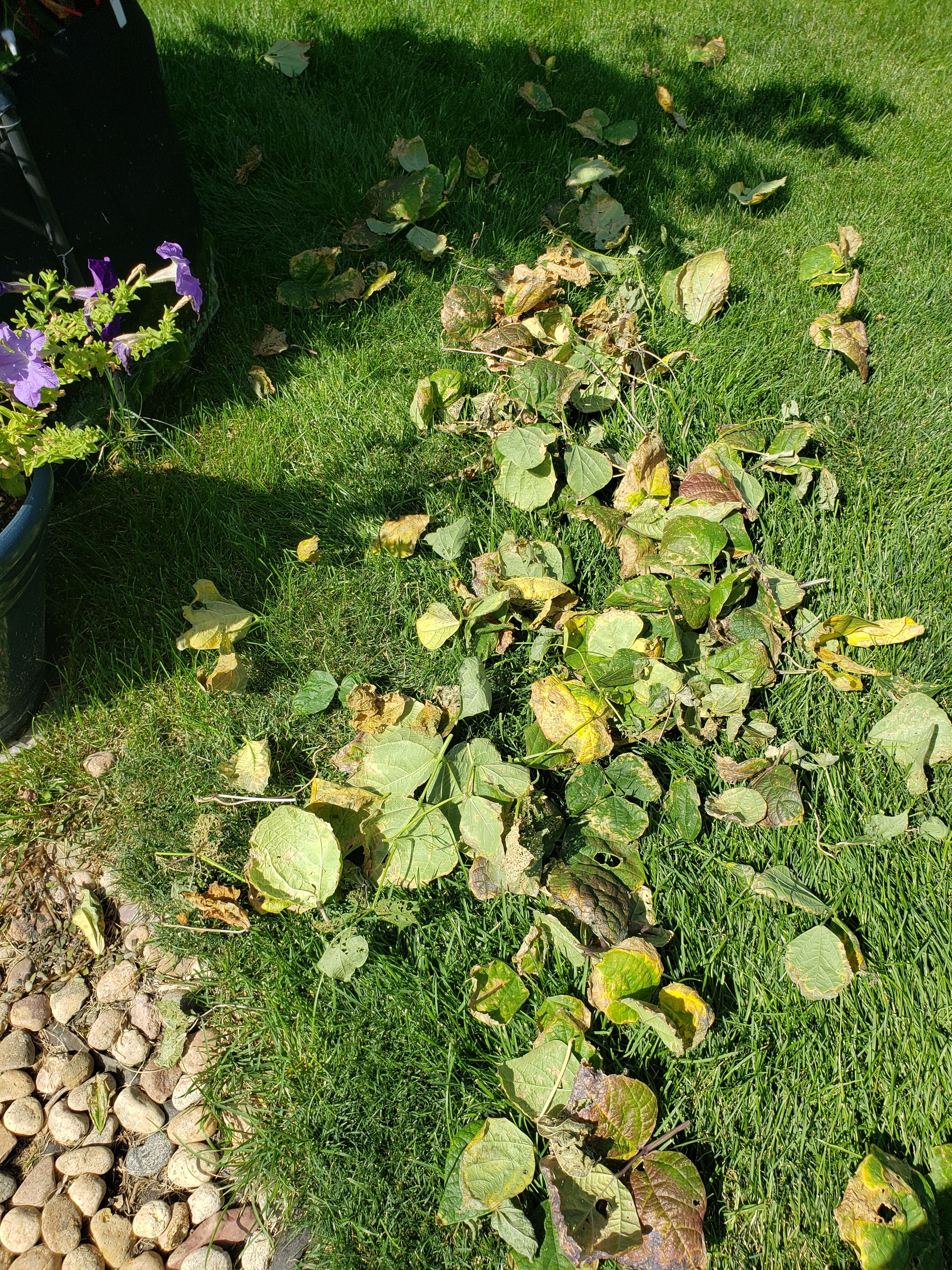
So…feeling like I had to do something, I chose to get rid of all the shitty leaves, and reduce the amount of water they get from the drip irrigation, hoping that maybe they’re overwatered. The bean leaves are very good at providing their stems and soil with so much shade that the soil often stays pretty moist.

Unfortunately, the purple bean leaves seem to be hit the worst, and after removing the dead and dying leaves, there doesn’t seem to be much left of the purple crop. But the green ones are still growing well. They are still losing leaves, but seem to be looking healthier, and still producing abundantly!

I don’t have any real answers, and I continue to research, but I think the bulk of any new approach will have to happen next spring at planting. I think it’s time to ditch the giant felt grow bag that has been the home for these guys for a few seasons, with squash inhabiting the space before them. I think that in case it’s fungal or viral, I might have to dispose of the soil, or find a way to leave it fallow for a few seasons. Grrr.

Pesticles Part 2: Powdery Mildew, Cucumber Beetles, and Earwigs

It must be summer in the garden! Pesticles pesticles everywhere!!

Powdery Mildew

I was really starting to think that I had outsmarted the powdery mildew this year. This annually recurring annoyance has plagued every garden I’ve had for the last seven years, but THIS year I tried active prevention.

In years past, the powdery mildew was sneaky and slow, right up until it wasn’t, and then it was impossible to stop. I’ve spent many a summer sunset out in the garden spraying Neem oil on all the affected plants, coming in smelling like fish oil, and needing to shower. And STILL that shit persists.

Powdery mildew is my oldest enemy in the garden. It was the first – and to this day – the most consistent pesticle to fuck up my Happy Place.

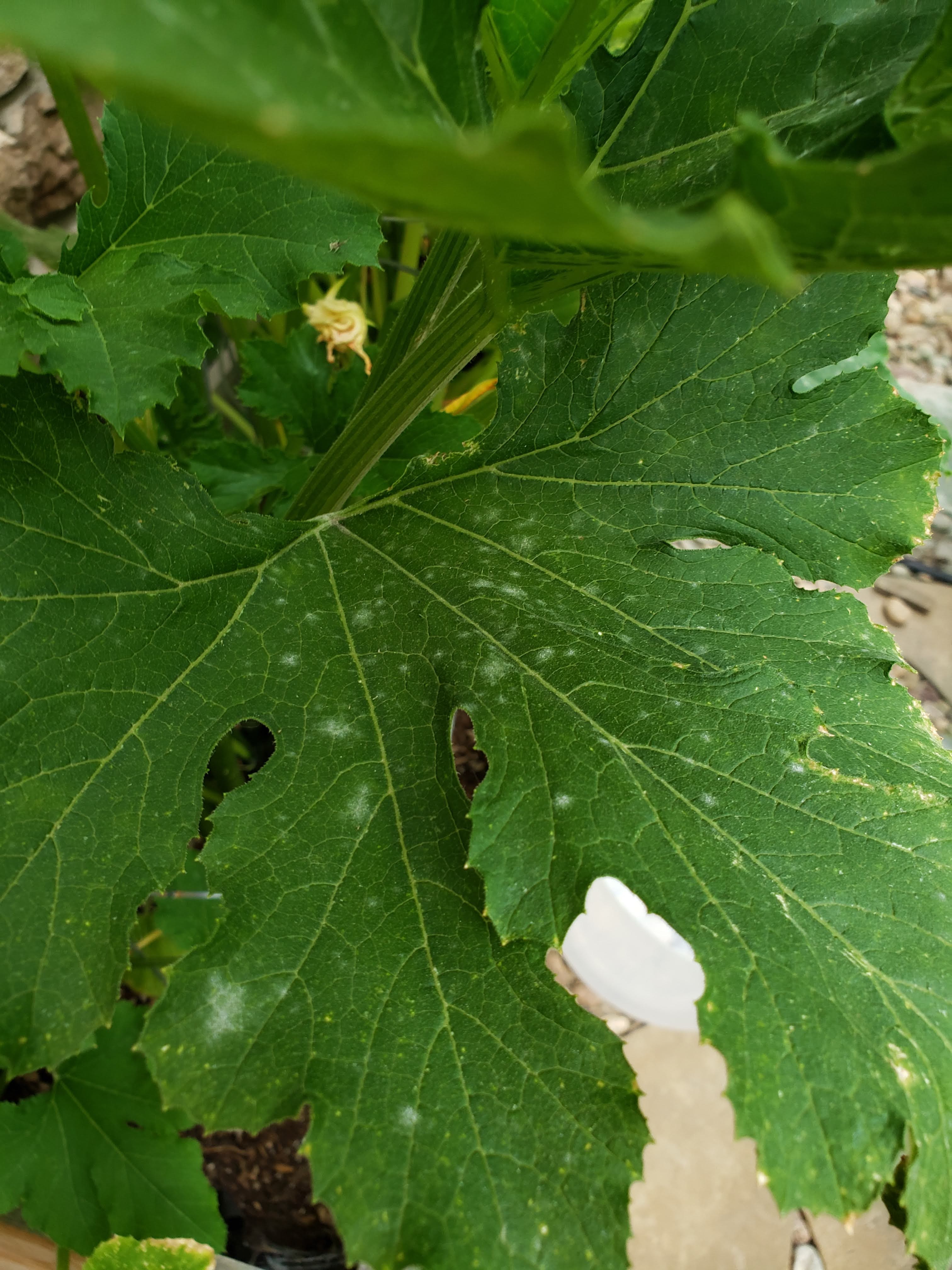
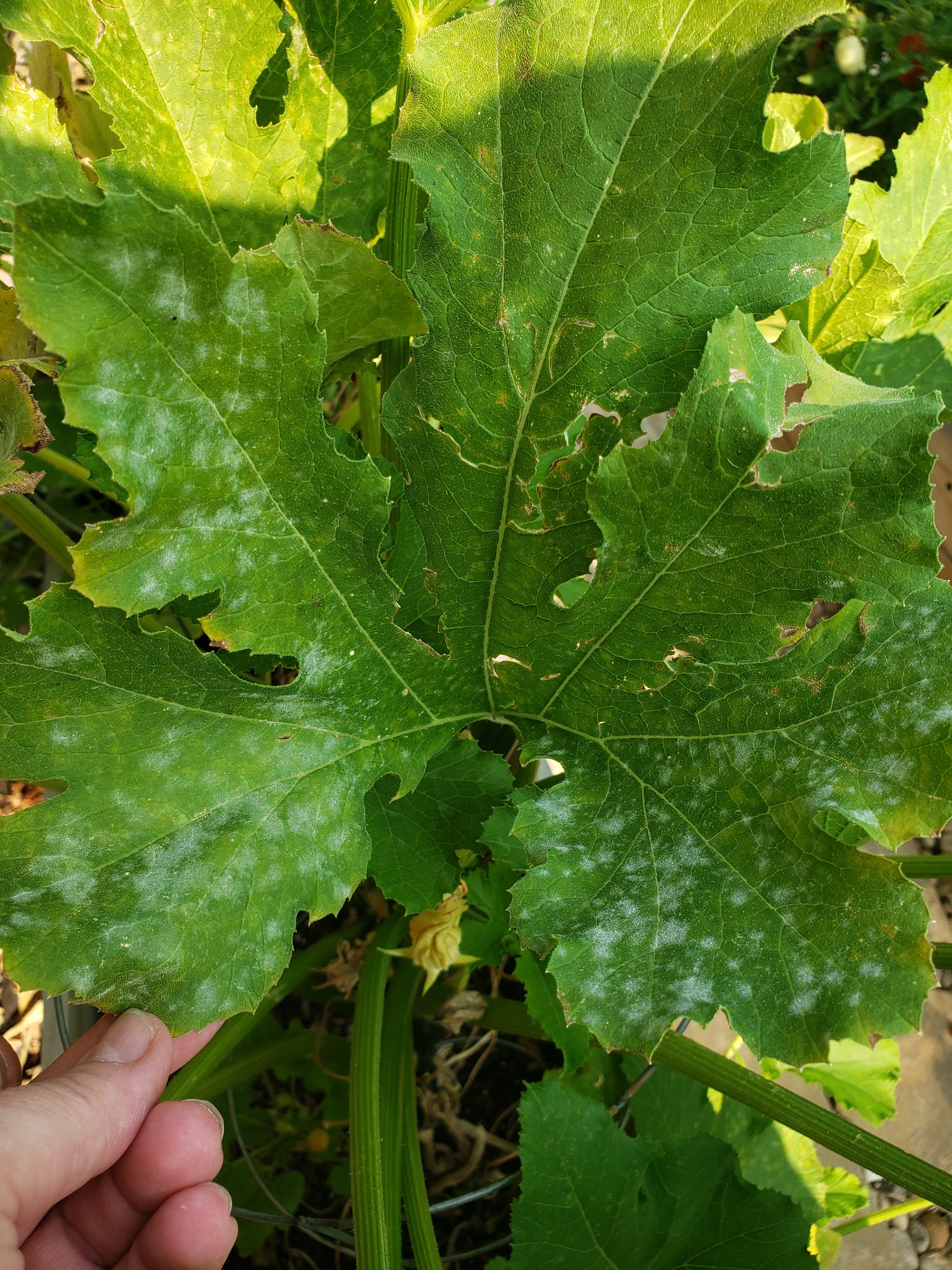
This dumb-ass fungus among us is a slow fucker upper. You see one little white fuzzy spot here and there…

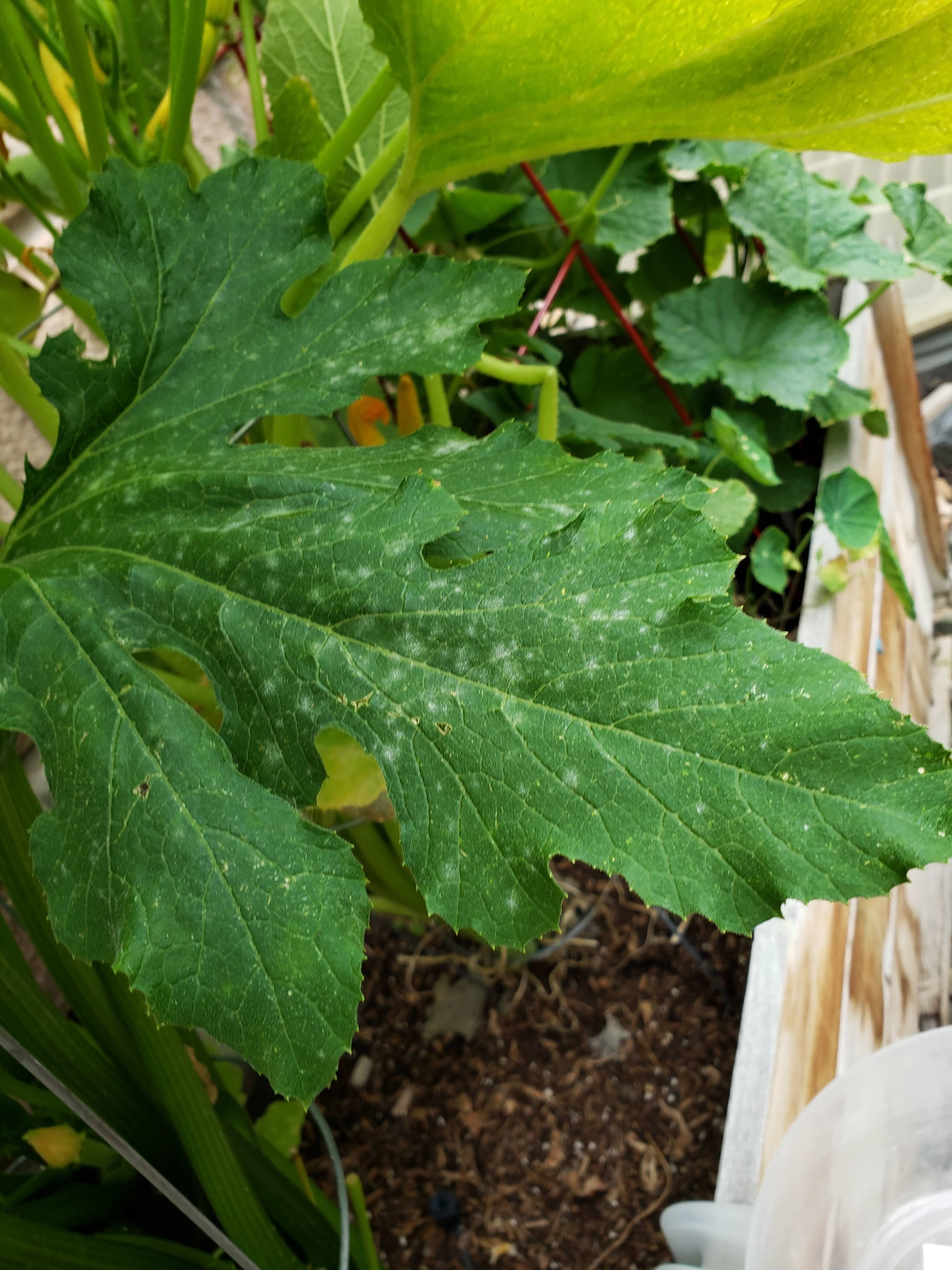
…and before you know it, whole leaves are getting fuzzy white all over, and turning yellow.

Powdery mildew taking hold of a zucchini.

This pesticle loves cucurbits, but is not terribly discriminating, and will take over peas and beans, too. I’ve lost entire crops of peas to this buttfucker because peas, like zucchini, have a silvery pattern on their leaves to begin with, and therefore it’s easy to overlook the fungus.

I really hate this pesticle because it’s hard to prevent, and you can’t actually get rid of it once it once you have it. The only strategy is mitigation.

Neem oil is the standard organic prescription for the home garden, but it doesn’t kill or remove powdery mildew, it just stops it from spreading for a few hours. Once you have an infestation, you have to treat it with the Neem oil every 7 days or it will take over. It doesn’t really hurt the fruit of the plant as long as the infestation isn’t too overwhelming. But left untreated or under-treated, the mildew will eventually stunt growth, reduce yield, and kill the plant.

This year I tried to be clever and cunning, and applied active prevention measures. For my garden that meant adjusting the drip irrigation so that the plants don’t go to sleep in a wet bed. This is the reason I have my drip system dripping at 6AM and 2PM. The 2PM water gives the soil a chance to dry a bit before the sun goes down, and therefore reduces the overnight moisture in the beds. A humid, moist, warm, and overgrown bed is a perfect incubation place for powdery mildew.

I already use vertical gardening to keep growth up off of the soil and to provide airflow, and I remove any dead or dying vegetation. These are the first best prevention methods, but they aren’t guaranteed. Powdery mildew is common, and just requires mitigation. But the hardest part about mitigation is timing.

The thing about the Neem Oil is that it does to the leaves what coconut oil does to your skin at the beach: it cooks. You can only use Neem oil when the plant will not be in the direct sun and heat, otherwise, it will cook and crisp up the very leaves you are trying to save. So evening applications as the sun sets are optimal. (I mean, I COULD get up before the sun and do it, but hahahahaha, let’s be real.)

Evening applications suck because I have young kids and evening means dinner, bath, and bedtime. By the time I can get out there for a non-burning application, it’s full dark. There’s mosquitos. And there’s the night critters. And I simply HATE wearing Neem Oil. It’s got fish oil in it, and when you spray, you have to manually squirt the top and undersides of each leaf. Even with elbow length rubber gloves, I’m gonna smell like dead fish when I come in. Yuck.

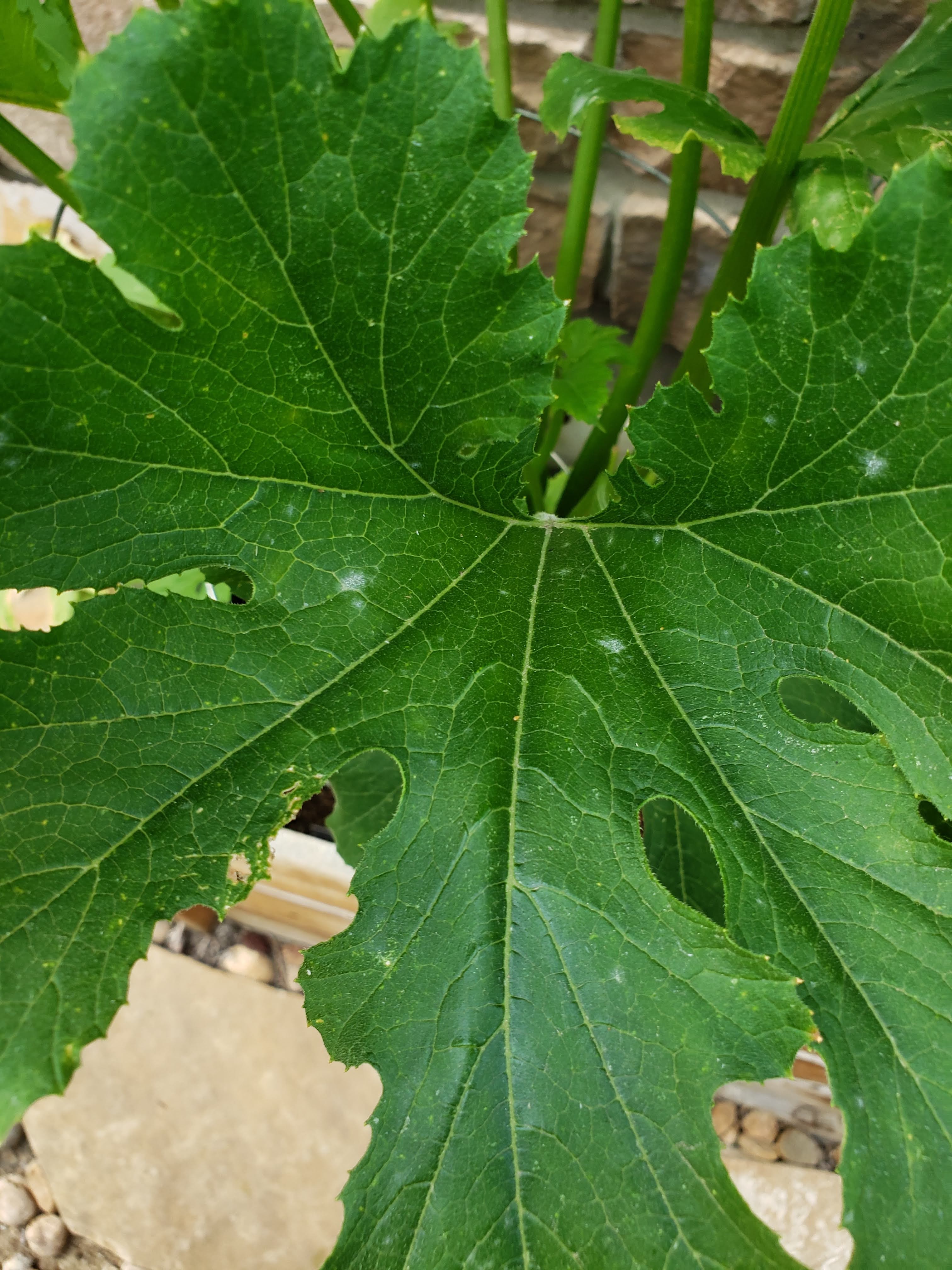
So this year I’ve been much more preventative, and although I do have some powdery fucking mildew on my zucchini and pickling cukes, my mischief is managed. For now.

Cucumber Beetles

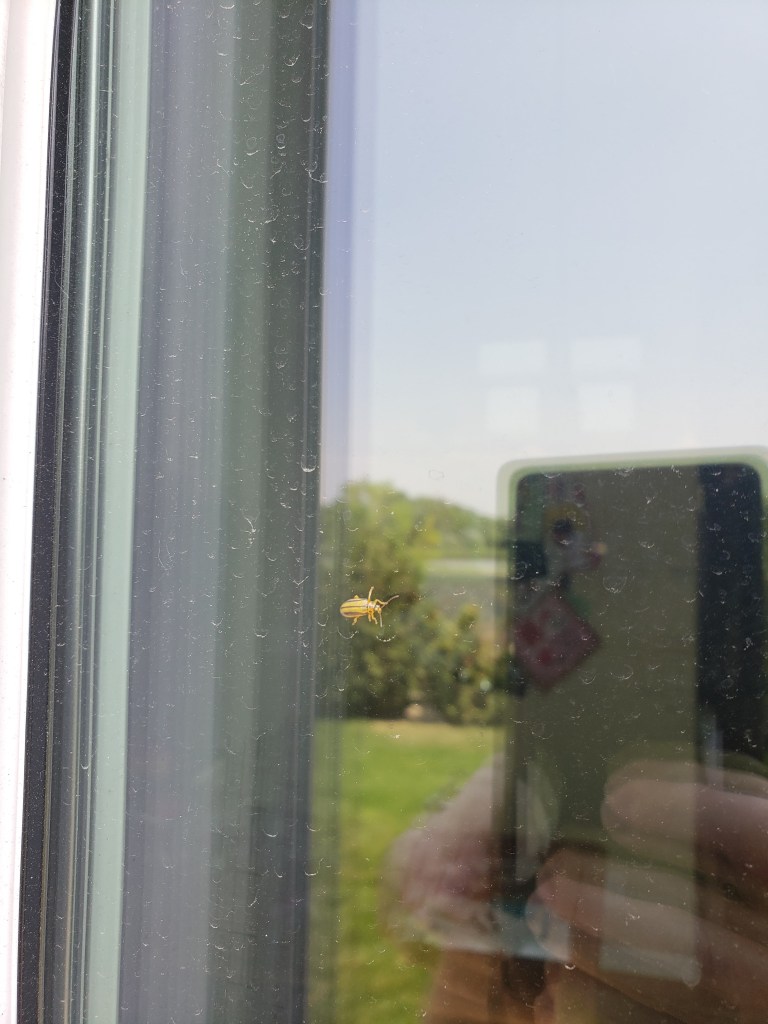
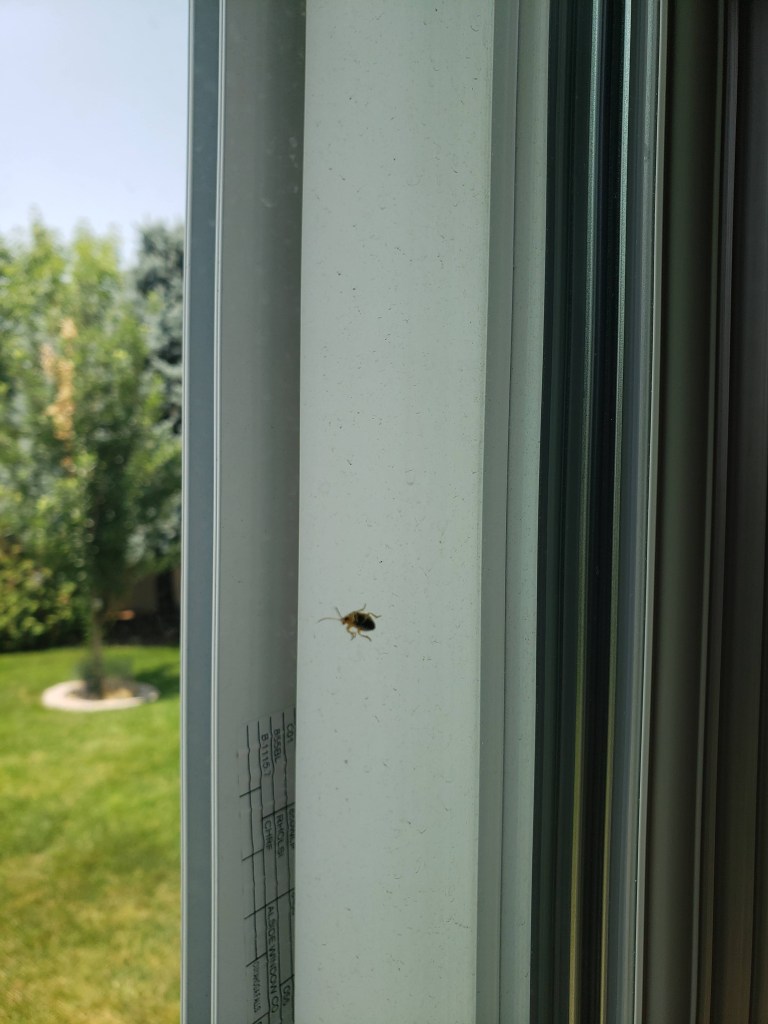
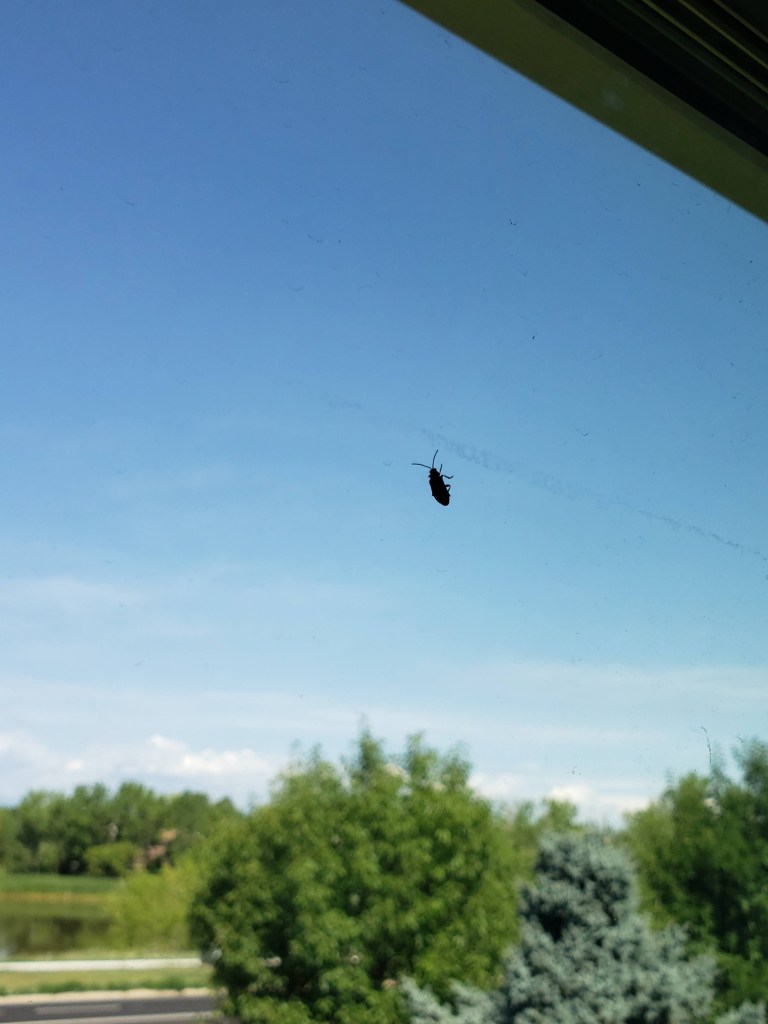
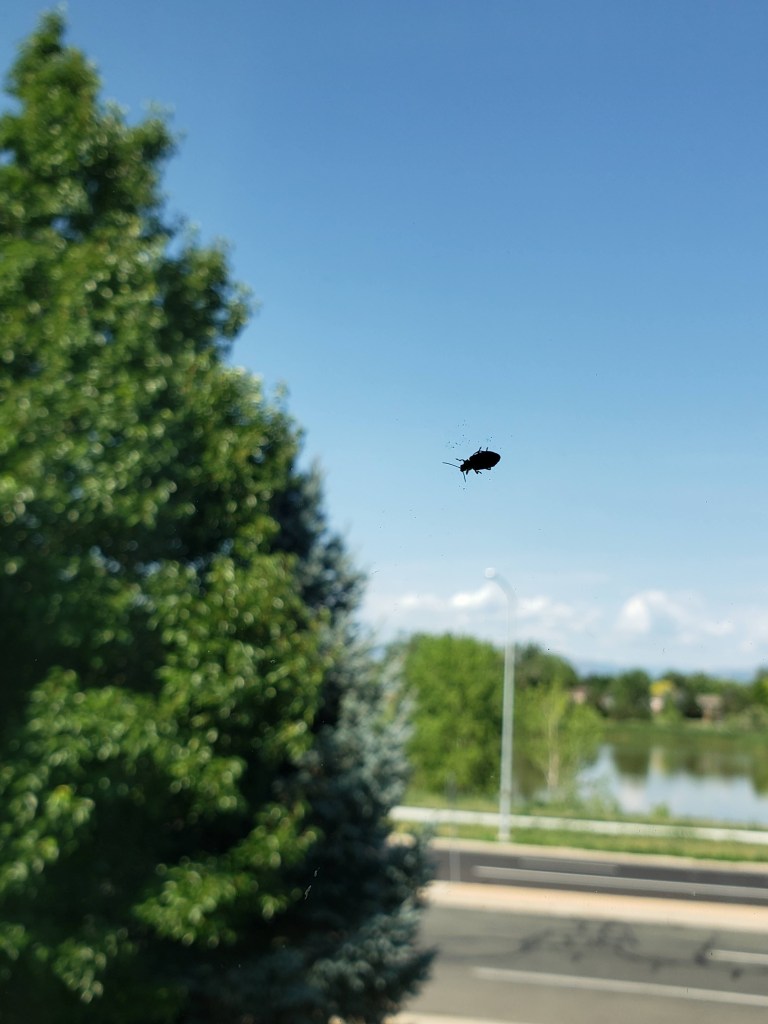
I don’t have a lot of pictures of these guys. They’re small and quiet, and pretty unobtrusive. I’ve rarely seen them on my cucumbers or other squash, but I have found a few on my pole beans. Usually when I see them, strangely, it’s here:

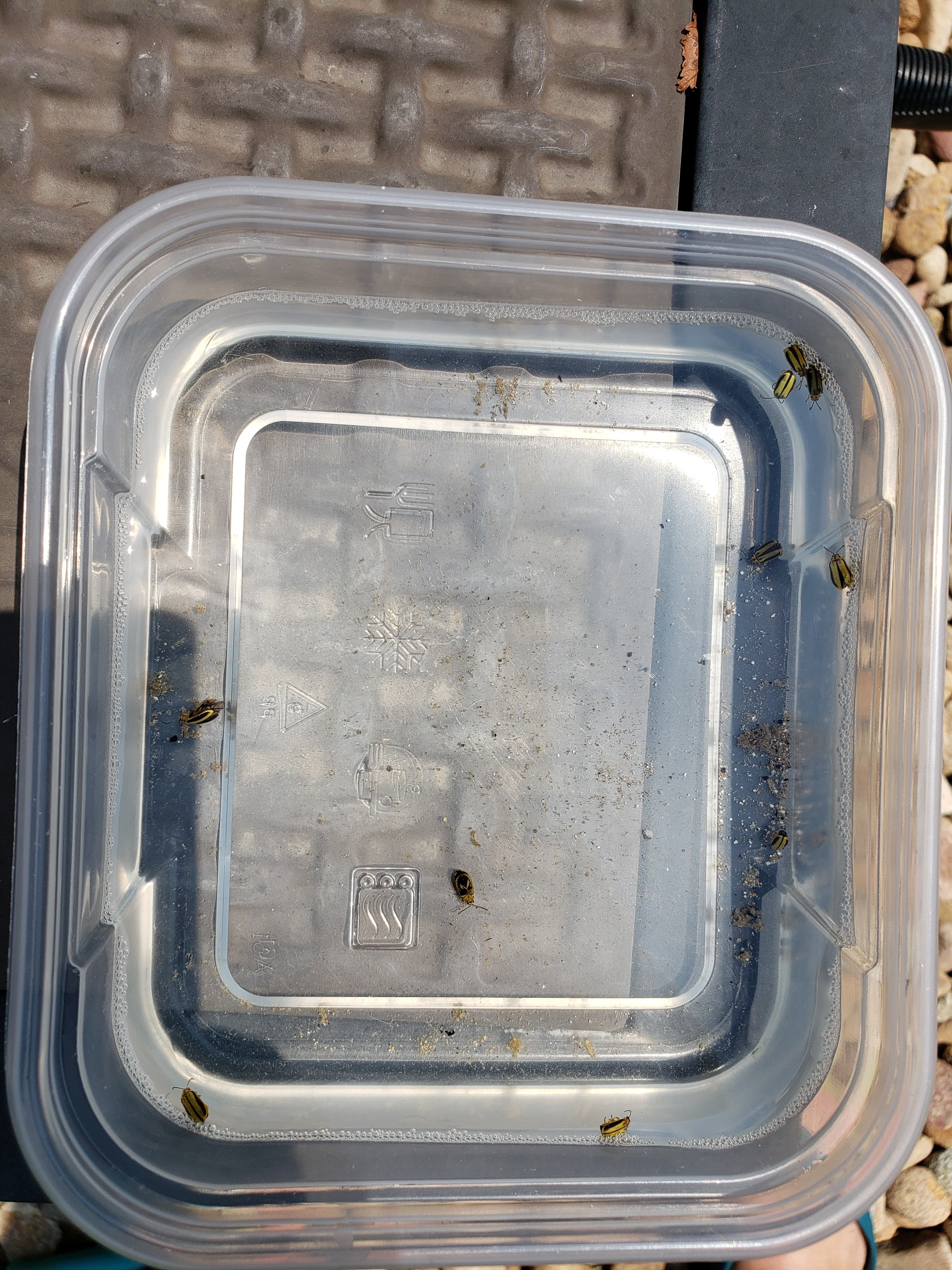
I definitely have cucumber beetles, but they mostly seem to hang out on my glass windows and doors, and always on the pond side of the house. That’s not to say they don’t go in the garden. The other day I shook several of them off of my pole beans and morning glories and into the soapy water I keep around for drowning the Japanese fucking Beetles.

Cucumber Asshats sleeping with the fishes.

However, if they have done actual damage to my plants, I haven’t been able to determine exactly what.

Earwigs

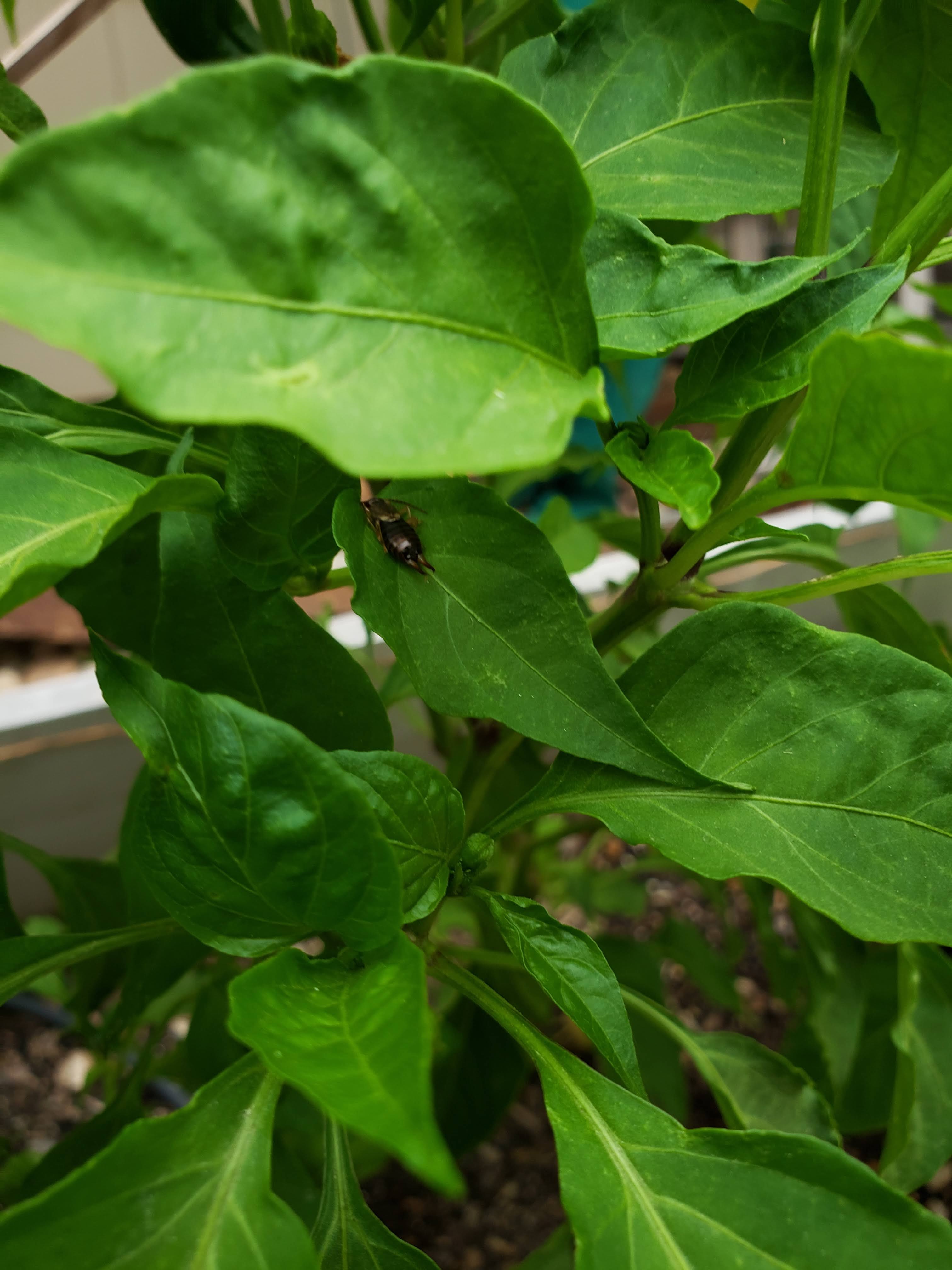
Gross. I hate these twatwaffles. They aren’t exactly destructive to the plants, but they’re fugly, and roach-like, and have these nasty pincers on their asses. Ugg.

Earwigs like dead vegetation. And they like some live stuff, too. But they really like cool moist stuff the most. So they like to hide down inside my lettuce heads, and come running out when I’m placing lettuce in my basket. I find them scurrying around the bases of my pole beans, and down the insides and corners of my raised beds. I have an actual disgust look on my face right now while I’m writing this, because even thinking about these douchenozzles makes me cringe.

I guess if I have to have pesticles, these guys aren’t that bad, because they really don’t cause much damage to the actual garden. But they do creep me the fuck out. Gross.

Douchenozzle earwig chillin’ on a pepper leaf.

Pesticles Part 3: Tomato Fucking Hornworms

I’ve had a lot of shit in my garden over the years, but this asshole takes the cake. I’d read about them in various publications over time, but have never had any but the smallest inchworm grace my garden. You know, the super cute and tiny little green fellow that you can hardly see against the stem or leaf, and that probably starred in his own Eric Carle story. Oh, wait…

Tomato Hornworms are anathema to your tomato plant. Just one or two can decimate this winter’s spaghetti sauce if you miss its presence.

My mother is not much of a gardener, but her burgeoning skills with a gifted Bonzai tree have encouraged her, and for the past couple of years, she has also hosted a potted tomato plant in her backyard.

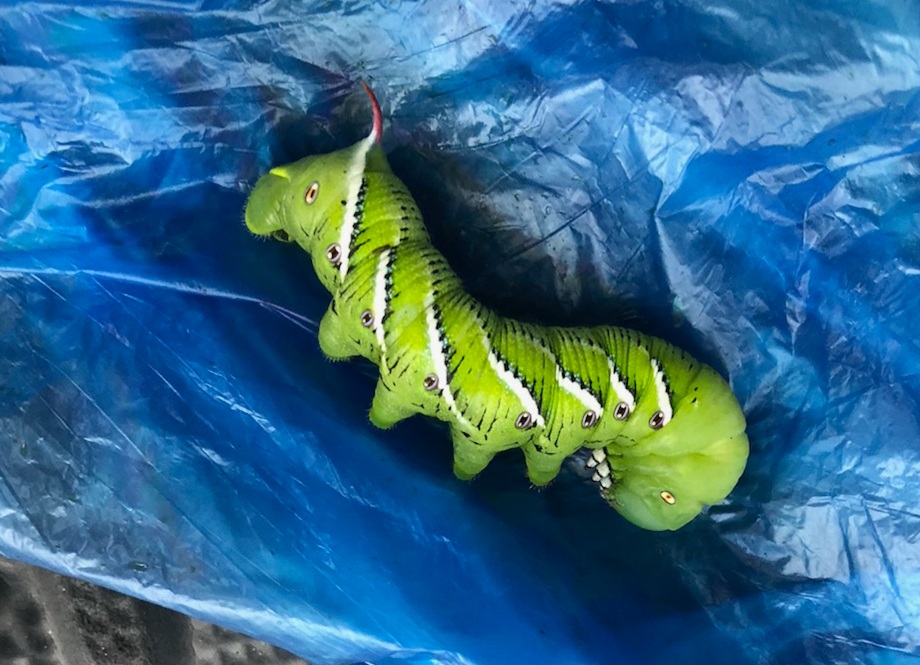
This summer she told me she was having the most terrible luck with her tomato plant. She recruited my brother-in-law, and investigated the trouble. Here’s what they found:

Uh-oh.

I reeled in horror at what I saw! It’s hyyuuggeee!!! Ewww! Mom hadn’t found out what it was yet and I couldn’t possibly wait for an identification, so I did what any good gardener does in a moment of horror: Google.

To be honest, I kinda figured I already knew what it was. I’ve heard the stories. I’ve never seen one or even looked up a picture, but the Tomato Hornworm’s reputation precedes it. It took me about 10 seconds to know what had eaten Mom’s plant.

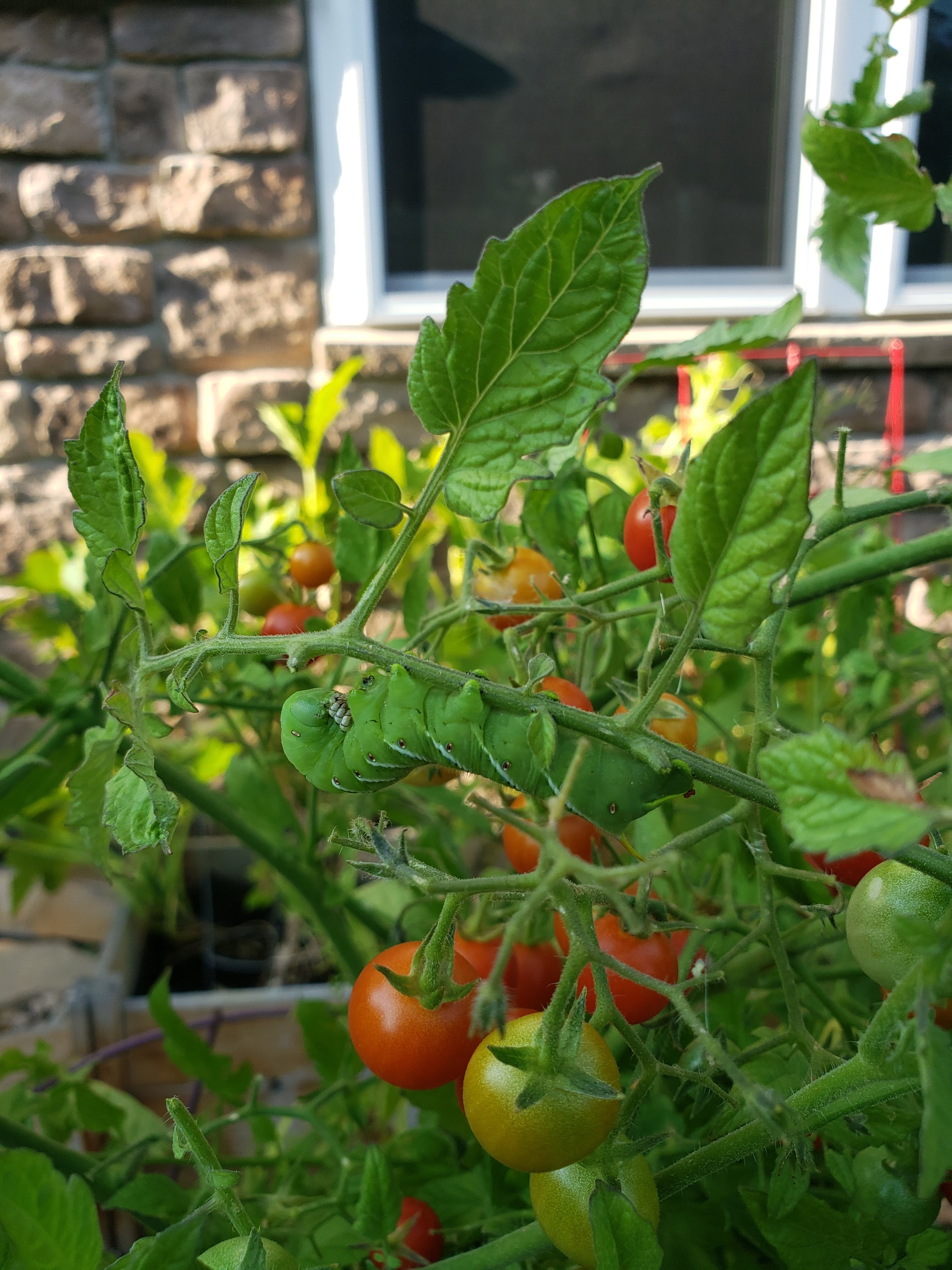
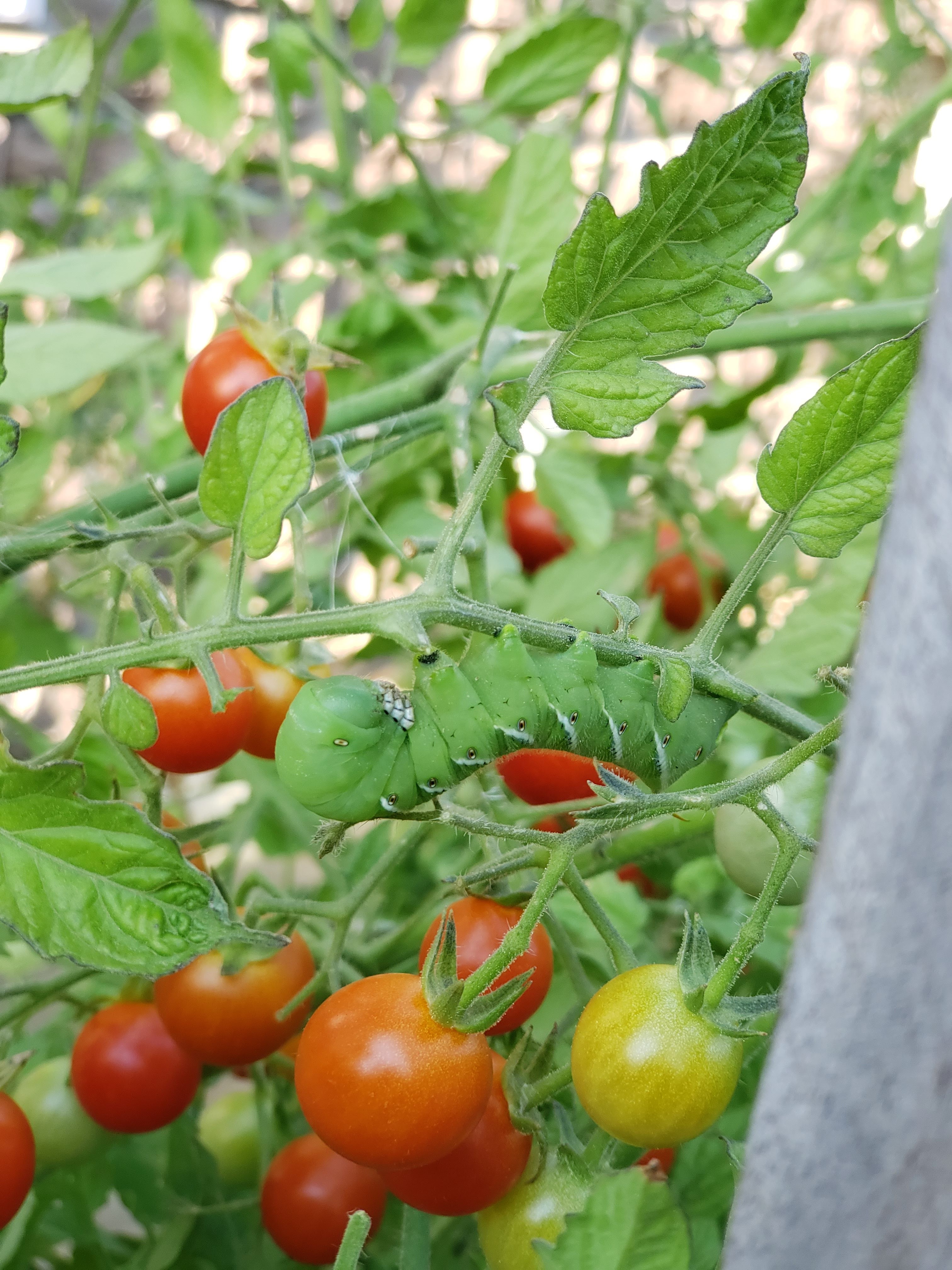
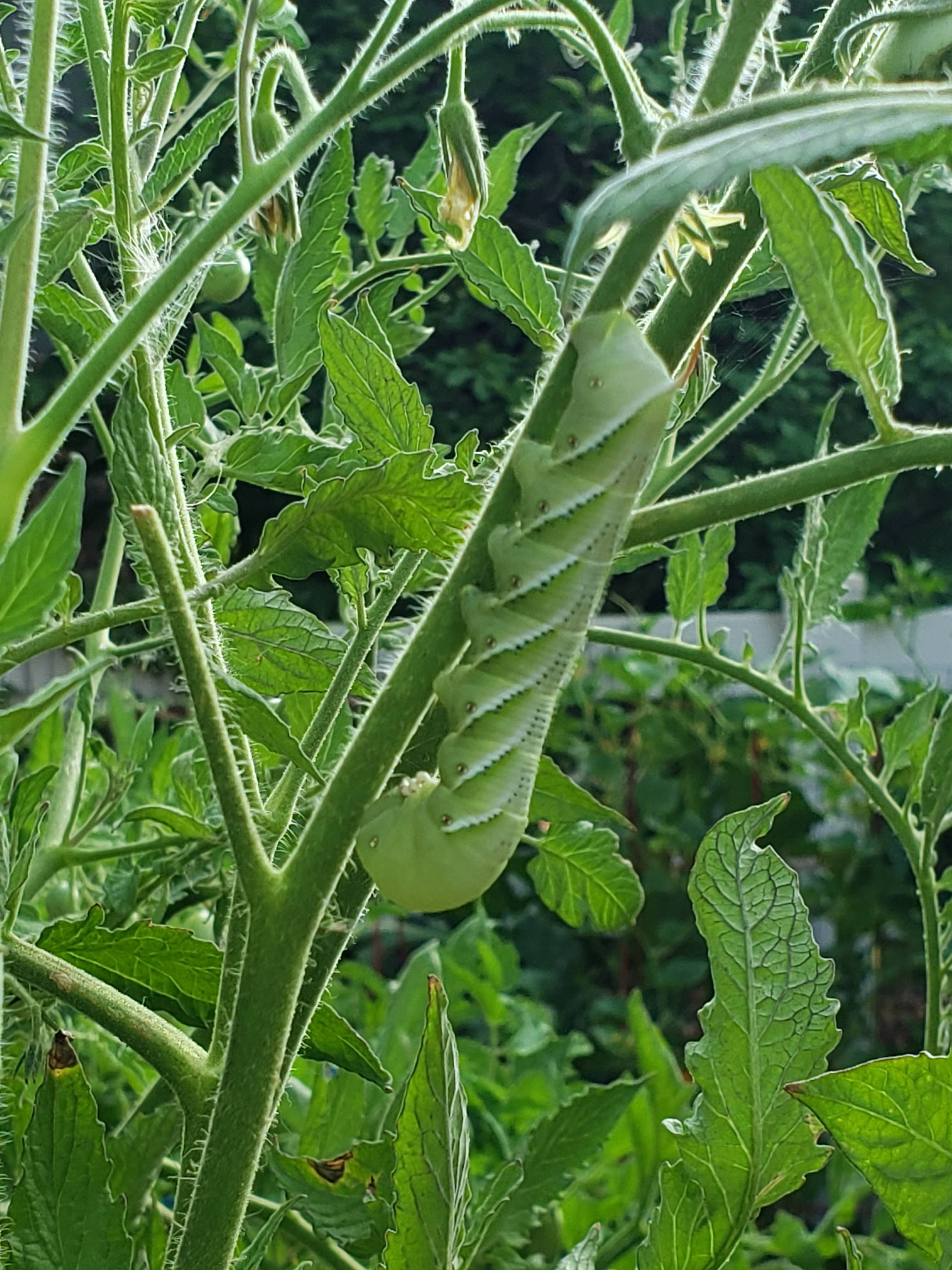
Technically, this one is a Tobacco Hornworm. The Tomato version has a green horn and V-shaped stripes or something. Whatever. The point is, this thing is a killer and must be stopped!! Or at least moved to somewhere that it won’t murder tomatoes.

By the time Mom found that shithead, it was already too late. Her poor tomato plant was decimated, and although technically alive, can not possibly produce a crop before winter. What an asshole. (The hornworm, not Mom.)

Okay, so for what it’s worth, the Tomato and Tobacco Hornworms turn in to really pretty moths – the Tomato variety actually played a starring role in the classic film Silence of the Lambs. No, really. Google it if you don’t believe me.

Fortunately, I’ve never seen one of these assholes in MY garden. Whew!

After returning from a weeklong visit to Mom’s – where I first-hand witnessed the devastation to her tomato plant – I couldn’t wait to visit my Happy Place and see how the garden fared under my partner’s gardensitting hand.

He’d done a stupendous job staying on top of harvesting and collecting, and even hand-watered my faltering potatoes.

Everything was looking wonderful; predictably my hunny had done a terrific job while I was gone. After a week away, I carefully inspected everyone, looking for growth, moisture levels, health, and pesticles. While looking down to avoid an obstacle, I noticed some shit.

What is that shit?

To the untrained eye, it probably looks like some dirt bits or something. But after you’ve seen enough pesticles, you start to recognize shit from shinola. This kind of looks like mouse scat, but it’s too square. Mouse shit is oblong. This shit is squared off. Yes, I looked that closely.

Well, the shit don’t fall far from the pesticle, so I used my physics training to look 90 degrees from the perpendicular of the droppings. Basically, I looked straight up from the shit. Oh shit.

Fucking Pesticle!!!!!!!!
(Otherwise known as a goddam Tobacco Fucking Horn Worm.)

Goddambloodytomatosuckingpieceofshit!! Aaaagggggg! Eeeewwwww!! It was hovering over my head while I was investigating its shit!!! Disgusting wanker!!

Well, once I made sure that every one of my neighbors knows my extensive repertoire of profanity, I did what any brave gardener does when confronted by a monster. I called out my 8-year old.

After the shock of witnessing such an enormous beast committing herbicide right in front of my eyes, me and the kid got down to a removal plan. Although my little Danger (yes, that’s really her nickname, and if you met her you’d know why) was keen to go grab it and hug it and squeeze it and love it for ever and ever, I was NOT keen for her to touch the thing, so I made her put on some rubber gloves first. She went right up to the beast and attempted to pluck it off. But NO. This little fucker was vacuum sealed on to the stem. Danger tried every way she could think of without squashing the bastard, and we finally gave up.

I thought I was going to have to break out some nasty chemicals and melt away the little fuckwad into slime like a slug in salt. But no, there had to be a better way. The little green hobgoblin was attached to one of the topmost branches of the my SuperSweet 100s, an indeterminate tomato variety notorious for taking over any tomato patch with its rapid growth and long-ass branches. This plant would never miss that little tip of branch, especially since the hornworm had eaten all of the foliage and half of the fruit from it already.

So Danger and I cut the branch off the plant. And we tossed the branch over the fence of my yard. We are very brave.

I know, and I’m not proud of it. I know I could have disposed of it some other way, but I don’t want to kill it! It’s huge, and would make a huge mess and nightmare-inducing sound if we squashed it. But that caterpillar is never going to be able to find this plant again from outside the yard, AND, it might become a delightful meal for one of the families of birds nearby. Or it can just fucking find somewhere else to live and something else to eat; I gave it a chance. But it will GET. OFF. OF. MY. LAWN. (or garden, in this case)

Whew! Well, that’s that.

So today I was out harvesting my plentiful tomatoes (They’re doing great now after some treatment; see What’s Wrong With the Tomatoes?). I haven’t been in the garden in two days, and at this time of year (August is harvest time! Every day!) that could be critical. The powdery mildew could get out of control in just two days, the Japanese beetles could finish off a whole blackberry cane or several pole bean plants, or a delightful infestation of YouNameIt pesticle could move in and take over. The point is, I was spending some time harvesting and observing.

Honestly, although there’s some issues in my Happy Place, overall, today it was looking alright and there’s no new Japanese beetles to drown, so I’m feeling good. It sucks to be a murderer every time I go in the garden, so a day without Japanese fucking Beetles is a good day.

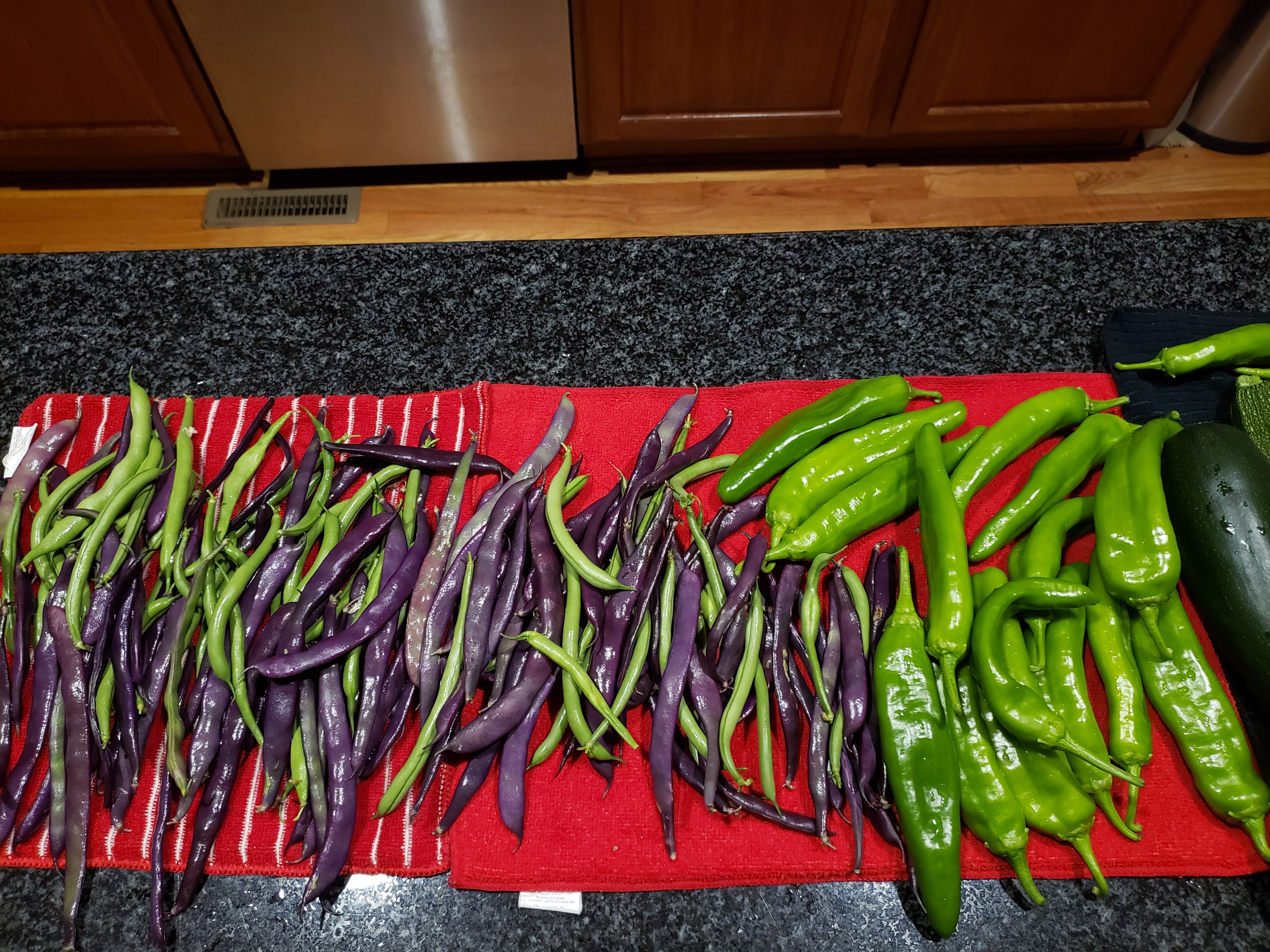
I was filling my harvest basket with beautiful green beans, a couple of pickling cucumbers, the first ripe Thai chili of the season, a zucchini, two Anaheim peppers, a few strawberries, and several jalapenos until the basket was full up! After emptying the basket of the first load, I came back out ready to fill it with tomato love.

Tomato love

My fertilizer treatments of calcium and phosphorus made all the difference, and the ‘maters have been coming fast and tasty!

I made my way down the line from the Romas to the San Marzanos to the SuperSweet 100s. And there I noticed something odd:

Who’s been eating my ‘maters?

SOMEBODY has been eating my tomatoes. Without asking my permission, and without even taking them off the vine! My children might be feral, but even THEY have the courtesy to remove them from the plant before noshing. Dufuq?

Oh no. I recognize this. I’ve only ever had one pesticle that actually ATE my tomatoes. Fucking asshat.

Sigh. Another one. I know you might be wondering, is that the one you threw over the fence, Pottymouth? No. No, I don’t believe it is. There’s pretty much no way it could find its way back. I don’t think. Plus, although still uncomfortably large, this one is a smidge smaller than the last. And its stripes are not as pronounced. Ugg, whatever! Fortunately, like the last one, it clearly hasn’t been there long because there were only a few leaves and those two half tomatoes missing. Like before, I lopped off the branch and hurled it over the fence.

We have some lovely birds of prey nearby; there’s even an American Bald Eagle preserve just a few miles away. Last year we had a family of Cooper Hawks nest in the tree just over the fence where I threw my not-friend. Plus, we have all the usual suburban birds, and a healthy population of traveling birds like ducks and geese from the pond across the street. Point is, there’s a whole ecosystem of modern-day T-Rexes looking for grubs just over that fence. Soup’s on fellas!!!

What’s wrong with the tomatoes?

Sonofamotherfuckingbitch!!! There’s something wrong with my damn tomatoes!! Specifically the San Marzanos. Grrr.

Tomatoes have always done really well in my garden. One time I had some blossom-end rot, but that’s an easy fix. And last year I had an abso-fucking-lutely disgusting and massive infestation of whiteflies. Fucking pesticles!! That was horrendously heinous, but I still had a terrific harvest.

This year I rotated the toms to another part of the garden for soil health and also to try a different configuration of plants so that I can reach and see all parts of the plants. Last year’s whiteflies got a hold in an area that I couldn’t see or reach; that’s how they evaded treatment until they had fully infested, and then I couldn’t get rid of them. Gross!

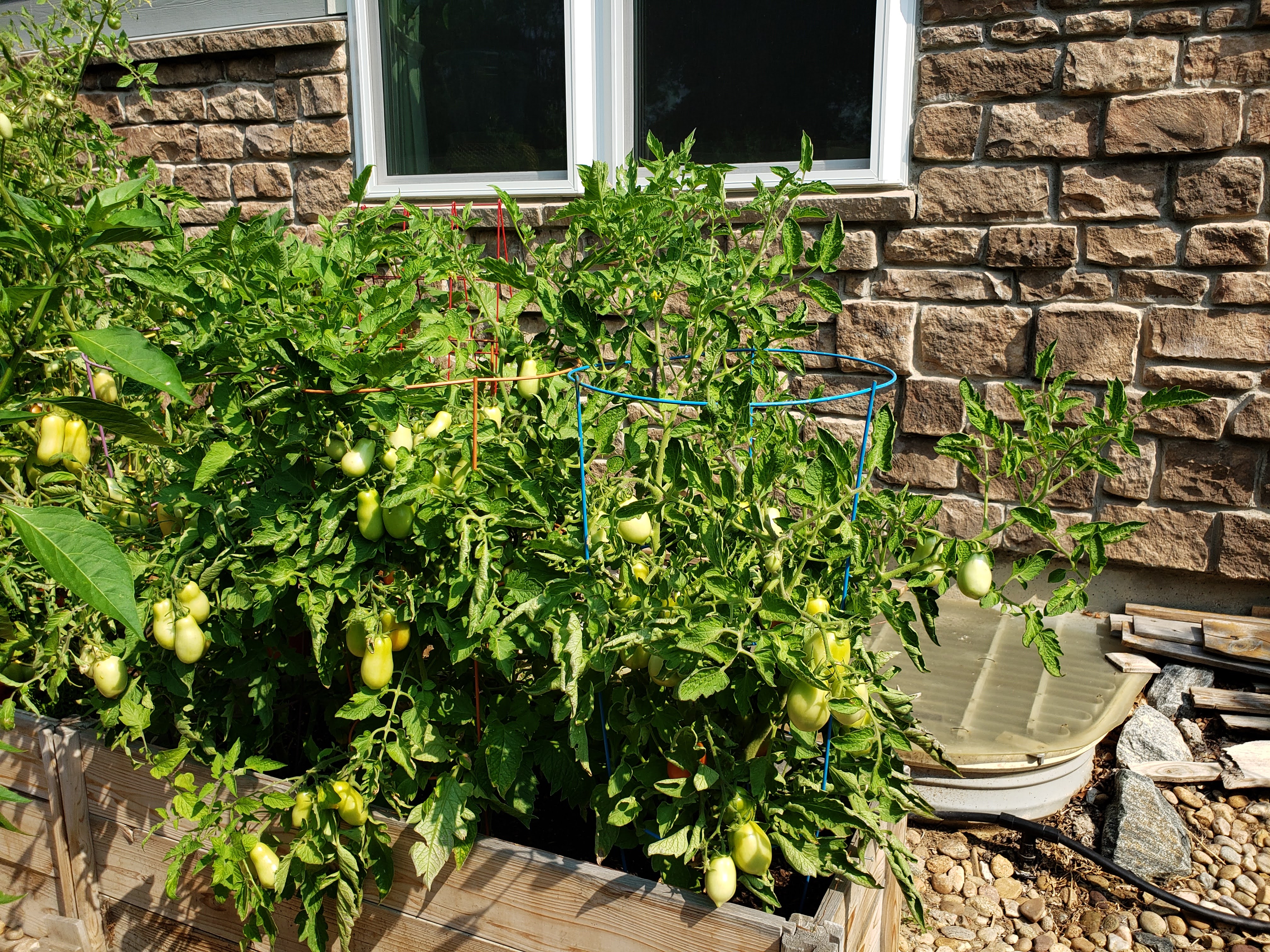
This year’s crop has been looking spectacular and bug-free all season, but now there’s a potential nutrient problem that’s making the San Marzanos look like shit. Time to find out what’s wrong with them.

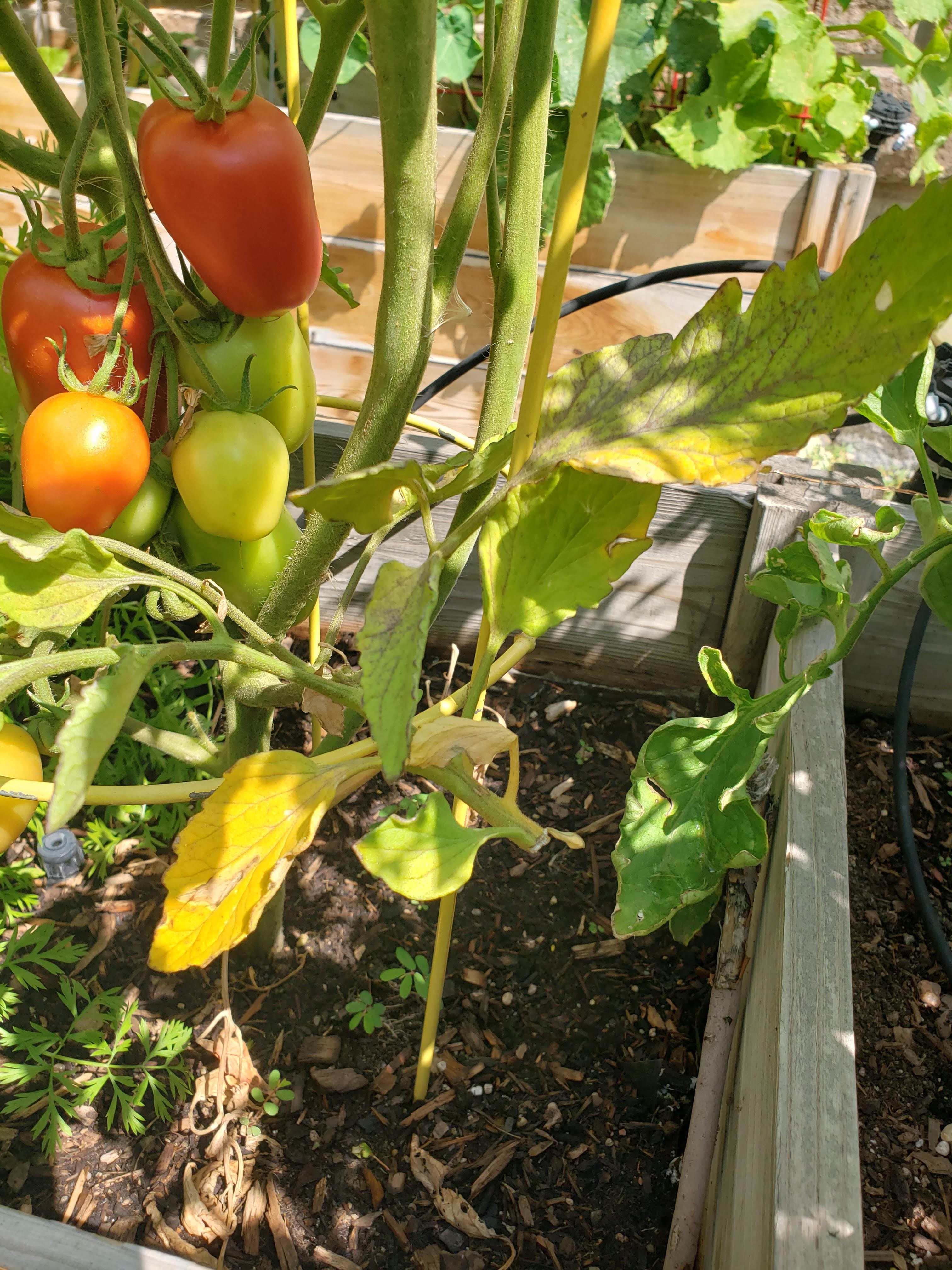
The San Marzano plant has been losing leaves at the very bottom; they’ve been turning yellow and falling off. There’s a gazillion tomatoes on the huge tall plant – and the others – but they’re not turning red. Some of the tomatoes have been full grown for weeks, but just not turning red. I did some research and learned that they might not be turning because it’s too hot! Well shit. There’s nothing I can do about that. Believe me, I’ve tried for my whole adult life, but enough folks have ignored the data and believed climate change is a hoax or some other nonsense for so long, that even if we stopped all carbon emissions today, we’d still see temperatures and sea levels and extreme weather events rise for another decade or two before stabilizing. But I digress.

So maybe it’s too hot for the maters to ripen, but I can’t do anything about that. Also, there’s no insect activity in any of the tomato plants, so I’m ruling out pesticles.

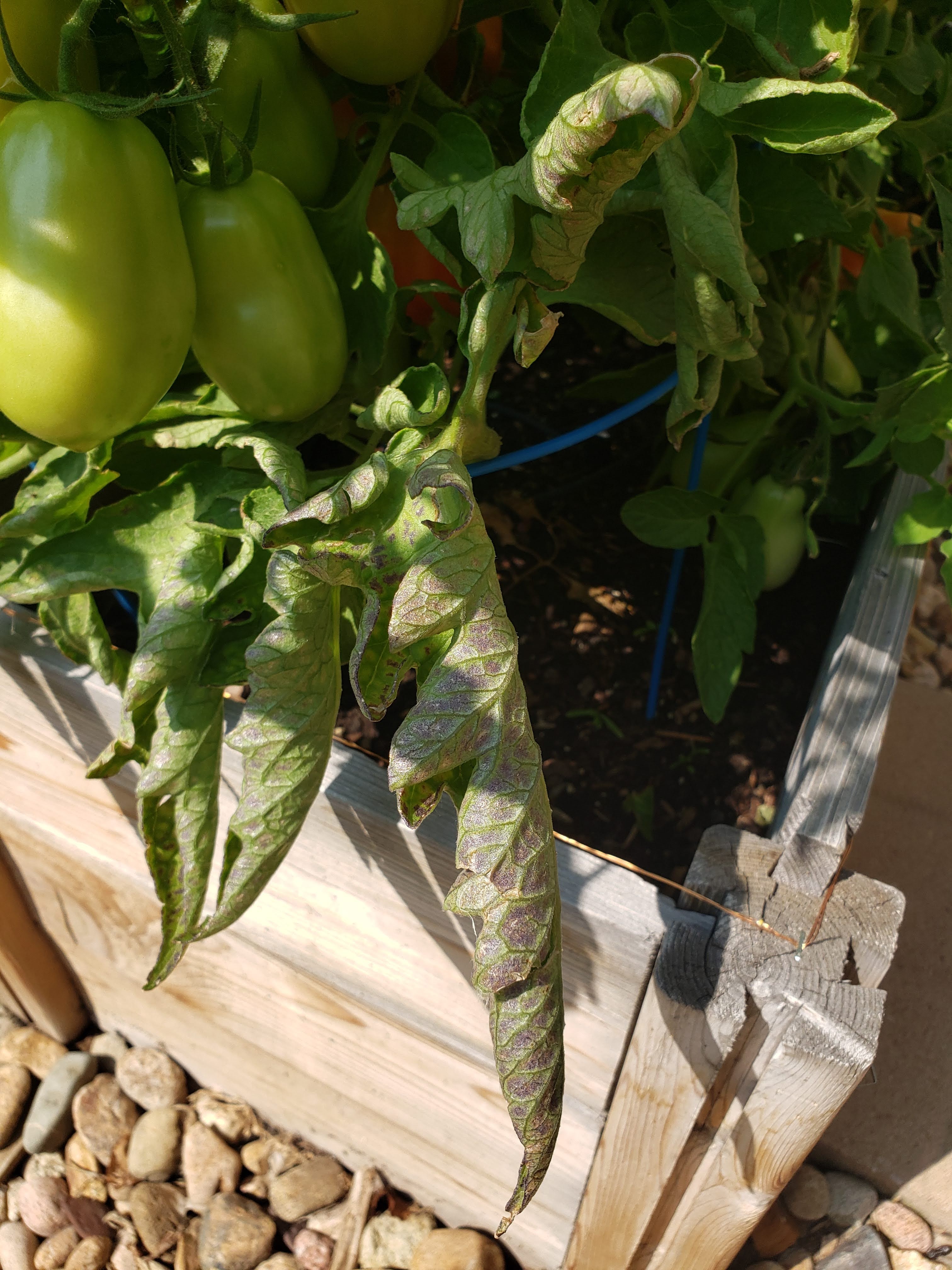
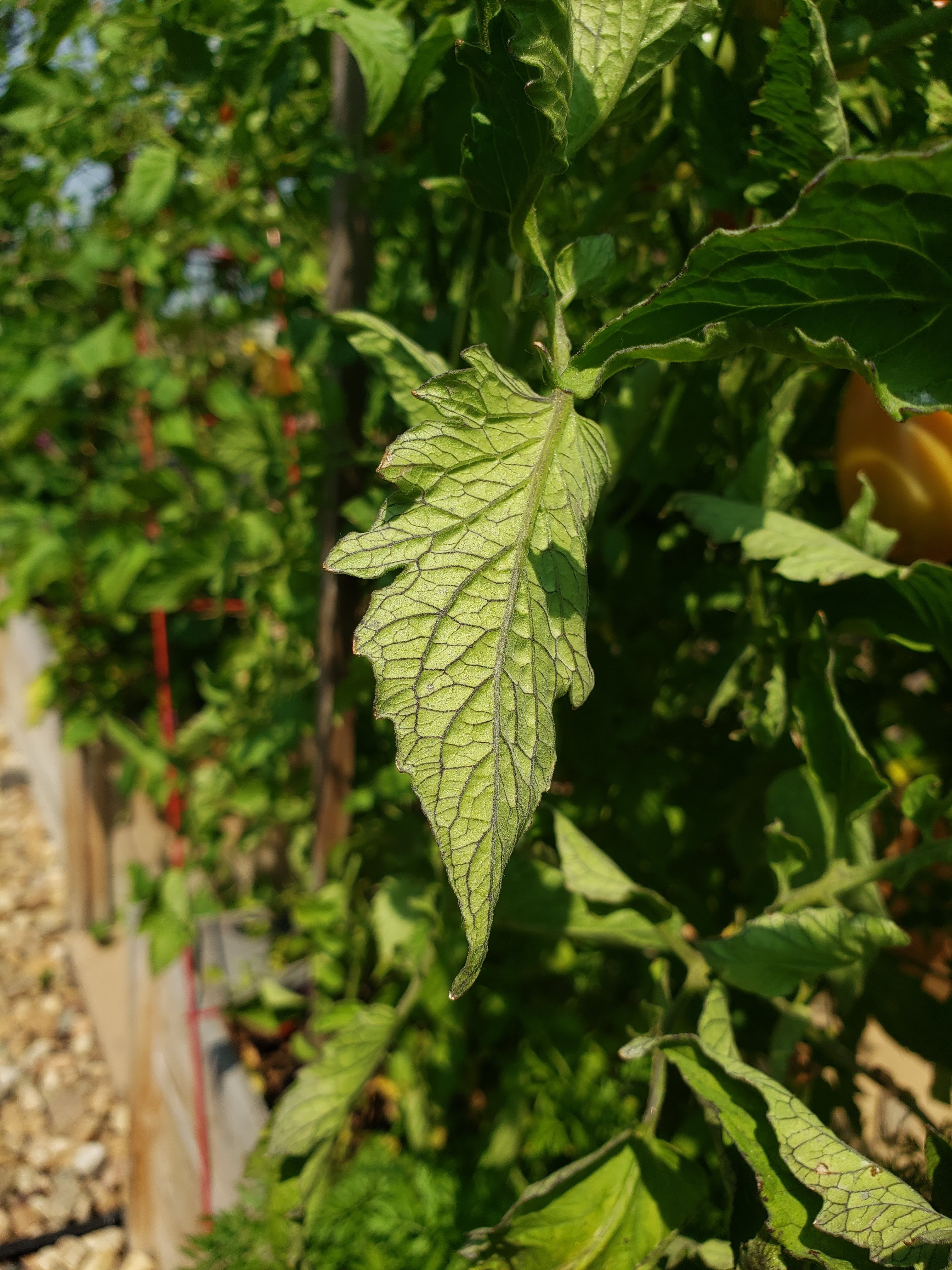
The three Romas next to the San Marzanos are looking kinda shitty, too. Their oldest leaves are curling with purple veins. I’ve read that the purpling is related to a phosphorus deficiency.

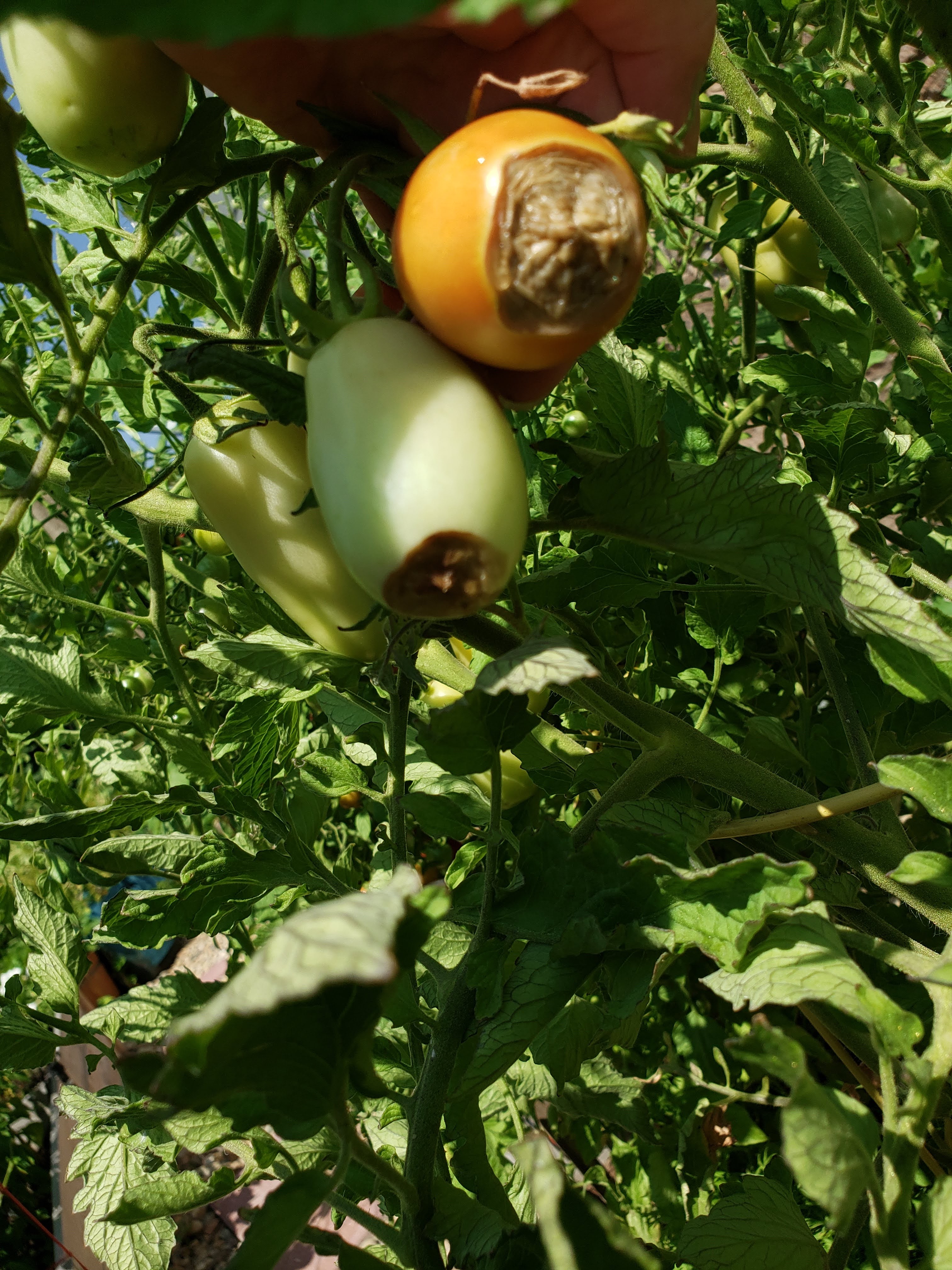
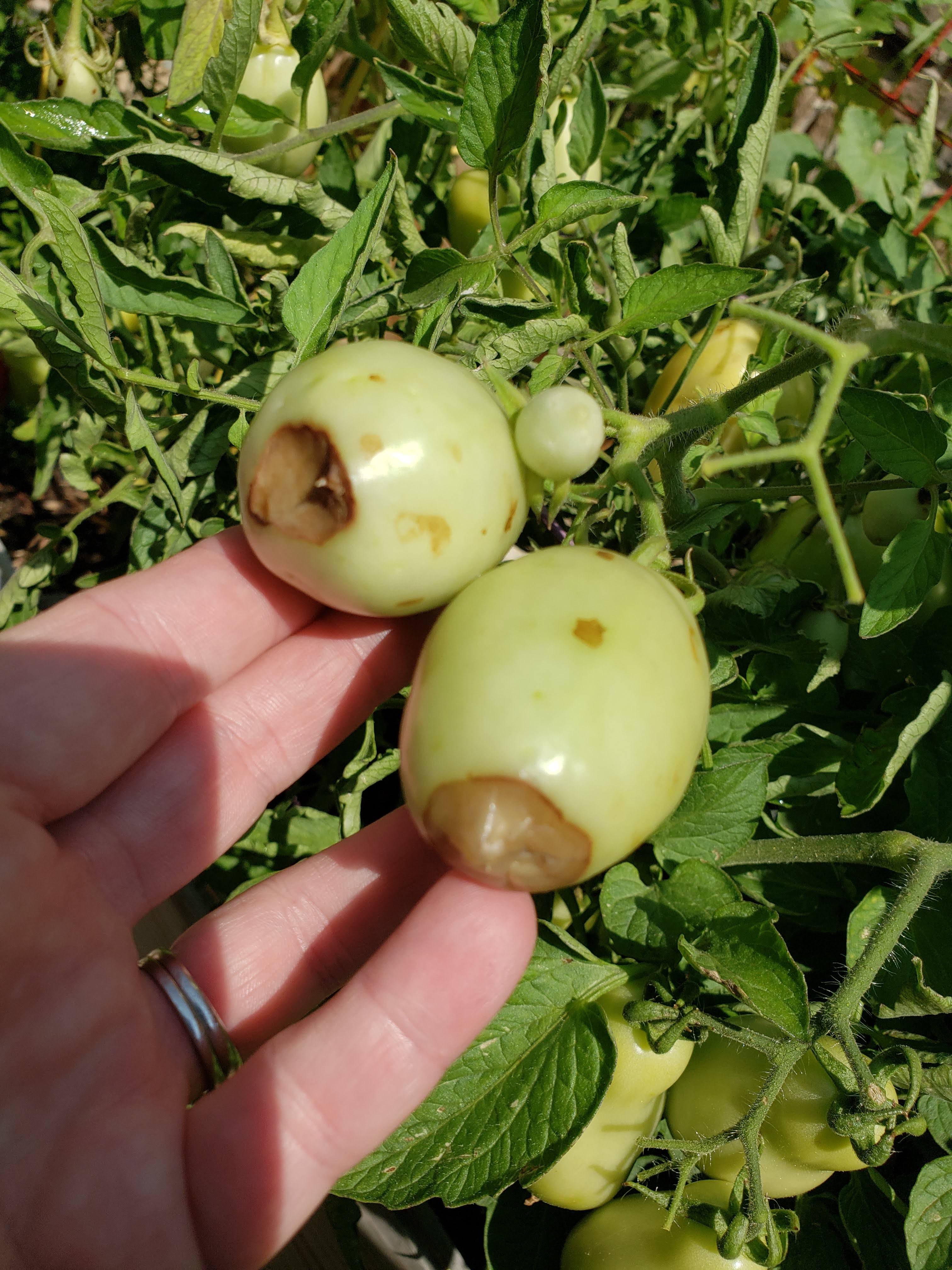
While doing this careful inspection of the tomatoes for symptoms of problems, I found a sure-fire indication of nutritional deficiency: Blossom End Rot.

Blossom-end rot (BER) is due to calcium deficiency in the tissues of the tomato. It’s most often seen in the first tomatoes of the season, and can be caused from overwatering, soil deficiency, or very rapid growth and inconsistent moisture. I’ve seen this in my garden before (I was horrified and disgusted!!), so I recognized this as a non-terminal issue, and one with an easy fix. I’ve read that you can still eat the BER tomatoes, but eww, I’m not willing to try.

So…having found a phosphorus deficiency and a calcium deficiency across my tomatoes, it’s clear they need some nutritional love. I had used my general Miracle-Gro tomato and veggie fertilizer at least once, but now will institute a weekly treatment to make sure. This should cover the phosphorus problem, as that is one of main ingredients at 18-18-21.

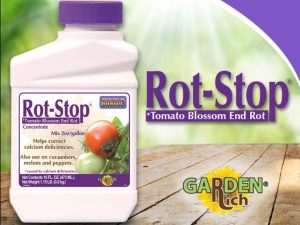
However, blossom-end rot is a calcium problem, and not addressed through my general veg fertilizer. Therefore, I will use a solution I picked up the first time I had the end rot problem:

I’m going out of town for a week, so I’m going to use these two treatments on the tomatoes, and see the results when I return! Here goes!

What’s STILL wrong with the potatoes?

So my beautiful potatoes were growing so well! Beautiful flowers, strong green leaves, huge tall stalks. Until they weren’t. In my last post about the potatoes What’s wrong with my potatoes? I discussed the treatment I was attempting.

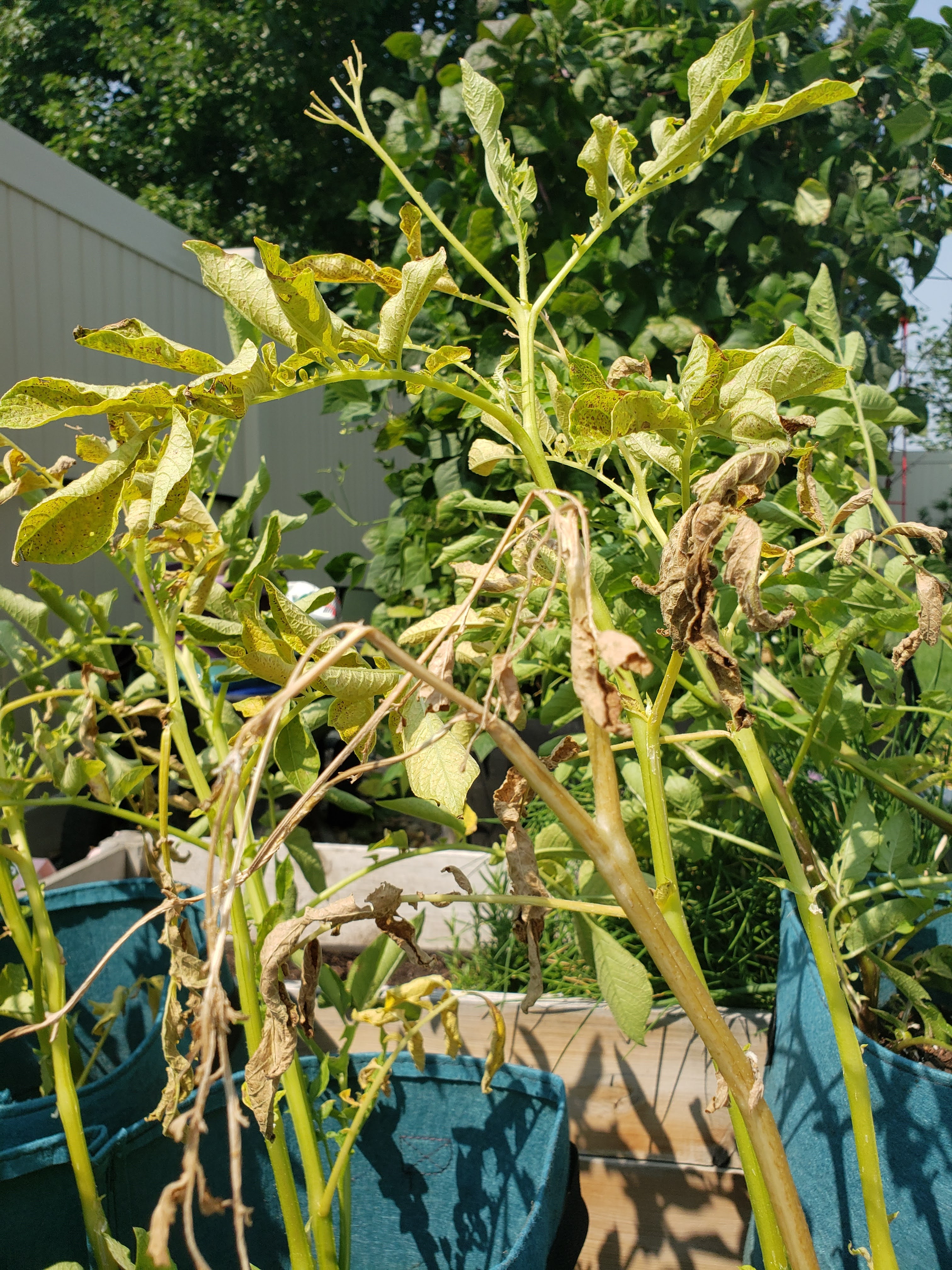
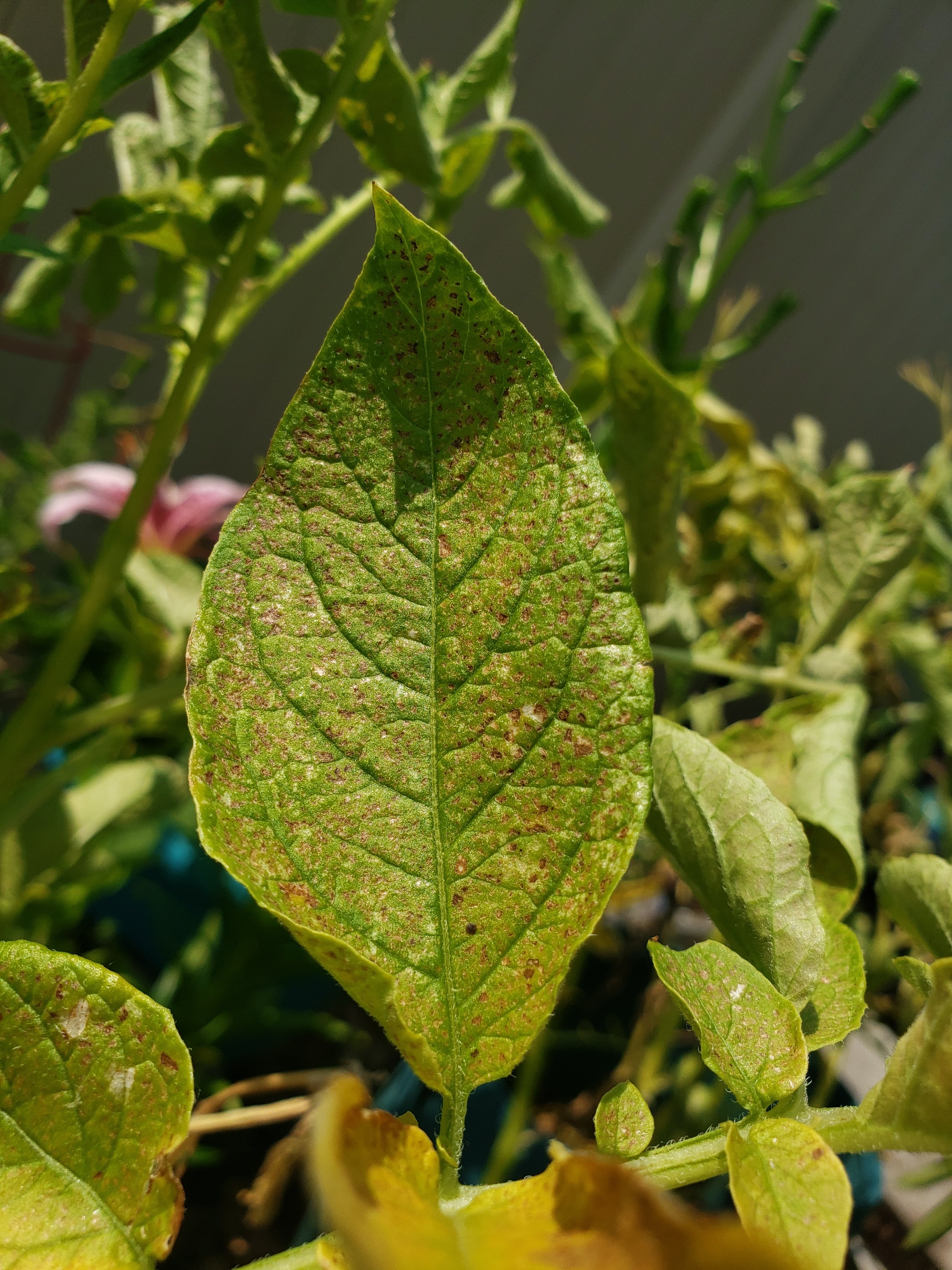
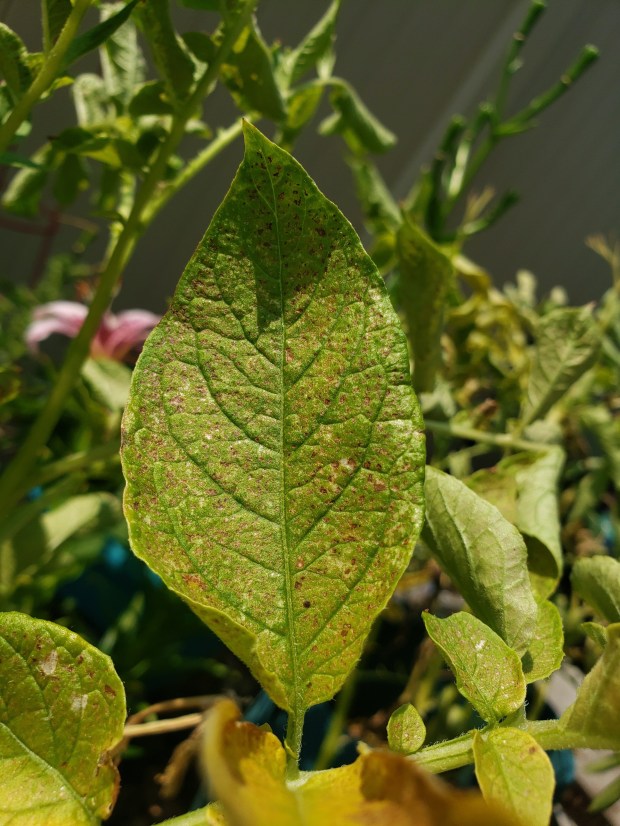
The leaves of my potatoes had started turning yellow with stupid purpley-brown spots. And the leaves went from spotted yellow to brown and fucking dead. My research told me that yellowing leaves, the oldest ones first, could be a nutrient uptake issue. And I hadn’t treated the soil with any fertilizer at all this season (I’m still learning about fertilizer).

So to try and fix the yellowing leaves, or at least stop the spread, I applied a standard Miracle-Gro garden fertilizer, and a magnesium (Mg) treatment. The Mg helps the plant to take in the proper nutrients from the soil. A deficiency of Mg means that even if the soil is rich and nutritious, the plant won’t be able to take in the treasure. It was a highly effective treatment for the Mg deficiency I experienced earlier in the season with my zucchini. See Something’s going on with the Zucchini.

More than two weeks later, there’s no discernable improvement, and in fact, the plants are very clearly dying.

When potatoes mature to the point of harvest, the stalks and leaves yellow and die back, so I’ve been trying to kid myself that it’s near harvest time. But NO. Die back should not be happening in July.

Shortly after the potato plant flowers, you’re supposed to be able to harvest some new potatoes from the potato sack. Because of this yellowing issue, I chose not to disturb the soil, and instead just checked for moisture problems. I was worried about overwatering because, to prep for an out of town trip, I had attached drip lines to water while we were gone. It’s handy to not have to hand water with the hose, so upon return, I left the drip lines in place.

All of my research is very clear about potatoes. Do not over or under water them. No shit.

It’s super fucking dry in Colorado, and the stupid-ass wildfires and global warming are not helping. To keep any plants alive in my garden, they must be watered AT MINIMUM once a day; to thrive, they need more than that. After seven years of messing with drip schedules, we’ve settled on a schedule that uses the least amount of water (we’re in perpetual draught here in the Front Range), and gives the most benefit. We water twice: three minutes at 6 AM, and another three minutes at 2 PM.

Point is, the potatoes are not UNDER watered.

So I had to check for overwatering. But how to know? I opened all of the sacks and found rich moist soil, but there was some white powdery stuff on th outside of the felt sacks (could be minerals from the water or could be a mold/mildew), and one of the sacks did seem too moist. But I don’t know for sure.

Needing to start somewhere, I chose a working hypothesis that the drip lines allowed me to overwater. But how? These plants are huge, they should be sucking up every last drop. But they don’t. Because they’re fucking dying.

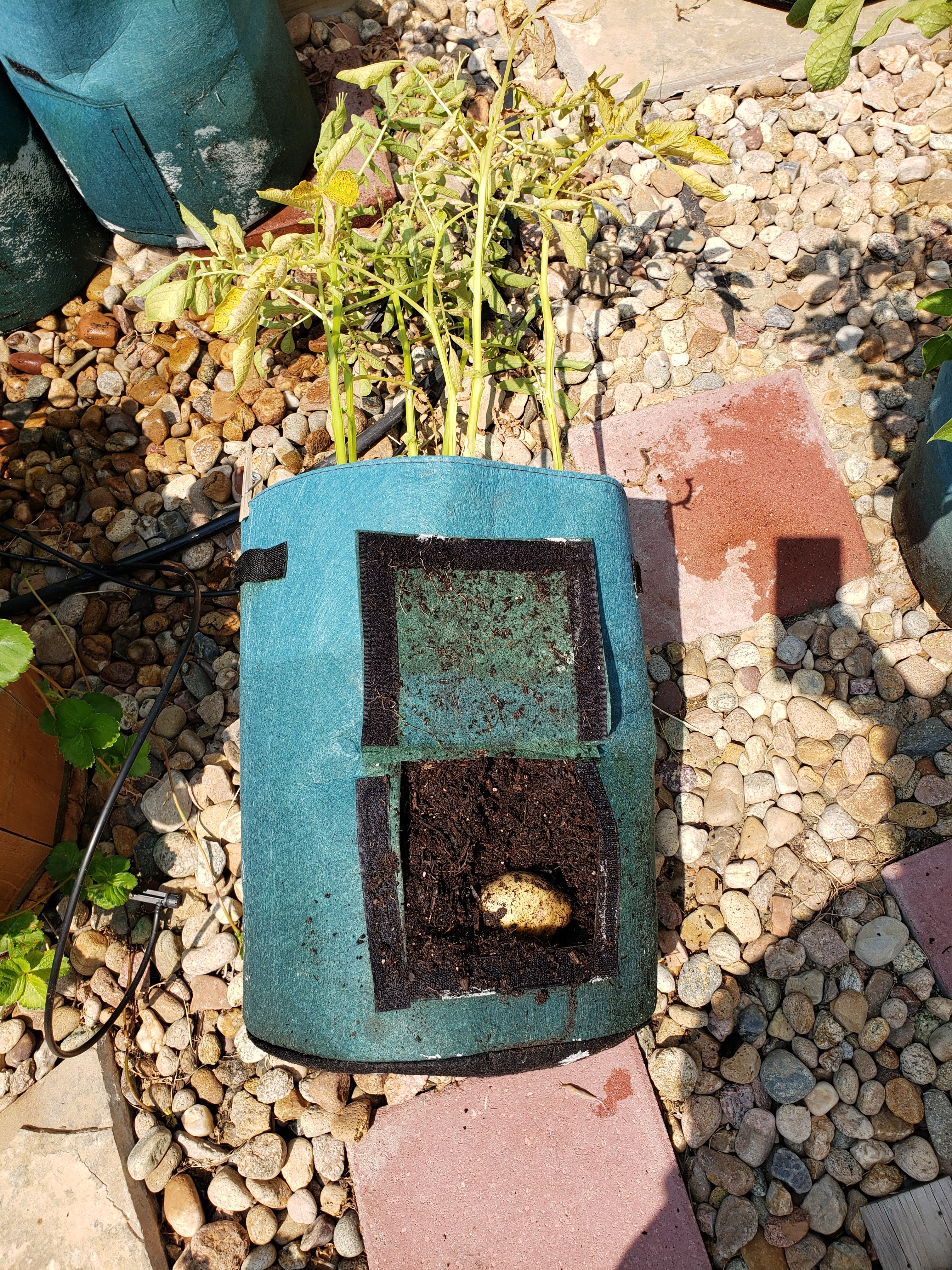
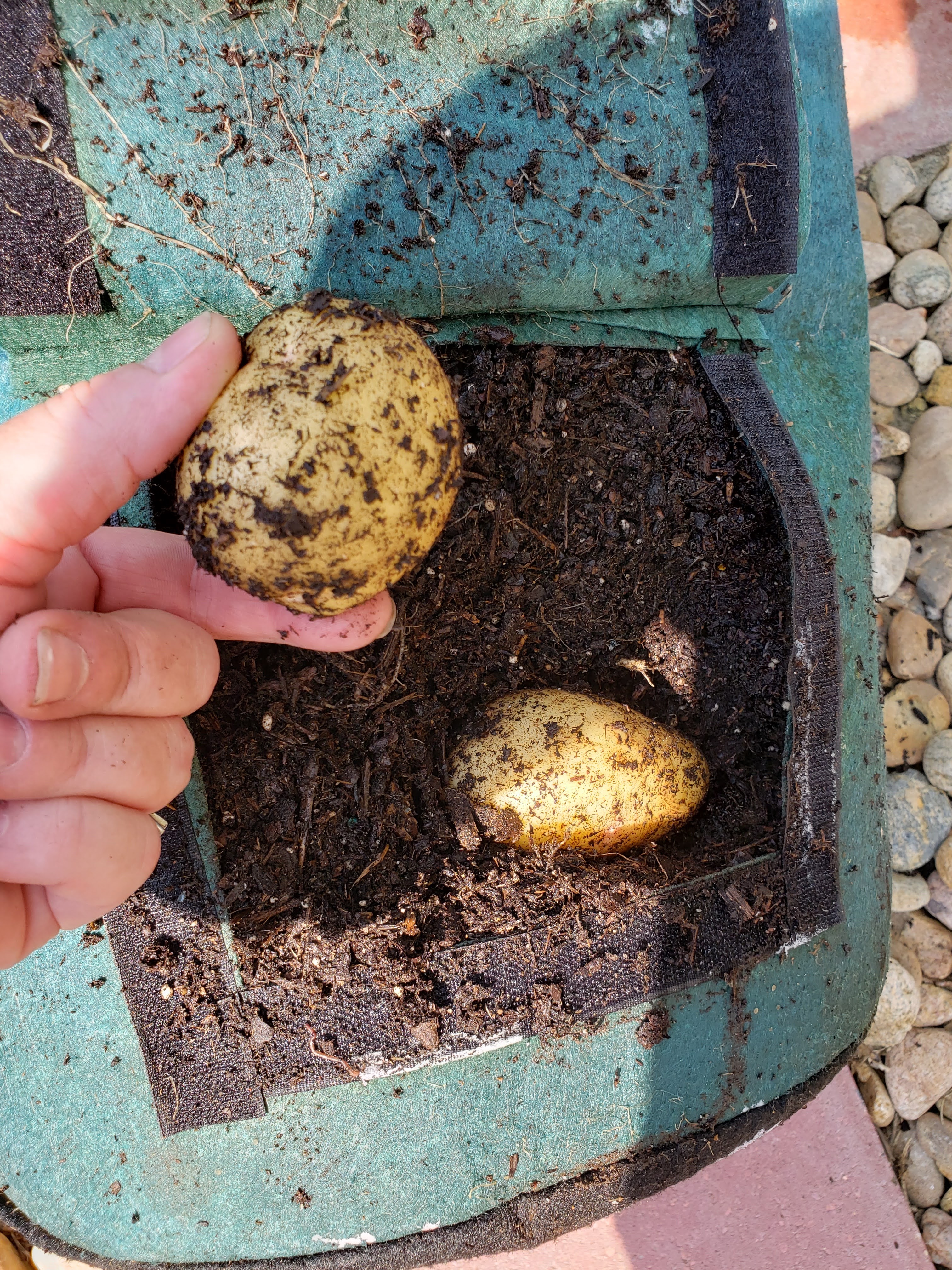
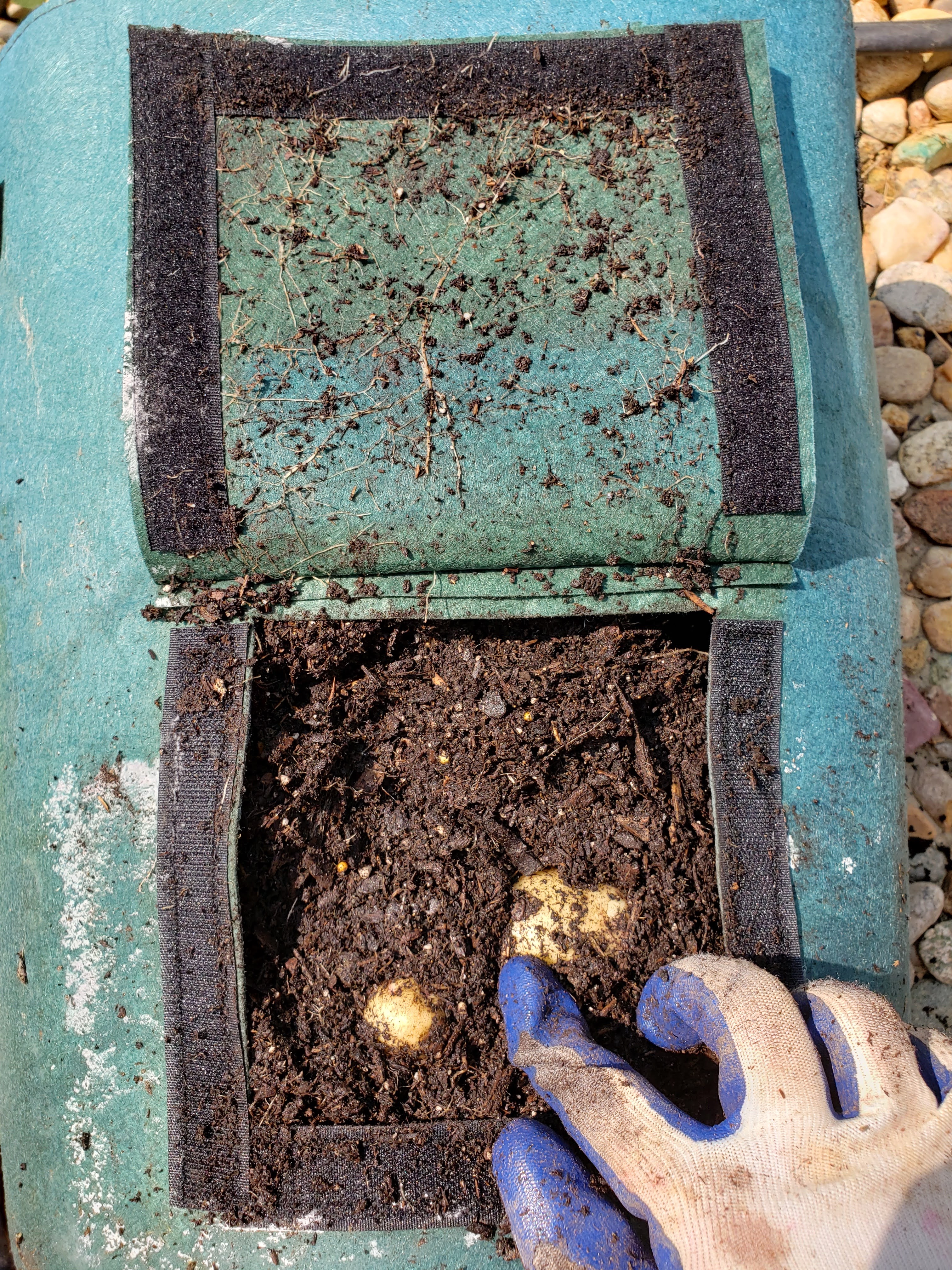
Now that I have a hypothesis to test, I needed to do some testing. First, I looked inside the bags to observe the soil moisture and root systems. Here’s what I found when I dug around:

To my shock, I found several lovely firm beautiful potatoes! They’re drying on my counter, and I haven’t eaten or cut into them yet, so I don’t know what they look like inside.

I felt around for more and smaller tubers in the bags, and didn’t feel much of anything except roots. I went ahead and pulled the potatoes I did find, because I am not optimistic that there’s more coming, and I don’t want the ones I have to rot in the bag.

But back to what’s wrong with the little fuckers.

Having investigated the soil in all the bags, I replaced everything back to their positions minus my little treasures, and waited 24 hours to dry out the soil. The bags dried out quickly, and I’m back to hand watering – just a little bit, so I can make sure not to make them too moist.

But folks, that’s not the problem. I still have one nice green potato plant, it’s the purple variety of seed potatoes that I picked up on a whim from Lowe’s in the spring. The other four bags are the Yukon seed potatoes I ordered from Gurney’s back in February.

Here’s the thing. It’s best to use seed potatoes because the seed companies make sure the seed potatoes are blight and fungus free. Well, they try to. And because all of my seed potatoes are from reputable seed places, I haven’t considered blight or fungus as a real threat. But after my initial investigation, and with further research, I sadly have come to believe that the Yukons (four of my five potato bags) are plagued with Shit Spot. Oh, I mean Brown Leaf Spot.

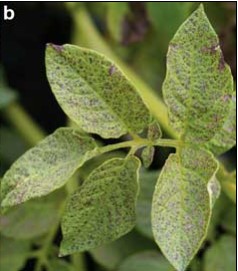
I did a whole bunch of research, and this article has me close to convinced, because of the picture of the leaves. These leaves look just like mine (the brown spots were all purpley just a week or so ago):

To be honest, I don’t actually know what’s wrong with these potatoes, I’m just using the science techniques of literature review, testing hypotheses, and data collection. There’s a real possibility that the problem could be Verticillium Wilt or Fusarium Wilt, both of which are common fungal issues, and of which, my potatoes have several of the same symptoms.

I’m not a botanist or master gardener, so I’m having a hell of a time diagnosing the problem with any certainty. One of the reasons I can doubt the Brown Leaf Spot diagnosis is because my research says that it will cause reduced crop, like around 10%. But what I’m seeing from my actual plants is something far more devastating, which leans me towards the fungi or a bacterial wilt. For a few minutes, I was actually sure it was bacterial wilt.

Well, sonofabitch. If the problem is Brown Leaf Spot, then my research says it can be managed with a couple fungicides for the rest of the season, but my research results have yielded information primarily for farmers, not for the home garden, and not for potatoes in containers. And, at this stage of progression, even if I can keep the plants alive, there’s not enough time in the season for growth of a real crop of potatoes.

The other possibilities of wilts and bacteria will simply be the end, and will require me to destroy the plants and fallow the soil for years. Fuck a duck.

So, what am I left with? A handful of yummy new potatoes, and 4 containers full of tainted-ass potato plants, and no real solutions.

My plan: The one remaining healthy-looking bag will remain, and I’ll keep my fingers crossed for some yummy purple tubers in the fall. For the other four bags, I’m going to keep hand watering as necessary, until they finish dying. Just in case there’s another edible potato or two to come. At the end of the season I’m going to dump the bags and the soil entirely, maybe even burn them all (burning everything is one of the requirements for farmers who have blight), and start all over again next year with new bags, new soil, and new seed potatoes. Grrr, fucking pesticles!!! I’m really bummed out about this. Potatoes have been so easy to grow in the past, and so very very yummy!

Hey Good Lookin’, Watcha got Cookin’?

In July, the rewards for our patience, love, and care are becoming visible! It’s devilishly hot out, but in the shady calm under the chlorophyll canopy, treasure is growing.

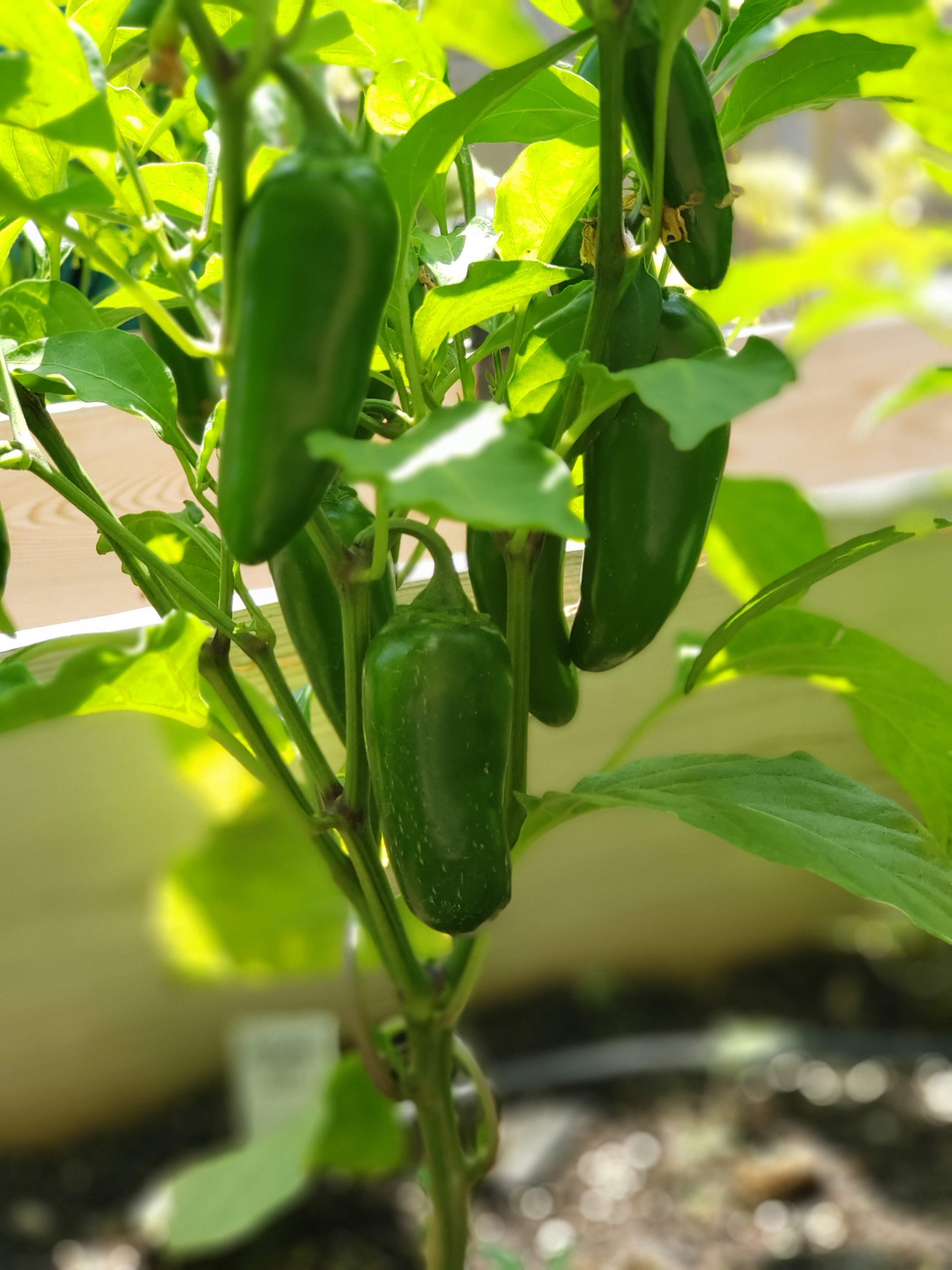
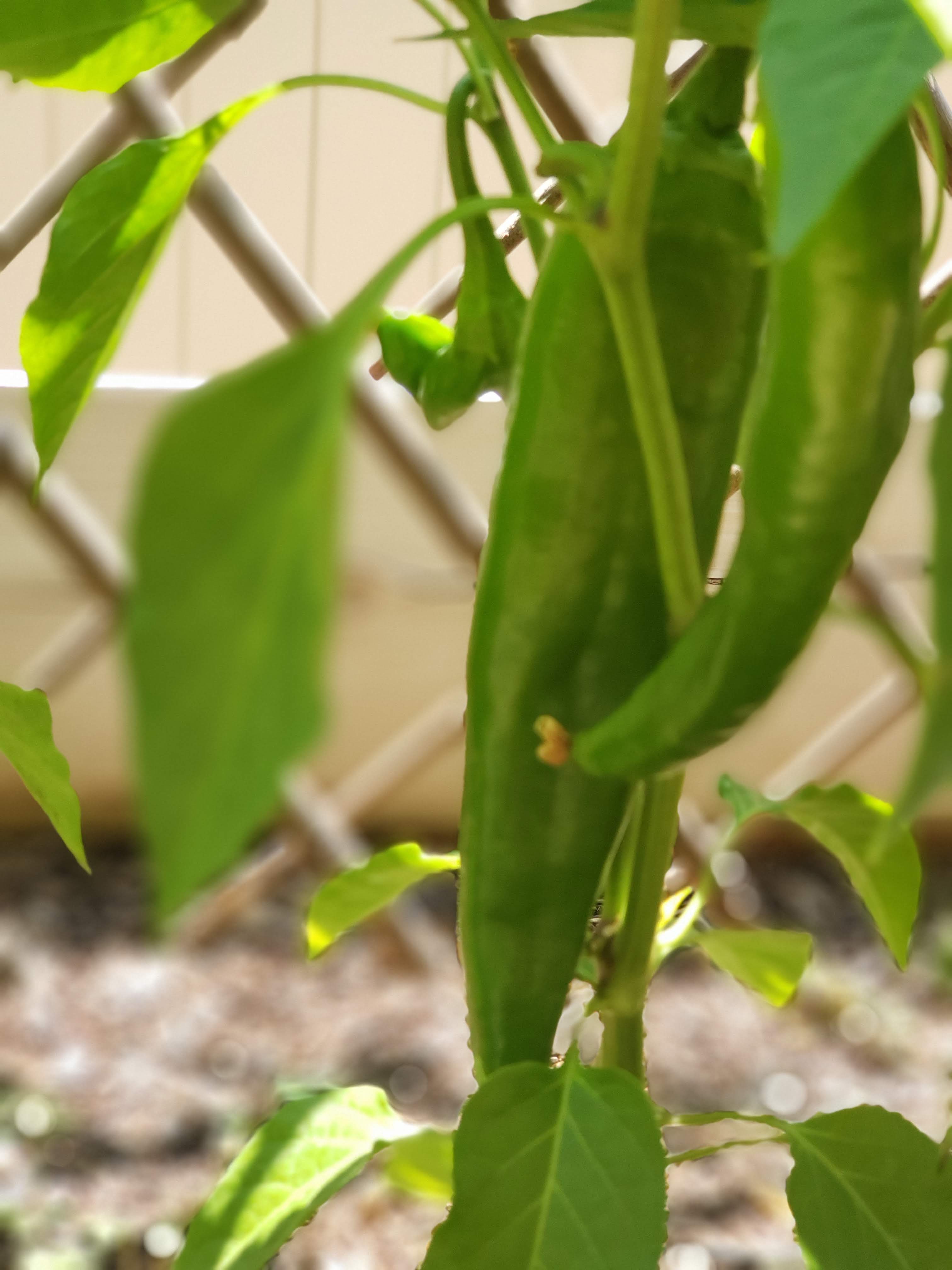
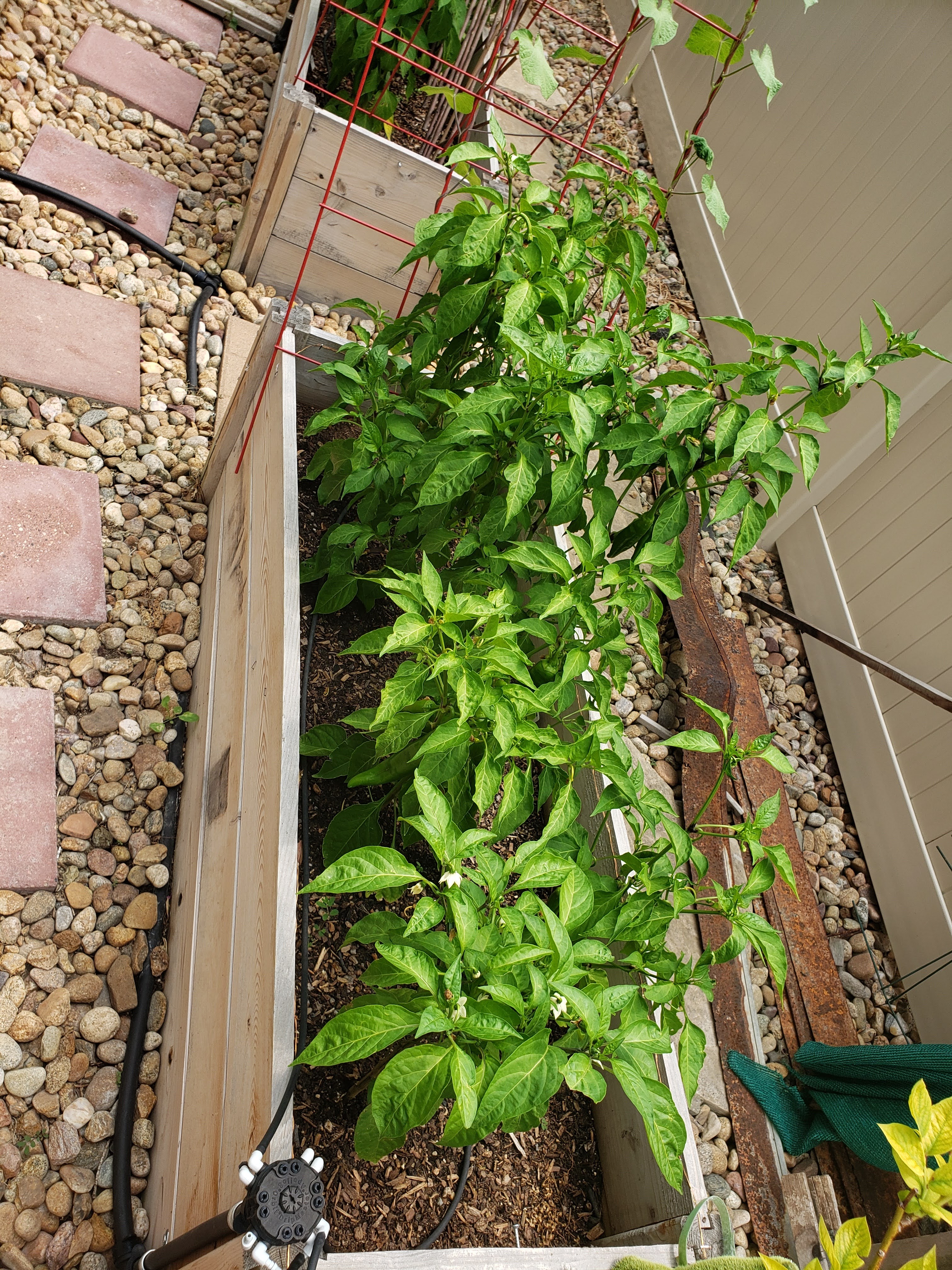
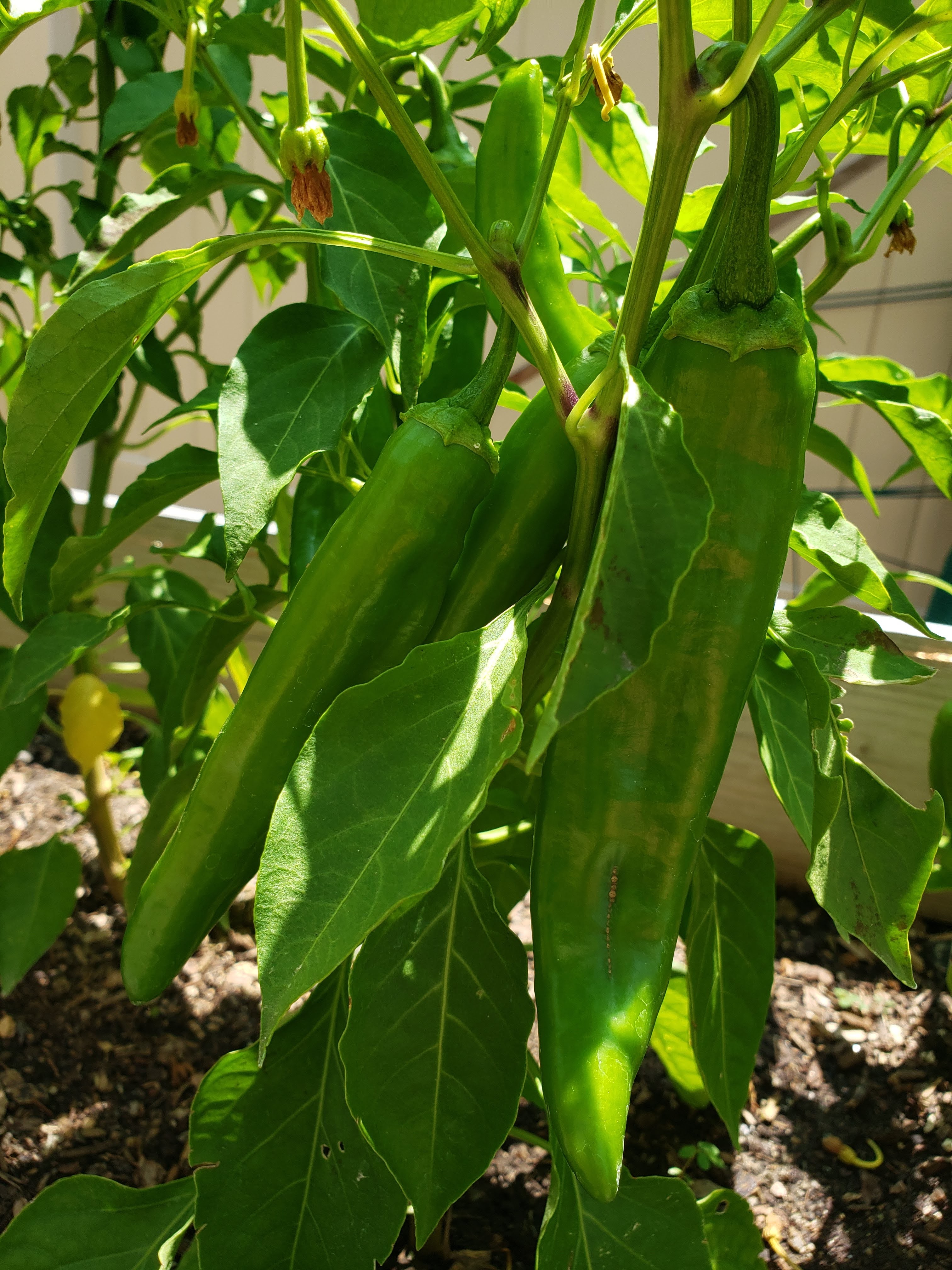
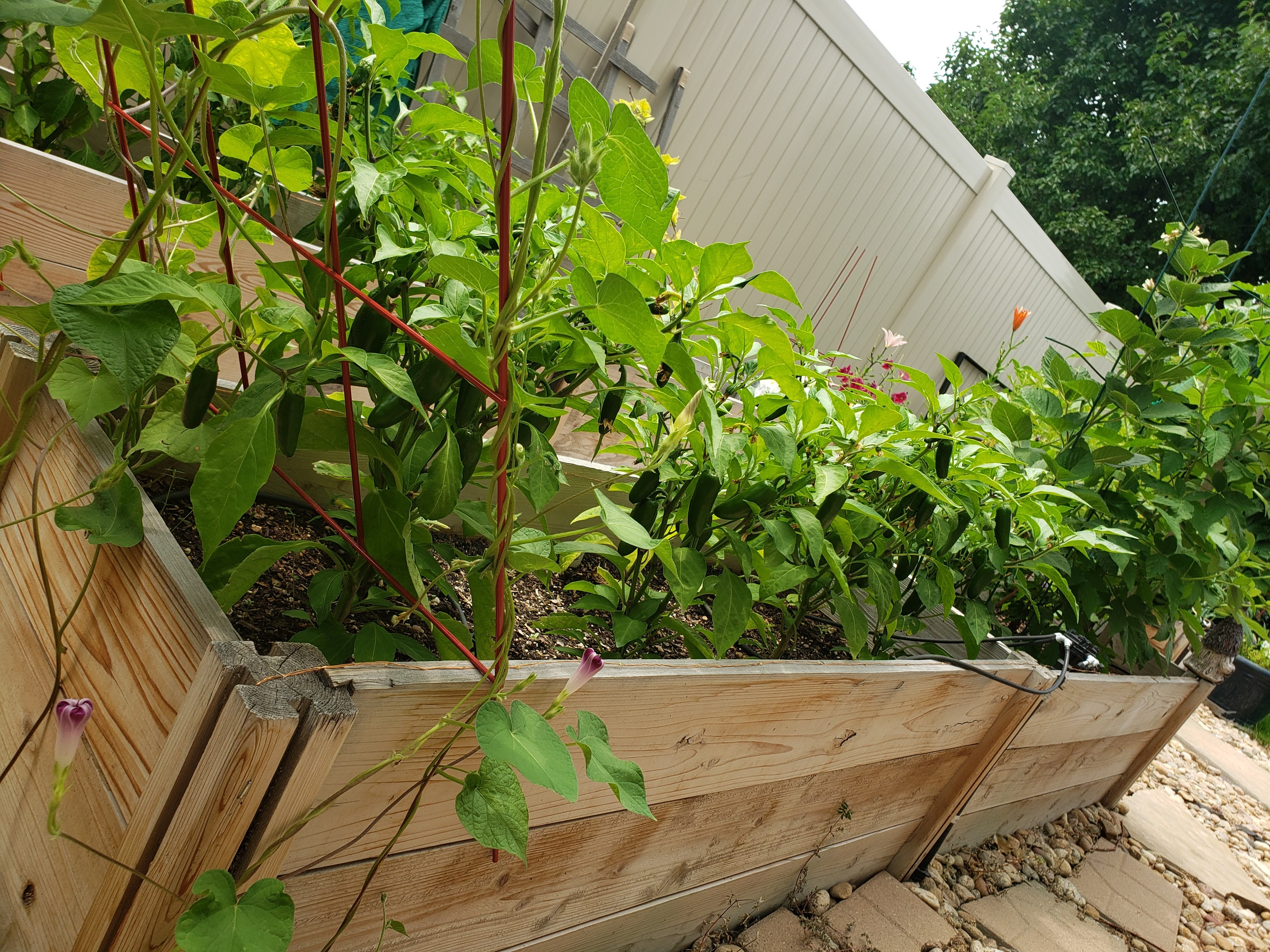
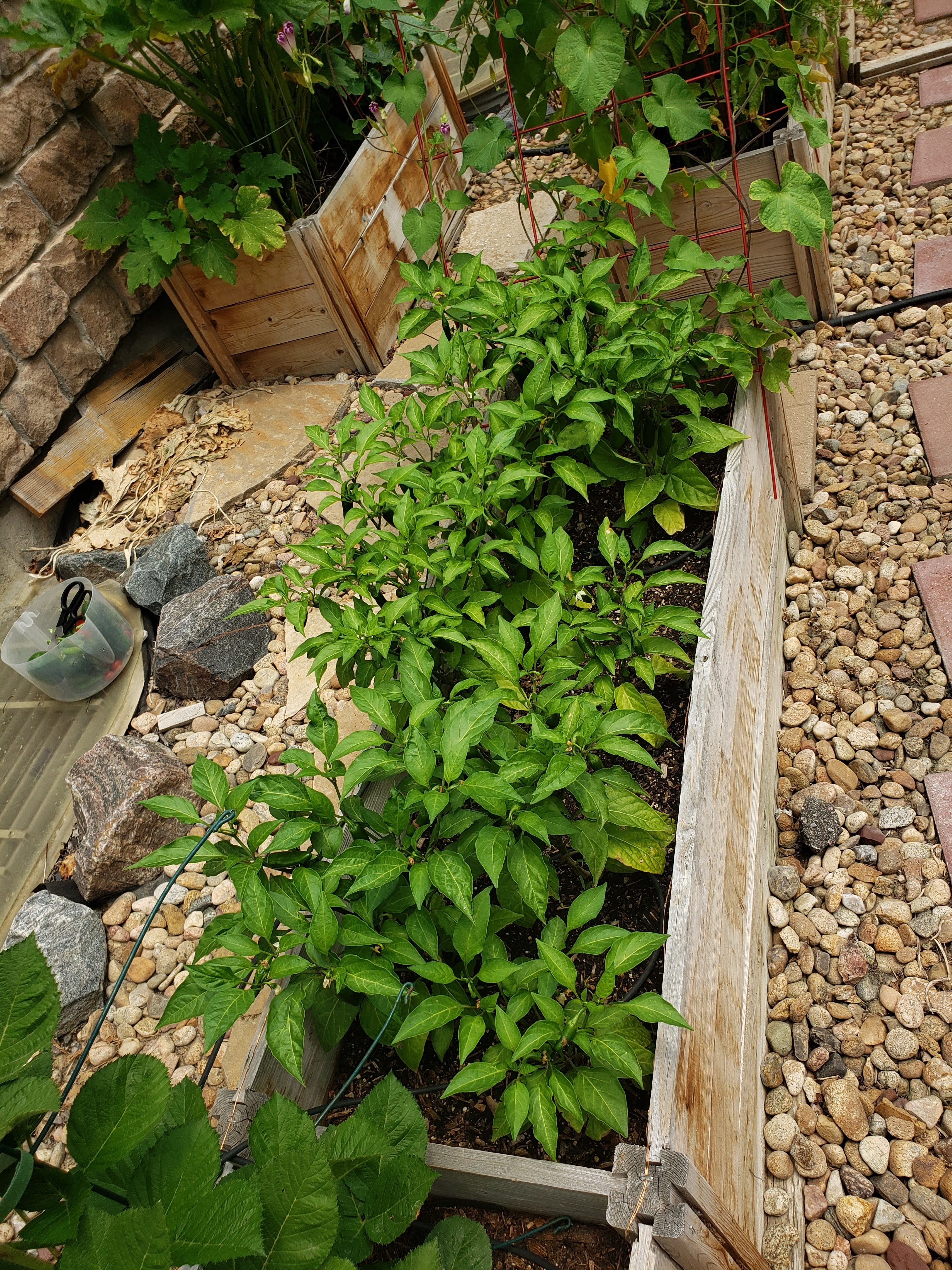
My family LOVES peppers. This year I’m growing bell peppers, mini bell peppers, Anaheim peppers, Thai chiles, ancho poblano peppers, and jalapenos.

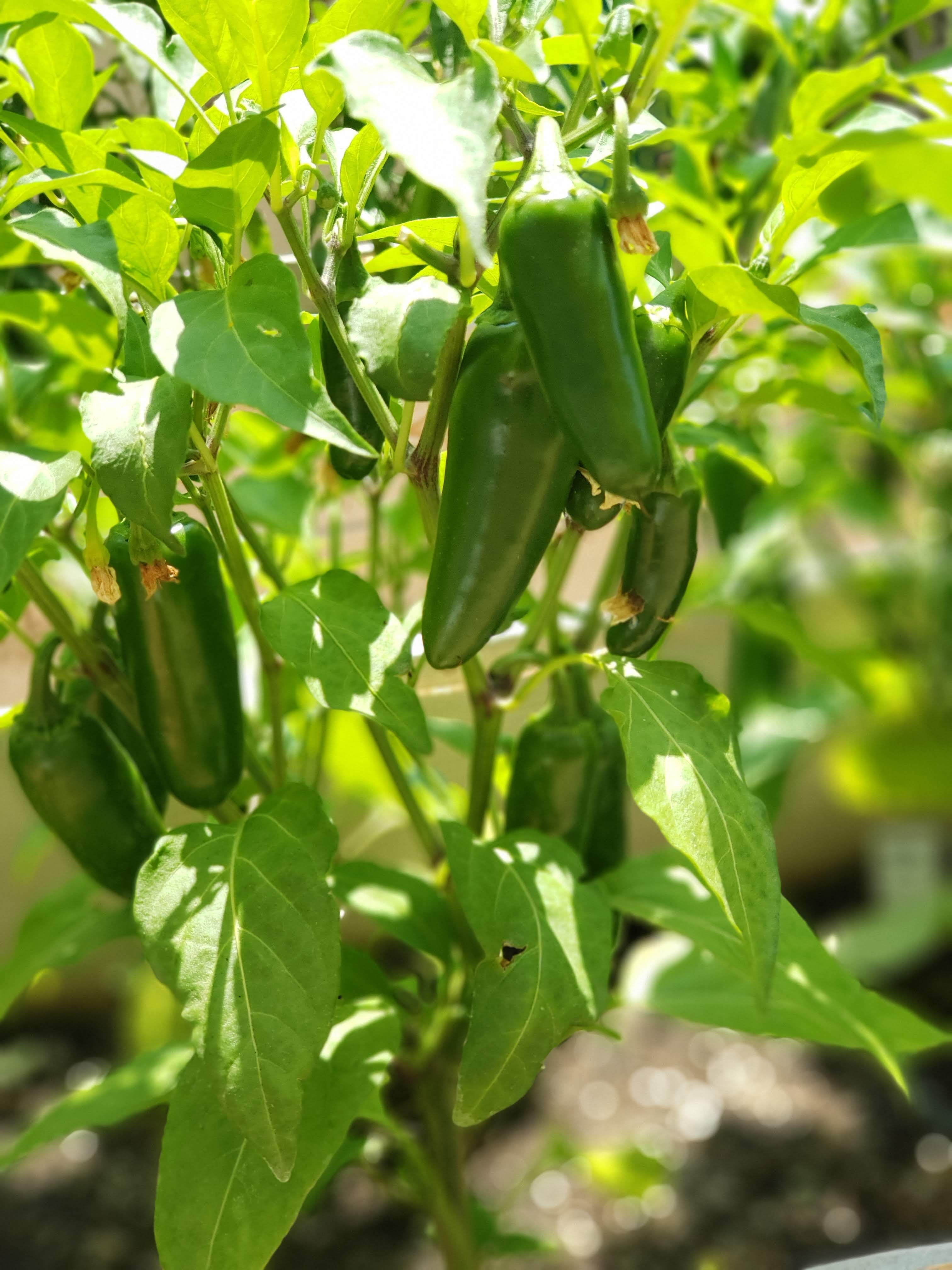
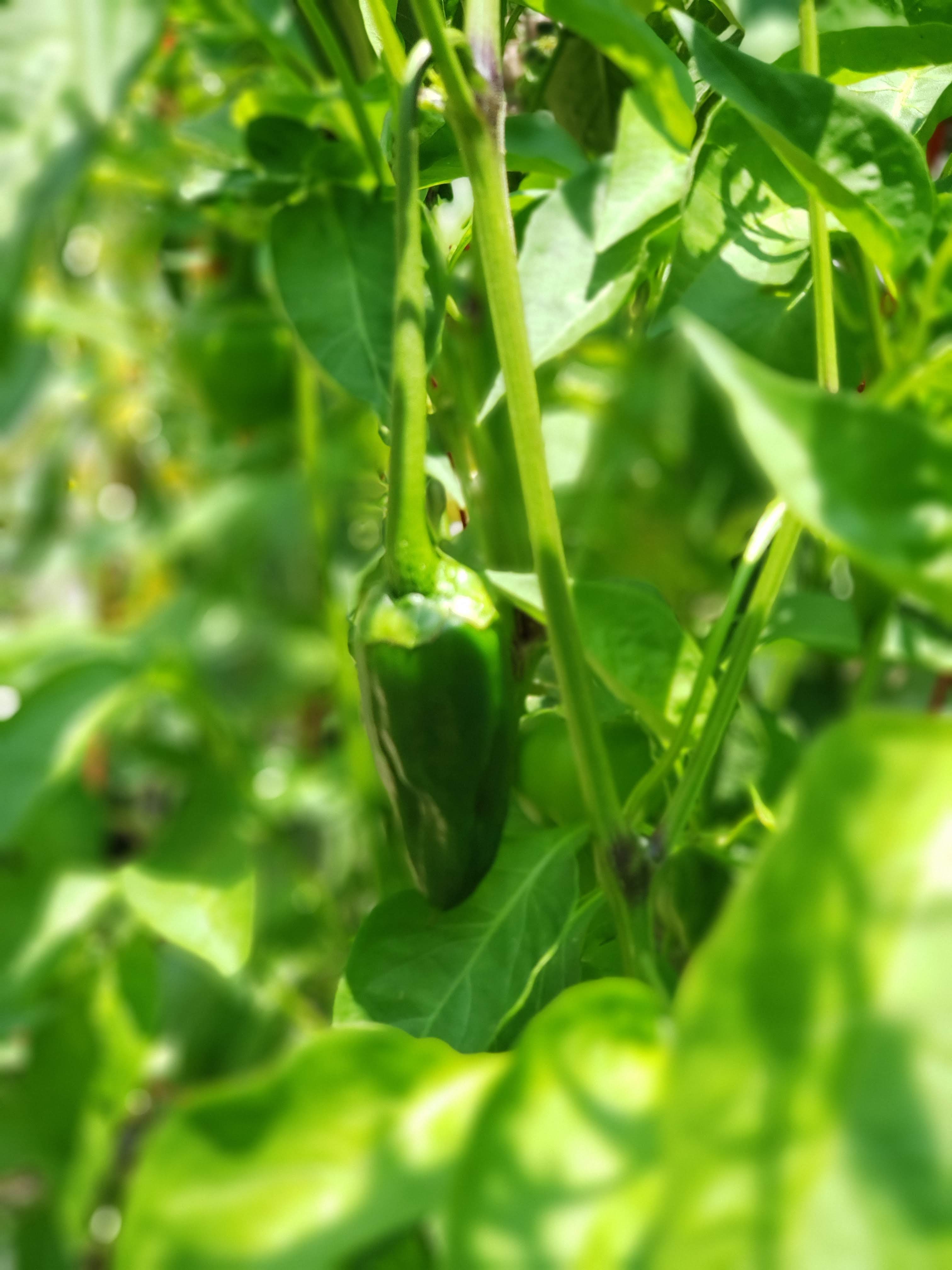
The best part of summer in the garden is the bounty! I love watching everything get bigger and more ripe until harvest. This summer seems to be cruising by, because so many of my peppers are at or near maturity! Here’s some eye candy:

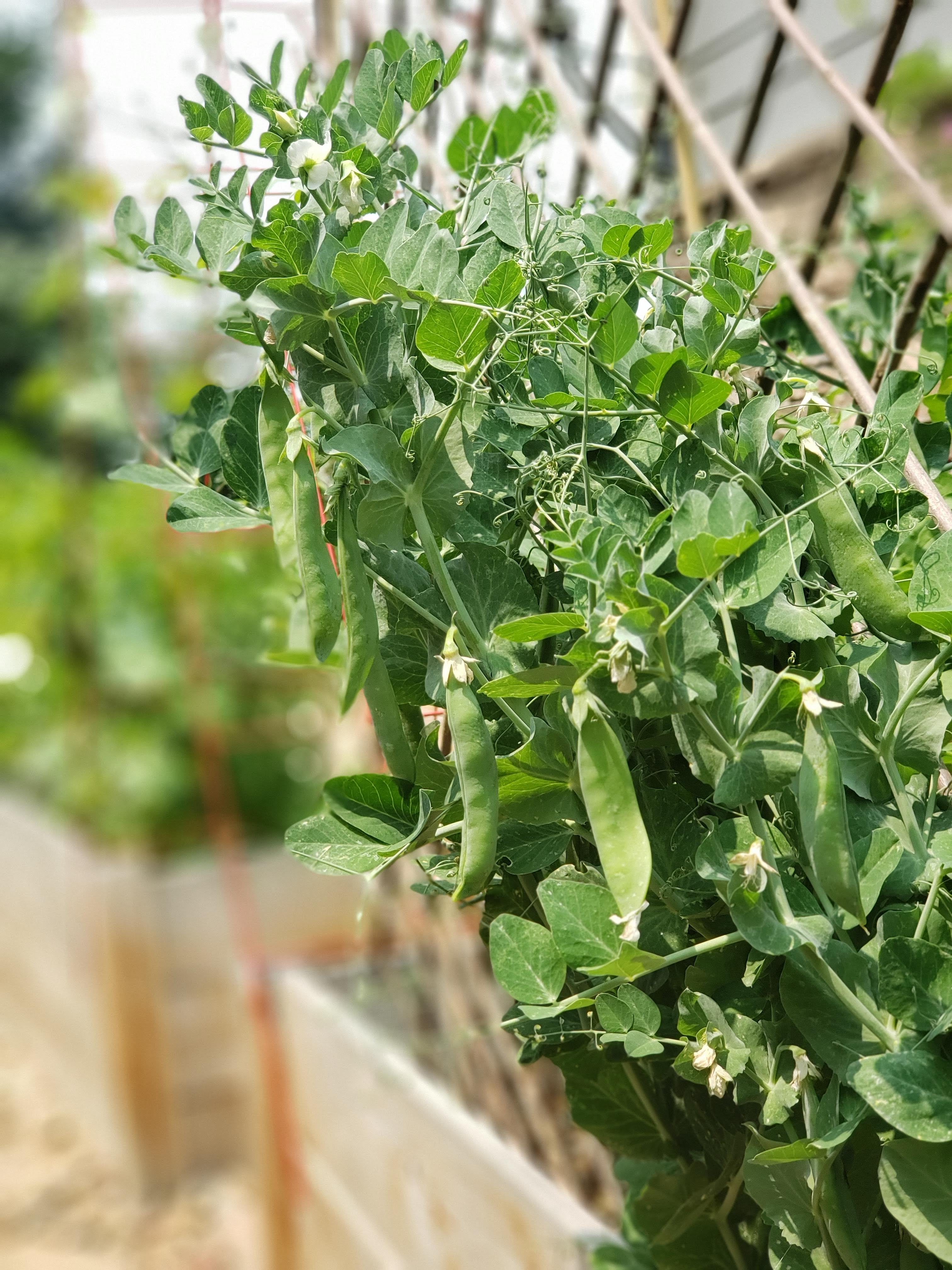
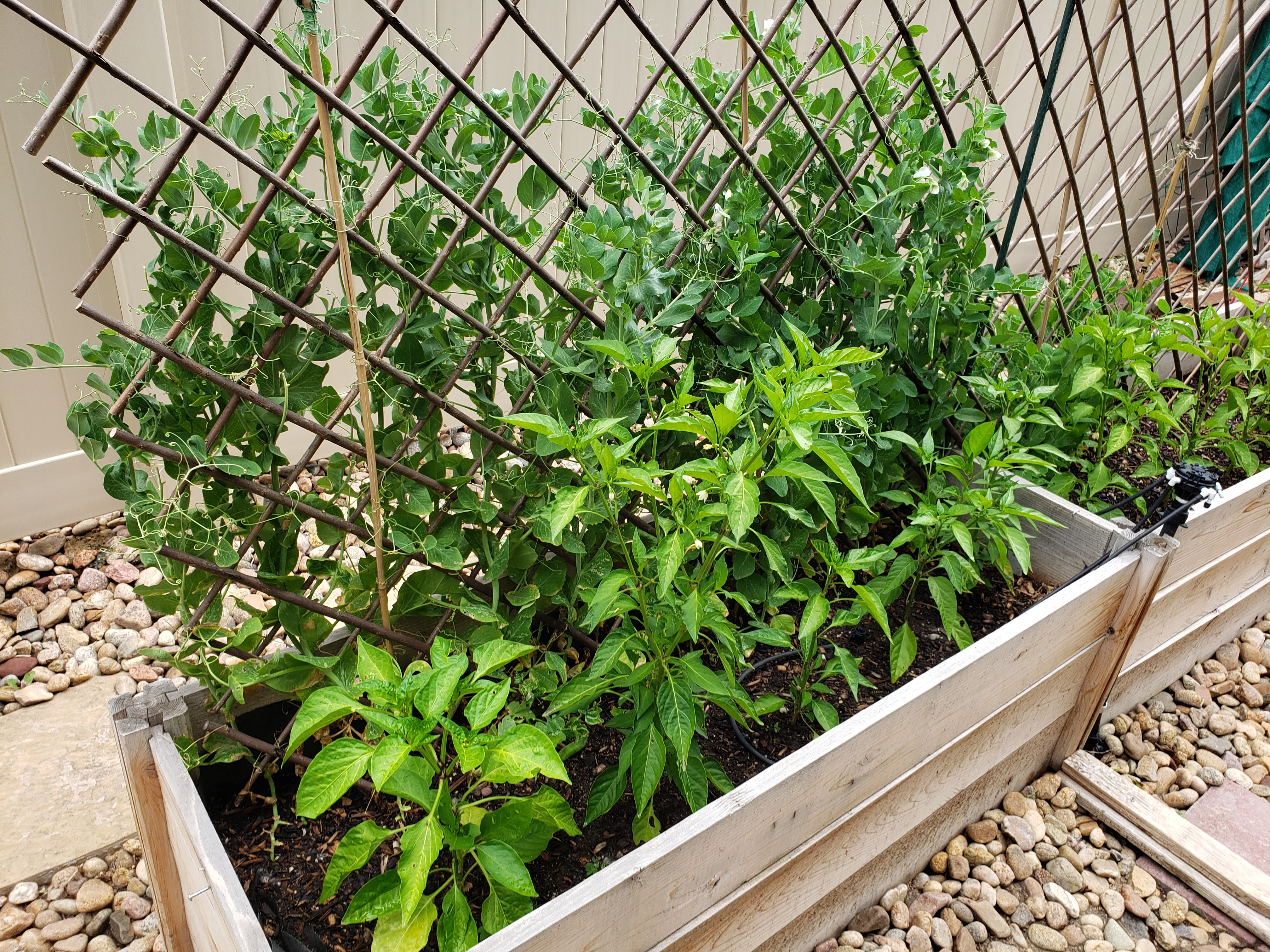
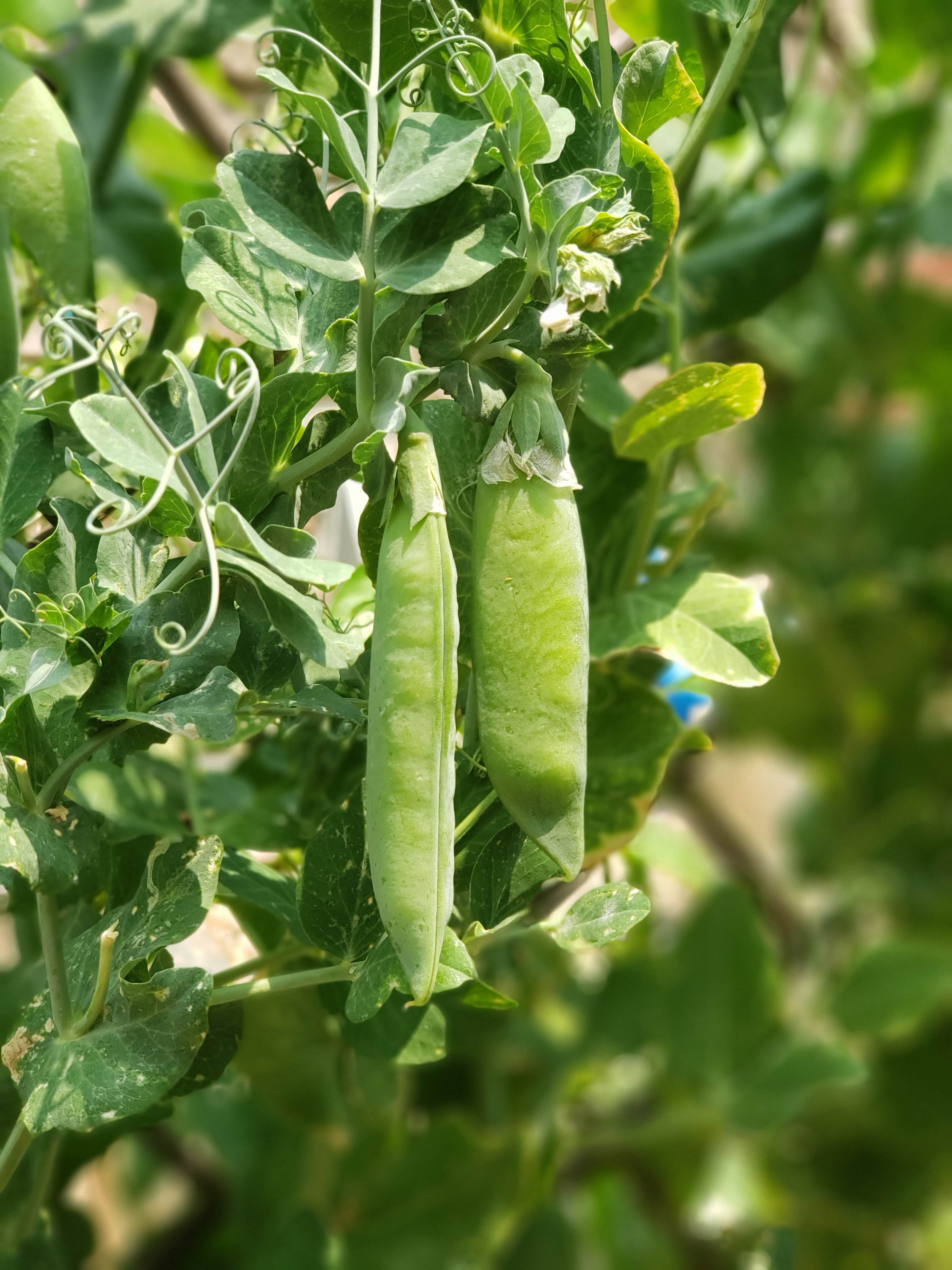
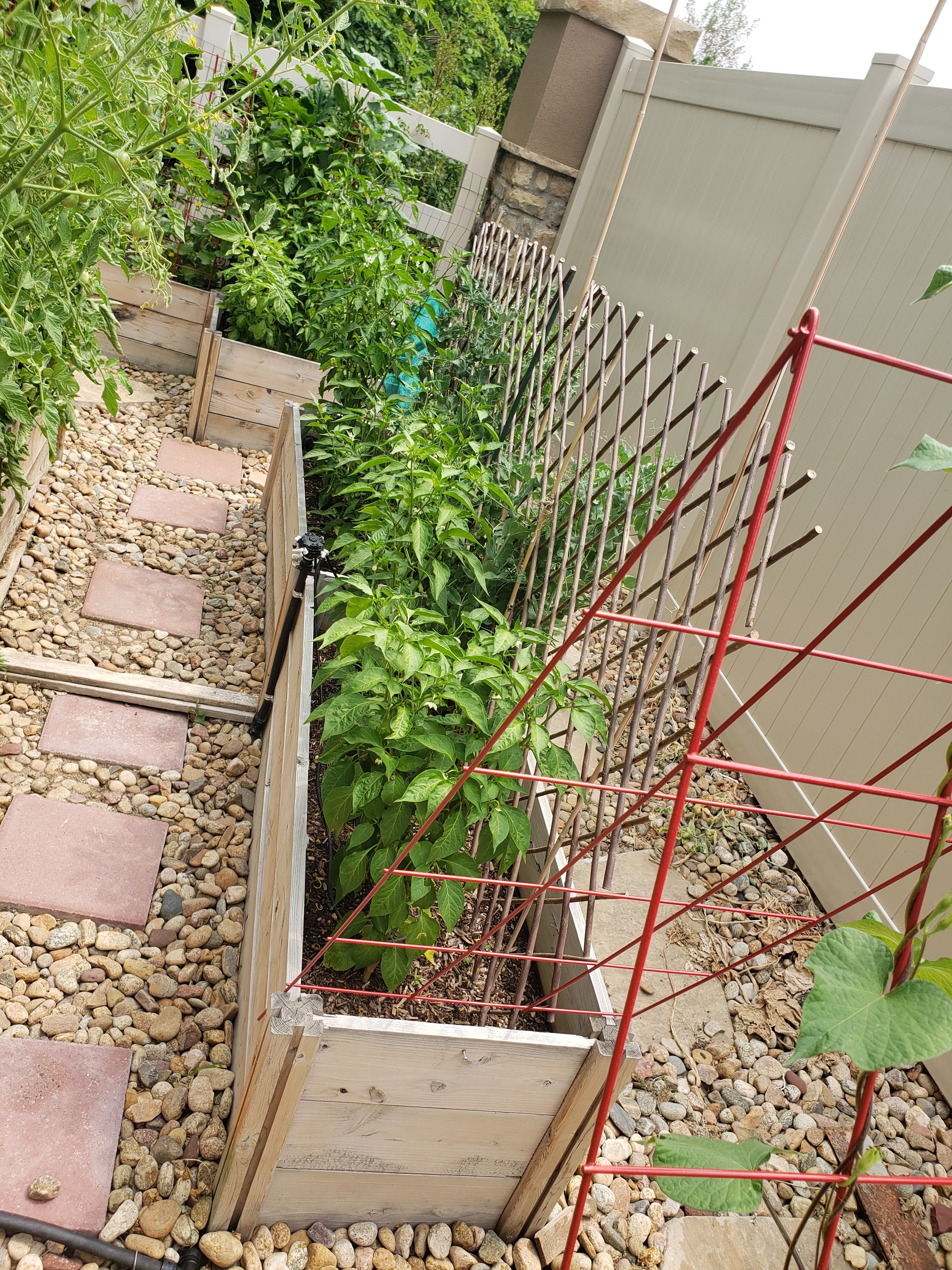
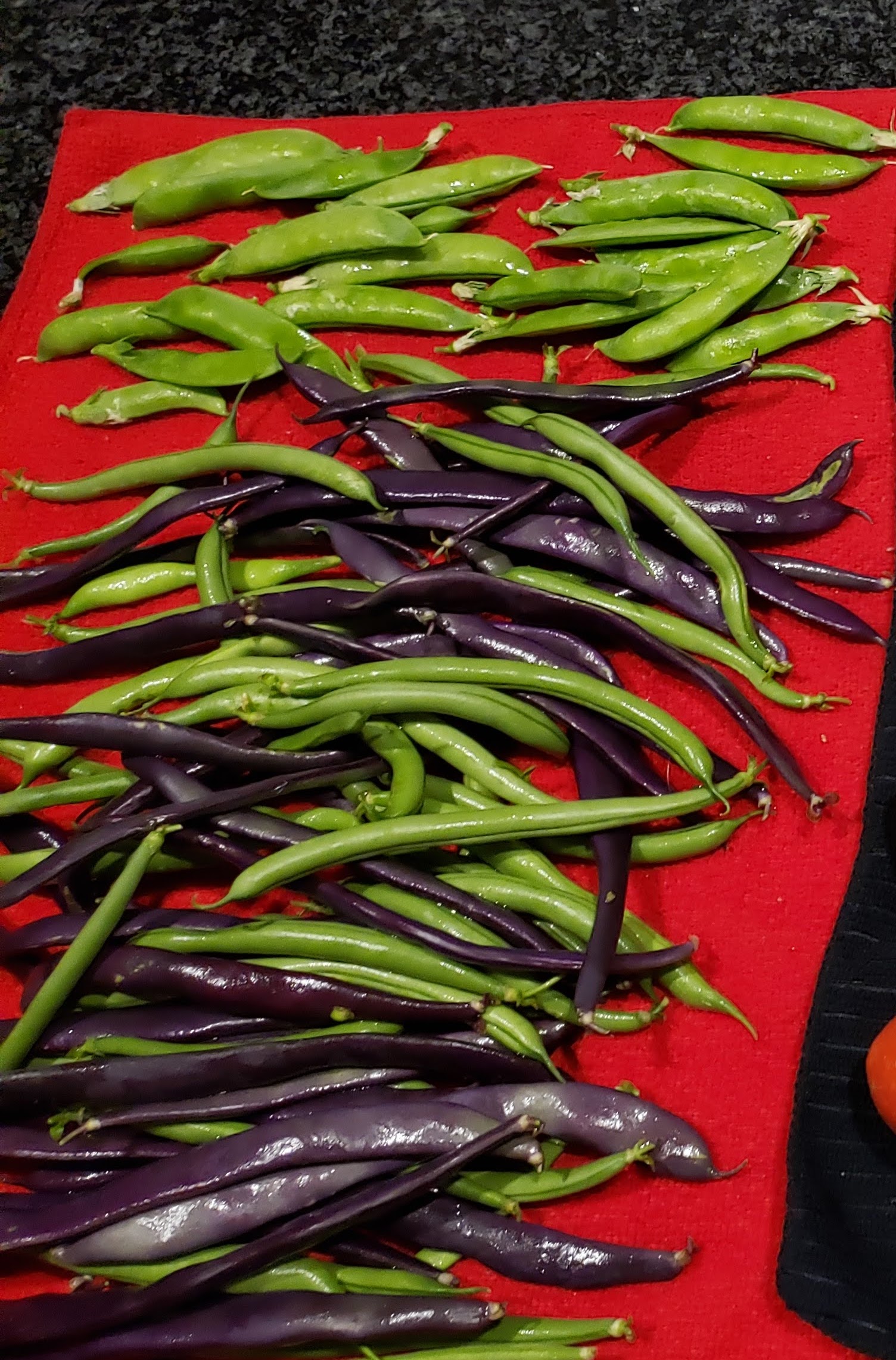
I also grow peas, and this year I tried out a new trellis that I really like. I ran this expandable trellis down one of my pepper boxes, knowing that the peas would be done and coming out of the ground by the time the peppers need the space.

I’m not a huge fan of peas, myself, but my children will eat them like candy. They’re a fun-to-eat side with dinner or an easy afternoon snack. My kids just get a big ole pile of pods, and enjoy popping the shells and picking out the treasure. No cooking required! Nom Nom.


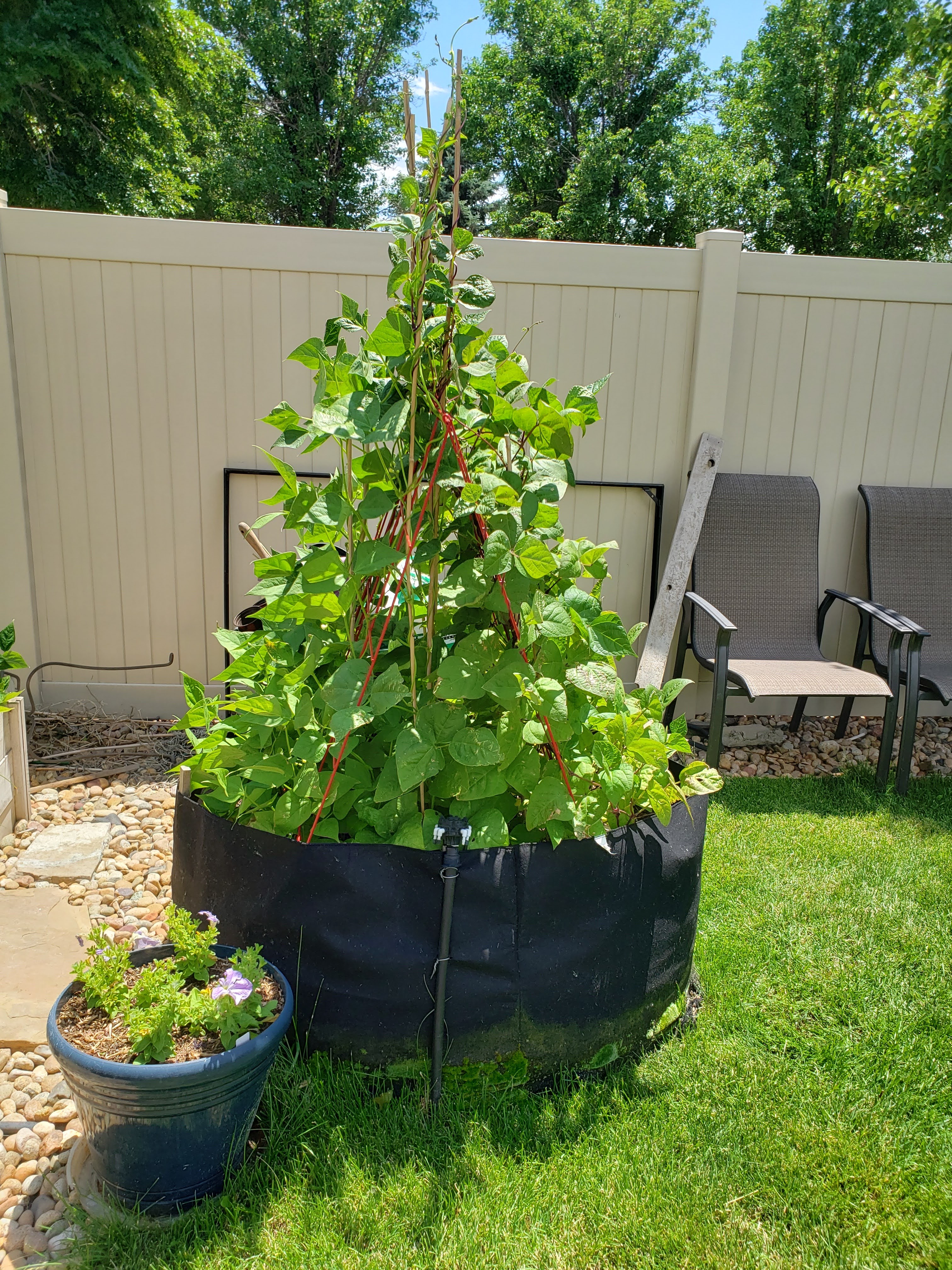
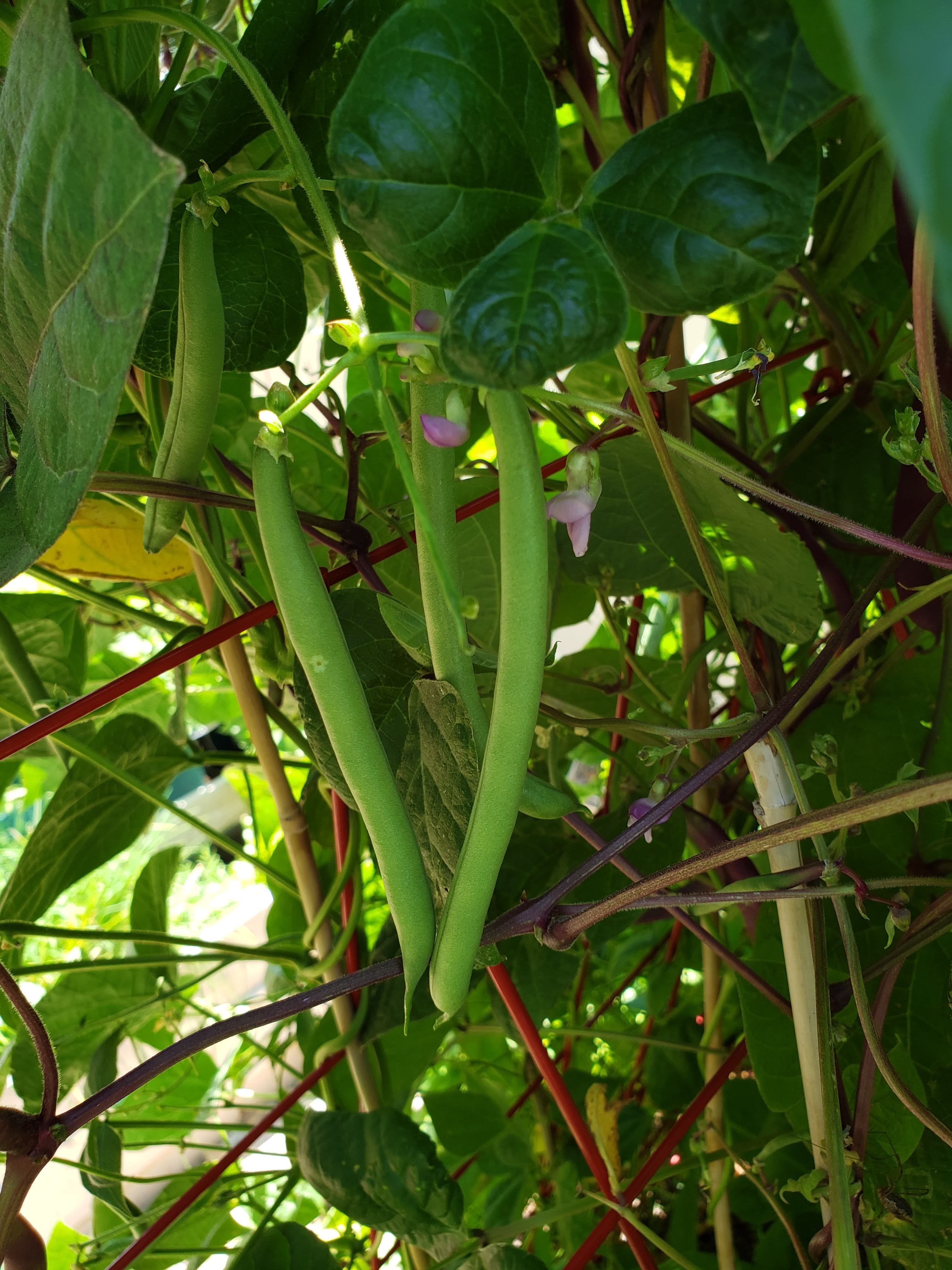
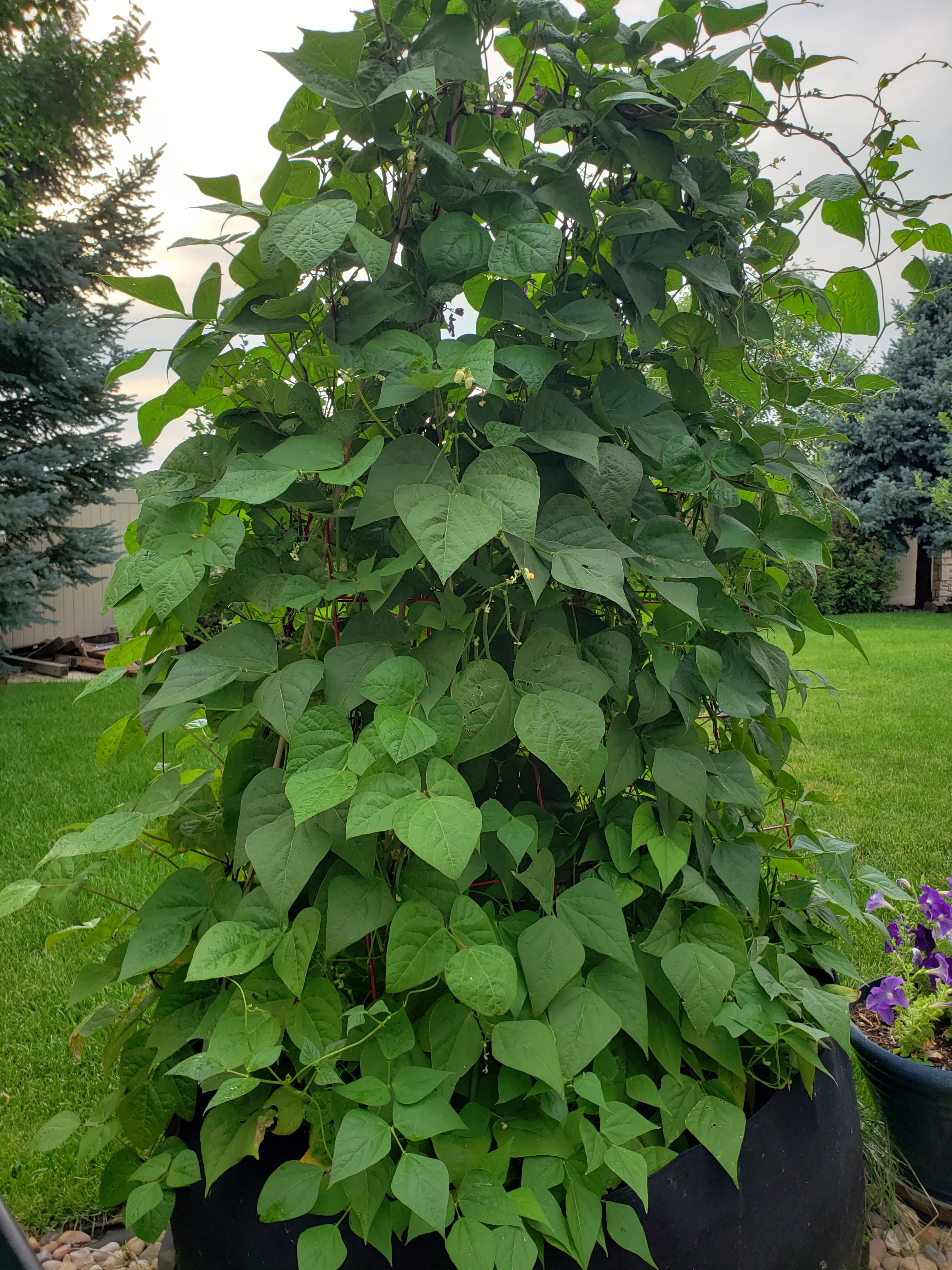
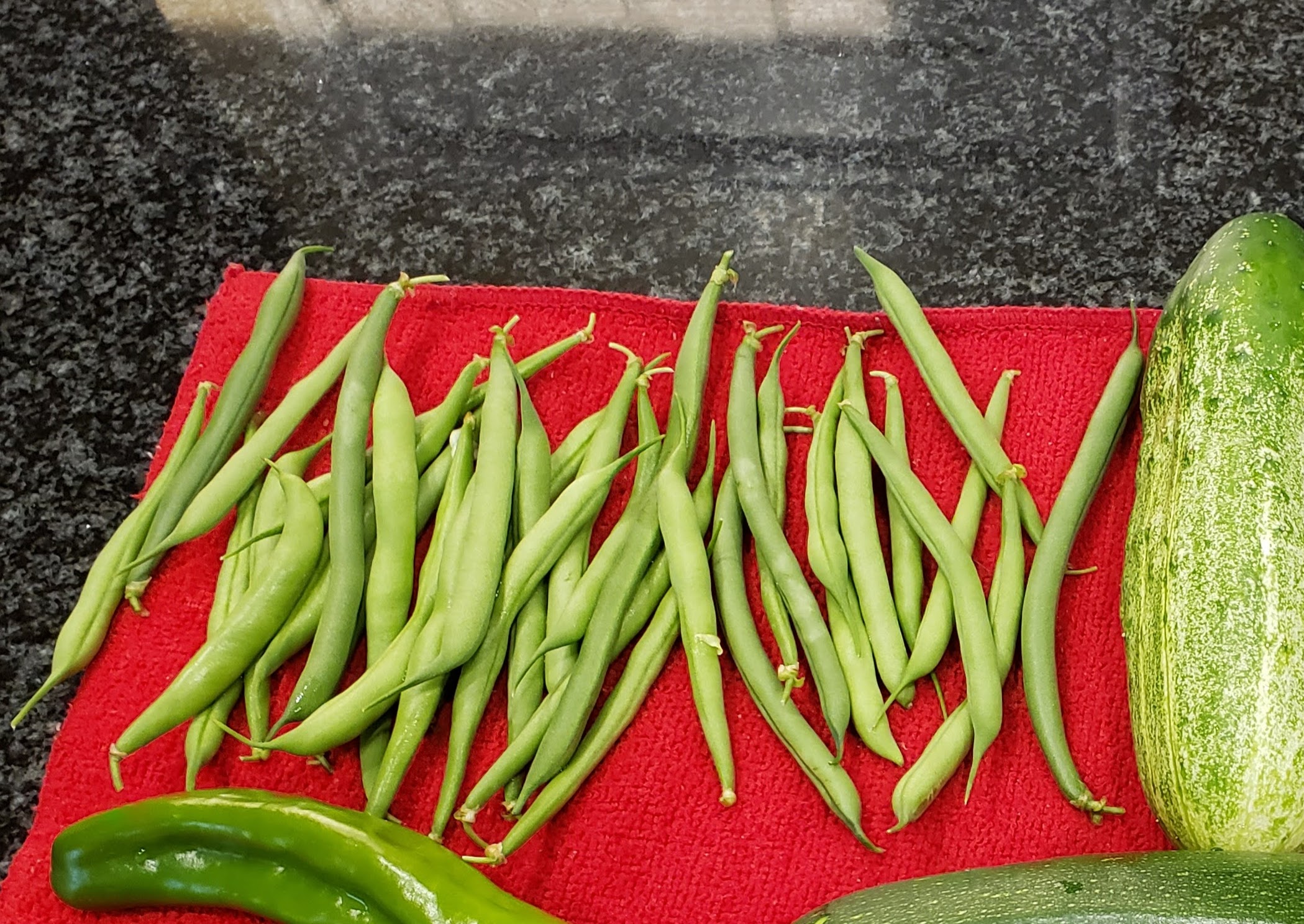
My whole family enjoys green beans, especially fresh from the garden. For several years I’ve built a tipi frame out of six foot bamboo stakes, and grown the beans up as a cylindrical pyramid. But this year I tried a new set-up using two A-frame trellises and bamboo stakes.

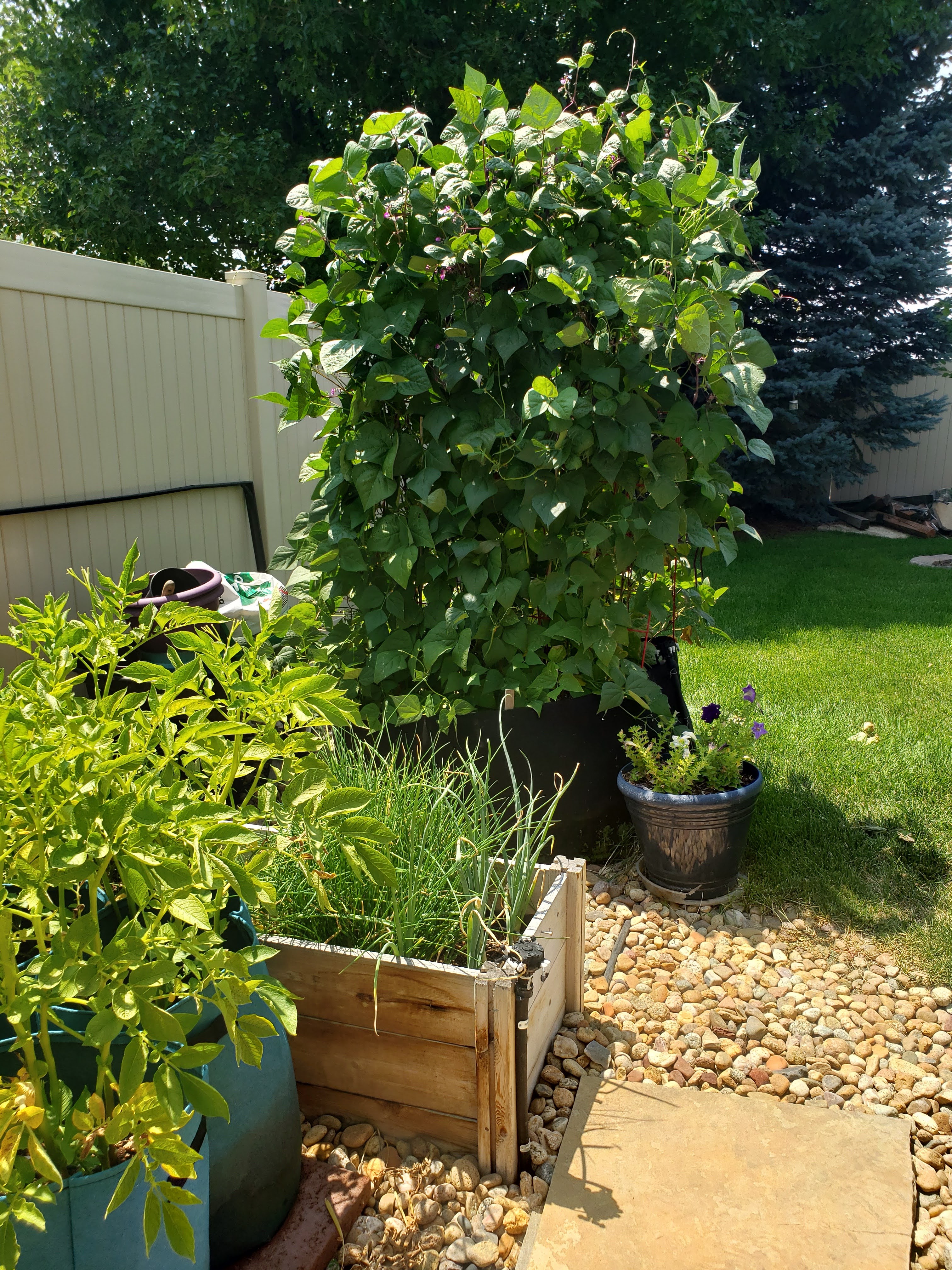
I will probably have to go back to the tipi next year, because the beans are simply too tall to work on my new structure. They have grown all the way up the trellis and over the top, and how have branches hanging back down from the top.

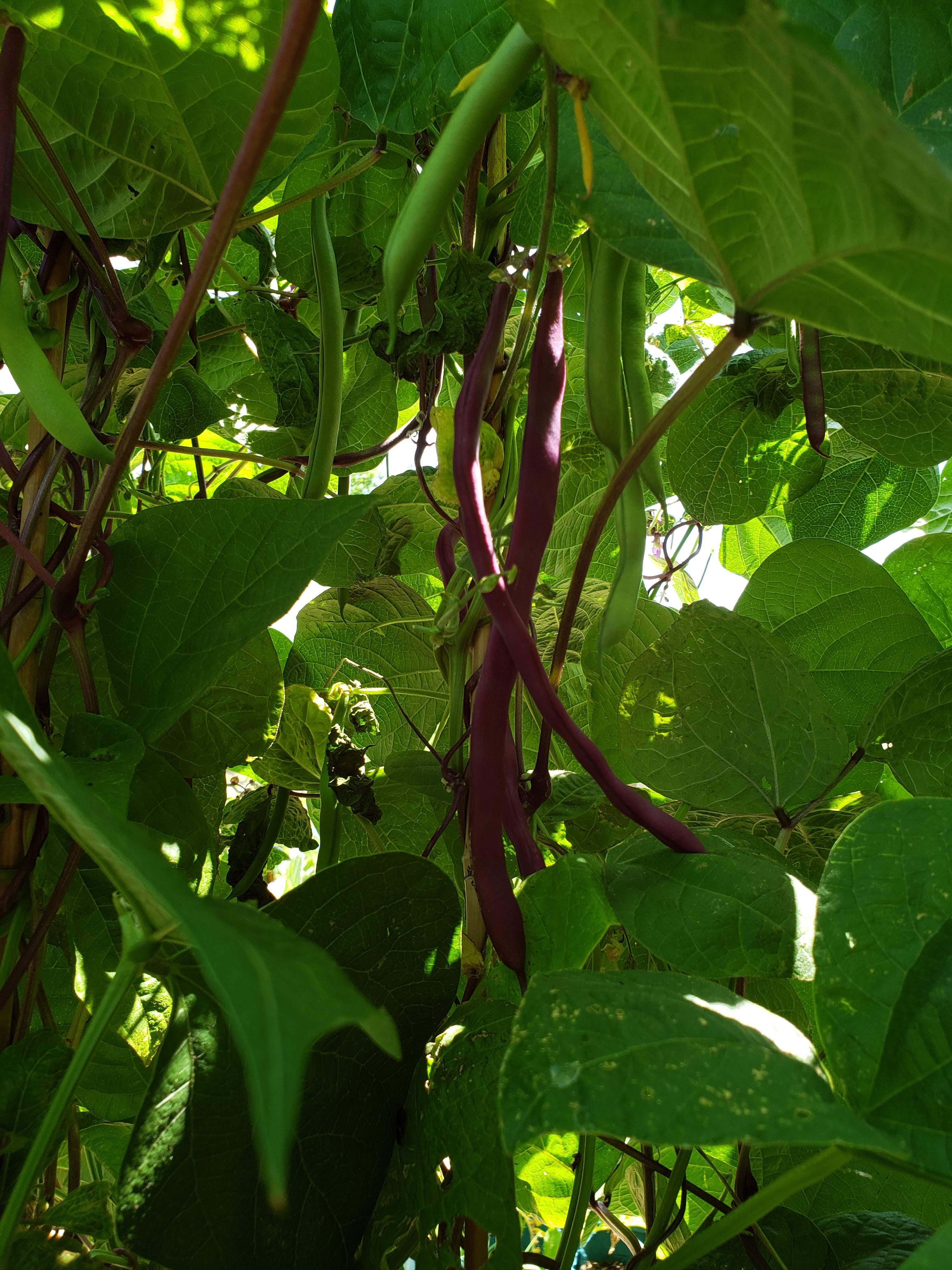
Because we like beans so much, I have fun growing different varieties. This year and last, I’ve grown purple pole beans as well as green pole and bush beans. I like the bush beans because they grow faster and fit nicely in any raised bed with no trellis, but the pole beans are really a beautiful addition, and they are so, so, so, very prolific!

From July through September, we have to harvest pretty much every other day. Beans get tough and dry when they are too big, and they only take a few days to go from tiny to ready. We’ve had to find additional ways to prepare beans, because we end up eating loads and loads in the summer. I’ve read that you can freeze garden beans pretty easily, but I haven’t tried it yet. Jarring is definitely a well-known option, too, if you end up with too many to eat.

So far, my family has managed to eat them all! We like to sauté them up with bacon and onions, InstantPot or pressure cook with bacon or ham, or Florentine style with almonds, or batter dipped and baked into “fried green beans”, parmesan crusted…

Hello There! Fuzzy and Big Chungus

As we gardeners know, good veg brings wildlife. I’m often surprised at how much wildlife we see – and share space with – this close to the city. We’ve had several fun fellows visit, and who doesn’t love critter pics. Enjoy!

Fuzzy

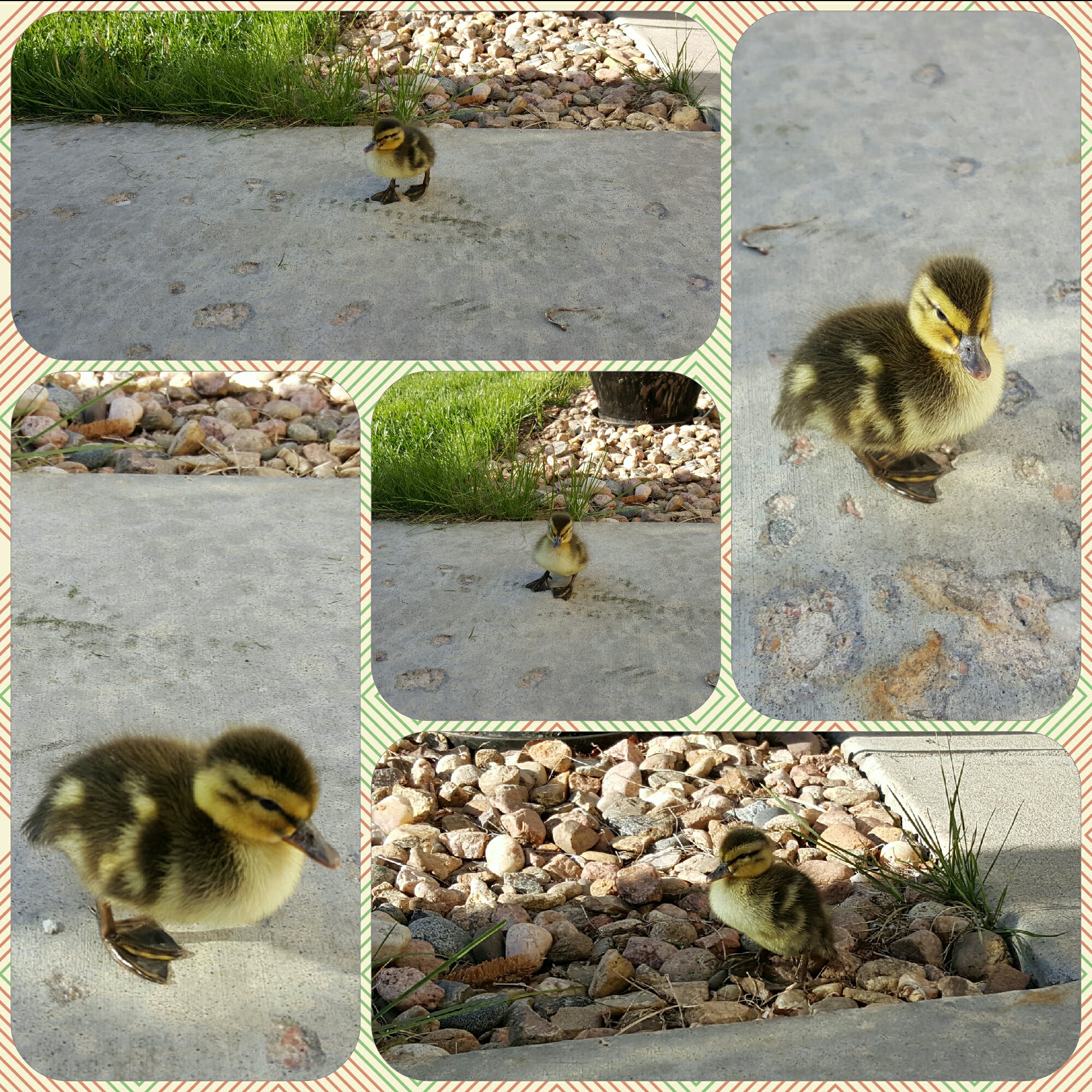
This little darling was a surprise on our way to work one morning a few years ago in May. We’d had a duck nest with a full clutch of eggs nestled underneath some shrubbery next to our front porch. My partner accidently uncovered it while clearing leaves to get ready for Spring. Mama duck came screaming out from under the bush and Papa met her in the driveway, where they proceeded to chew us out until well after the leaf blower was stowed.

As pissed as they were, Mama returned to the nest, and, feeling very poorly about scaring the shit out of this family of ducks with our leaf blower, my family watched silently every day from a nearby window, being careful to avoid the area, and giving them as much privacy and protection as we could.

One happy May morning, my family bounded out of the house on our way to work and school, and found a trail of egg shells out from the bushes. Peering excitedly under the shrubs, we could clearly see that the ducklings had hatched! The pond is just behind our house (after crossing a four lane road), so we were confident that the Duck family had already gone over for a swim and a snack.

And then all of a sudden there was movement! Running right by my foot! And then my kids were screeching! And then cooing. And then crouching down and calling to the tiny duckling running around our feet and the front walkway.

We stopped to investigate, and just like in the childrens’ book, this little love nugget ran up to me and tried to crawl up my leg, almost like he was asking, “Are you my mother?”. I had to stop myself as I reached down to pick him up. Every admonishment I’d ever heard about tiny wild animals included “don’t touch the baby or the mama won’t come back”.

Hrrmmpphh. That makes no sense. But it’s what I’d always been told, and besides, we were on our way to work and school. What was I supposed to do? Reach down and pick up that sweet little fuzzy love nugget? Put it in a little box, or maybe my purse, and bring it to work with me? Feed it all day on my desk and then drive it home with me during rush hour? And then let it rest in the bathtub while I build it a fabulous little hutch in the back yard, and love it and squeeze it and….

So anyway, we told the kids that Fuzzy’s mom was gonna be right back for him, and we needed to get out of the way so she could land. And we left Fuzzy in the driveway.

Don’t ask.

No, really. Don’t.

Fine. You were warned.

Later that summer, almost Fall I believe, we had a tree planting party in the back yard. To act as a sound barrier and shade provider, I bought 8 Giant Thuja trees to plant along the back fence. When clearing out the area for planting, we found a sad surprise. A tiny baby duck skeleton, poking through the back vertical wood slat fence. It had found a knot hole or crack or some other kind of space, and managed to get its head through. On the other side of the fence is a large four lane road and then….the pond. Where Fuzzy’s family was surely noshing and playing when he worked his head through. They were likely even communicating. Poor Fuzzy had become stuck in the fence, and ….well, you know. If I had had any idea the outcome would be so bad, I’d have gladly taken Fuzzy to work with me. I never imagined! I’ll never forgive myself for leaving Fuzzy. Bwwaaaaaaaa!!!!!

Big Chungus

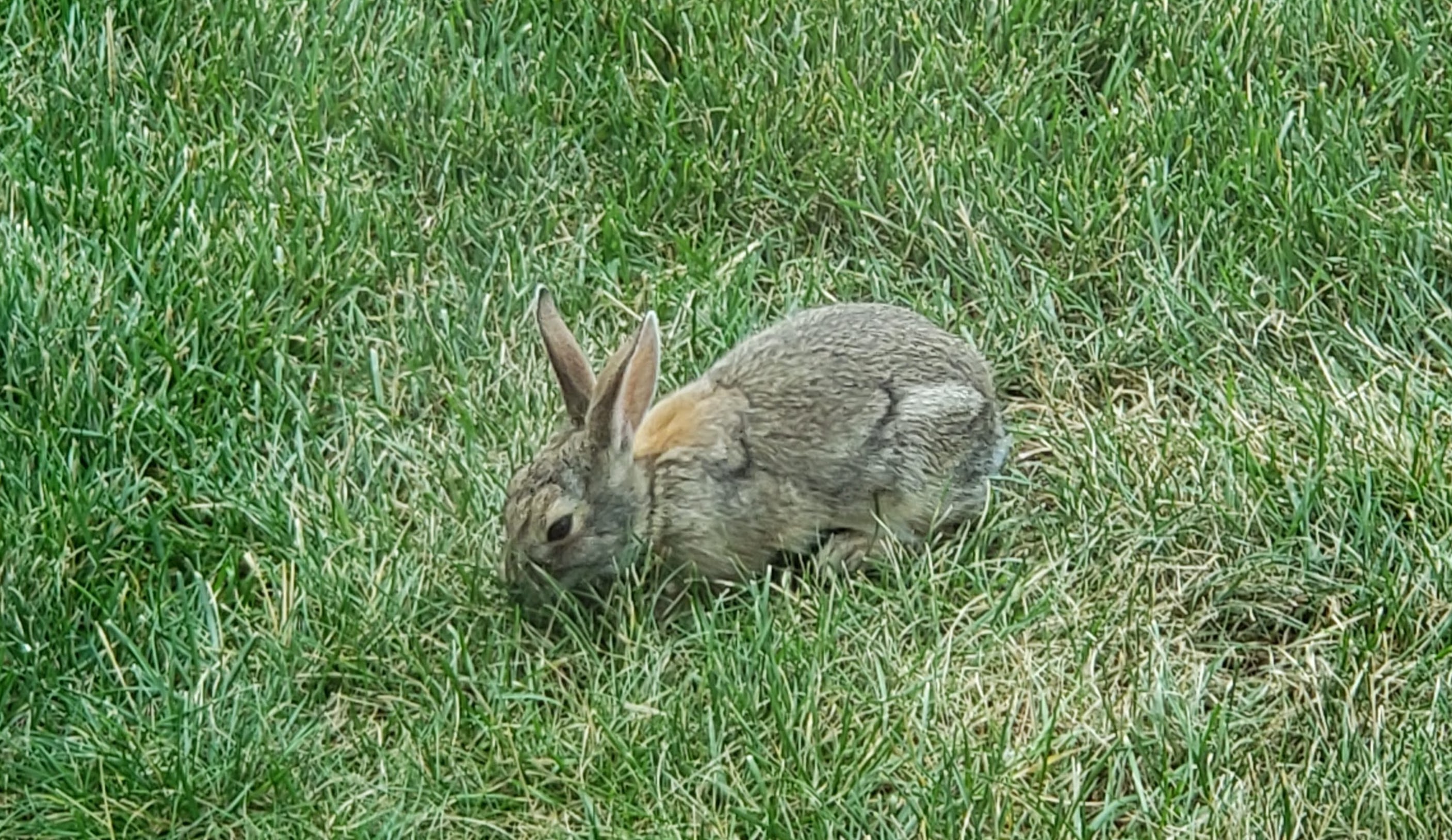
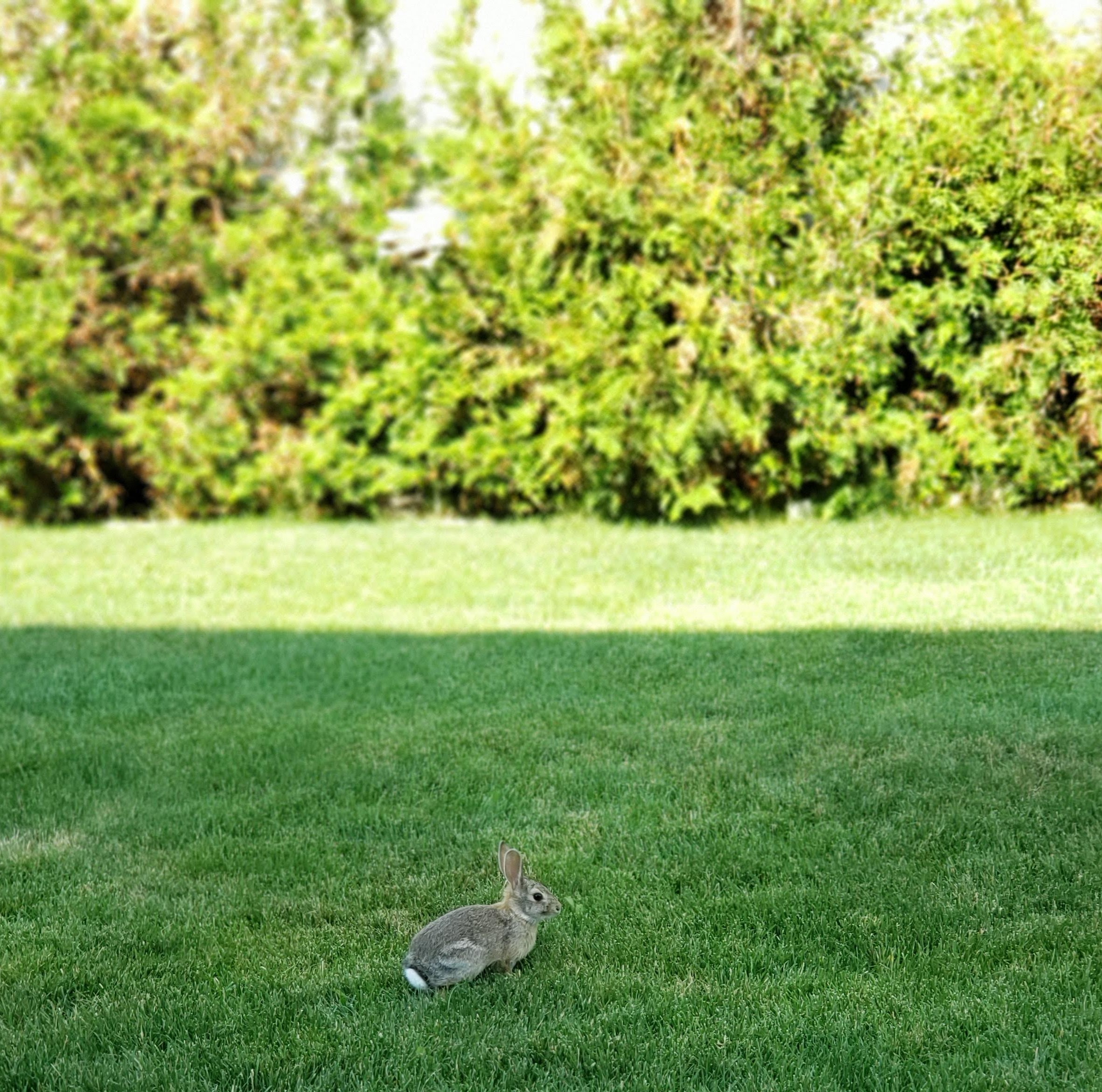
Ugg, that sucked. Here’s something more fun. During my time teaching middle schoolers, there was a thing about “Big Chungus”. I was sure the kids were just having one over on me, but later learned (for realz) that “Big Chungus” is the name for the giant Bugs Bunny that happens in an old Bugs Bunny cartoon. I’m serious, just Google it. Outside my trailer classroom there was plenty of wildlife, including bunnies. So we had no shortage of fodder for the “Big Chungus” jokes and comments. All. Goddam. Year.

My own biological children loved coming to school with me for “Bring Your Child to Work Day”, and my students seemed to enjoy hanging out with my MiniMe’s on those days, as well. Anyway, my own children remember visiting my classroom in great detail, and the Big Chungus phenomenon stuck on them hard after a visit. So naturally, when we had a new bunny show up in the back yard to munch our grass, the kids named him Snowball.

Ha! No, they called him Big Chungus, of course. Fast forward and there’s been a Chungus of variable size living in our back yard every year since. This year I’d like to introduce Midi-Chungus. Not Big. Not Little. Midi.

Hello There! Omigosh BABIES!!

Omigosh BABIES!!!!

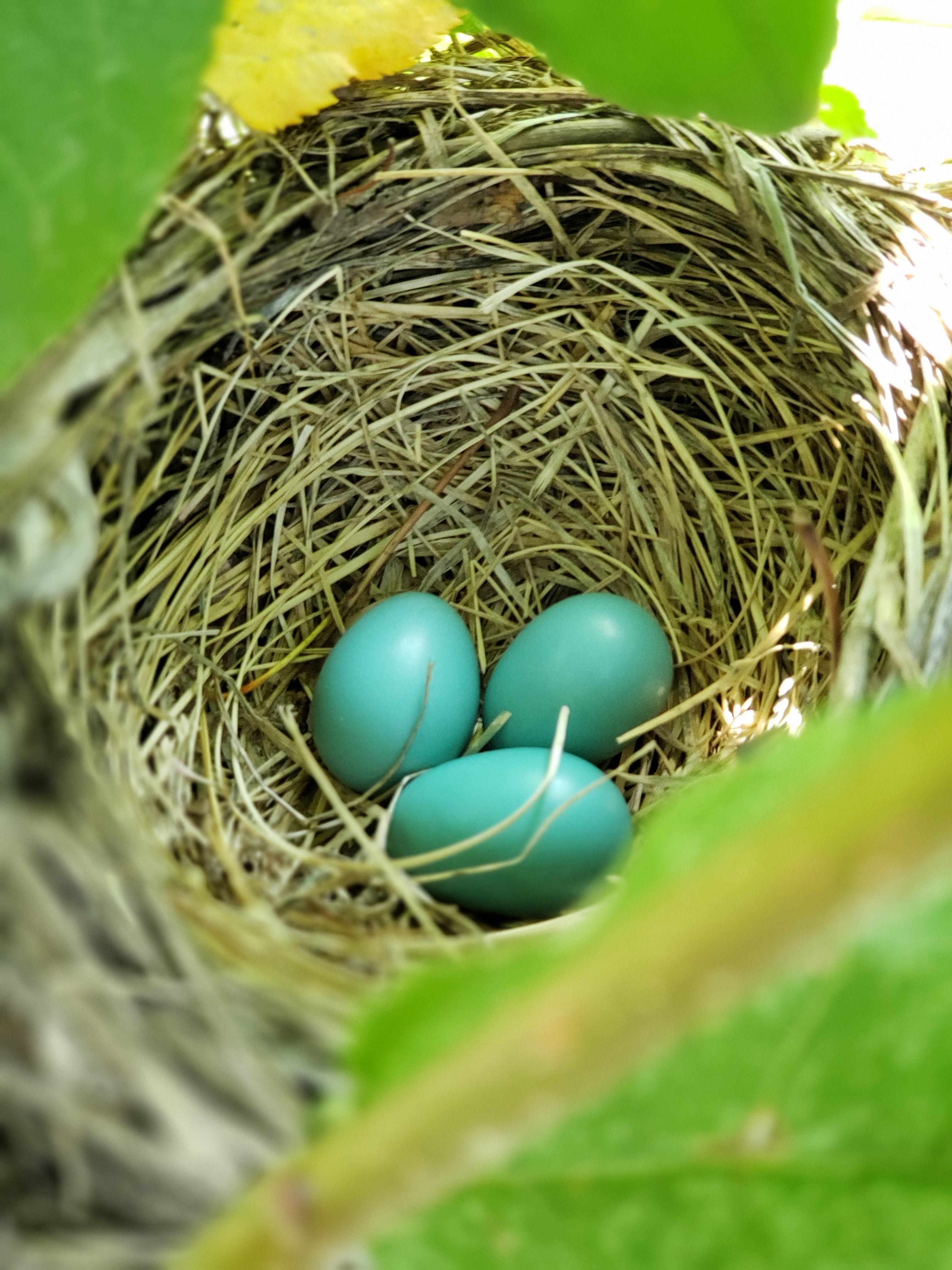
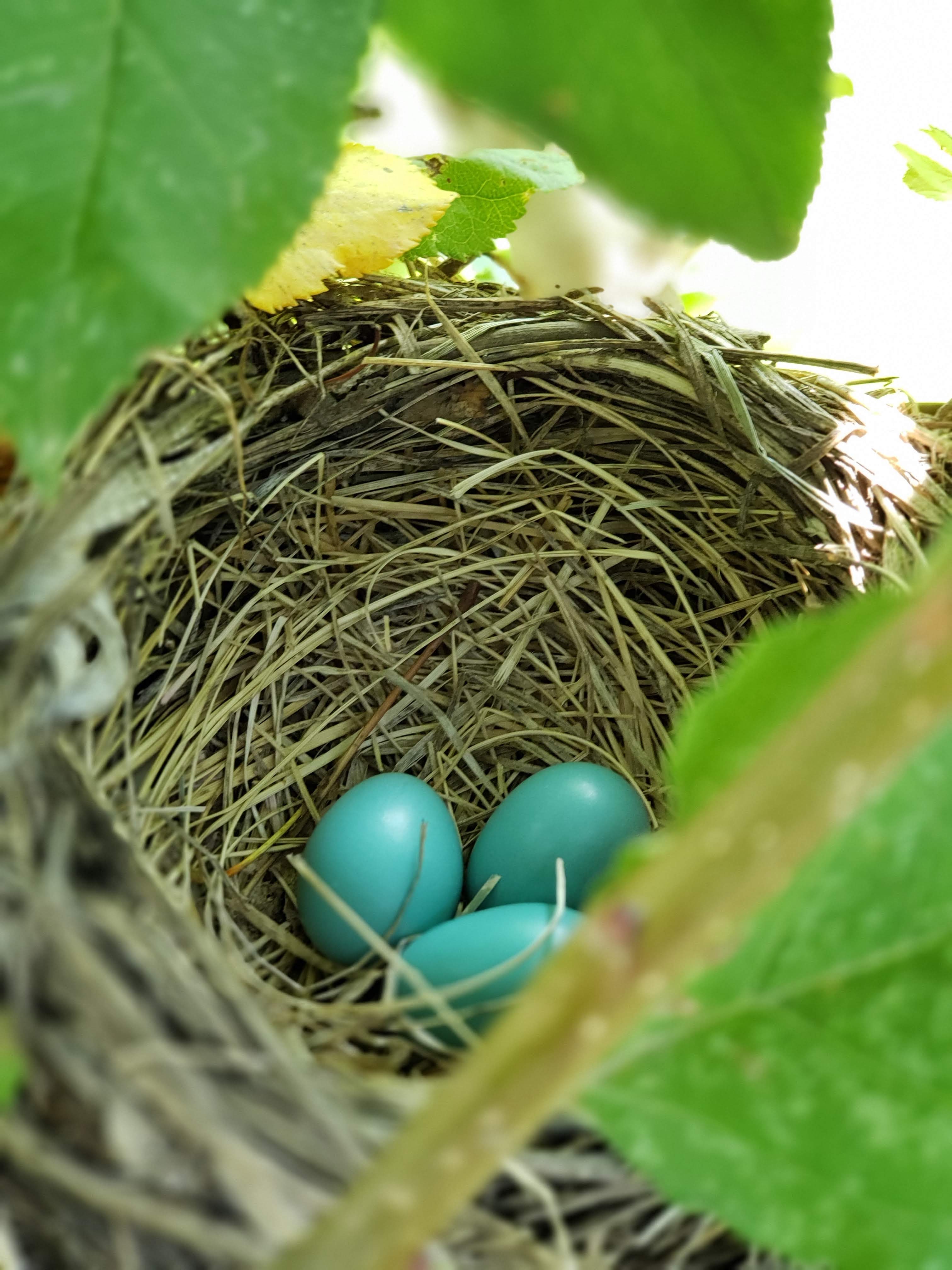
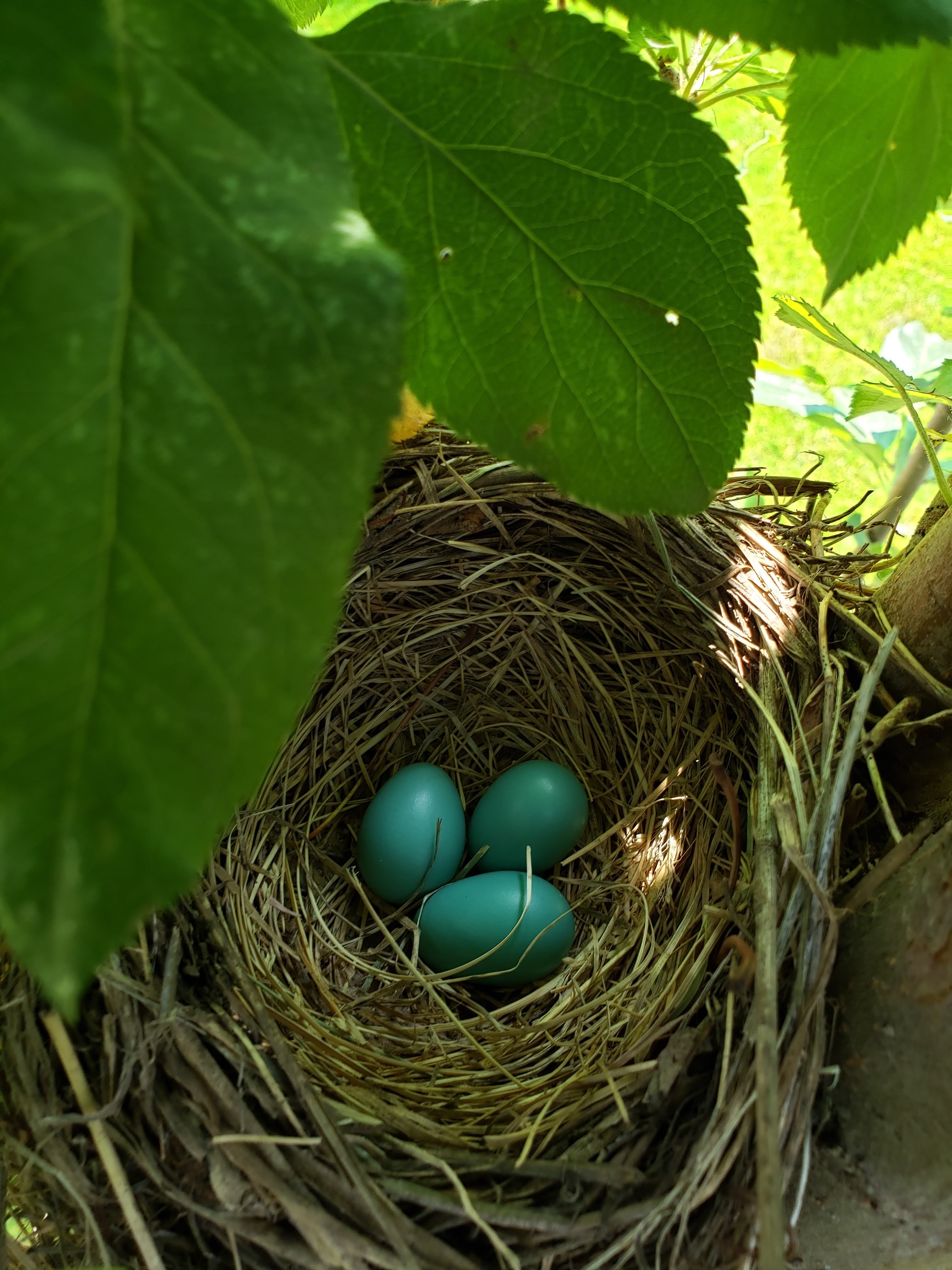
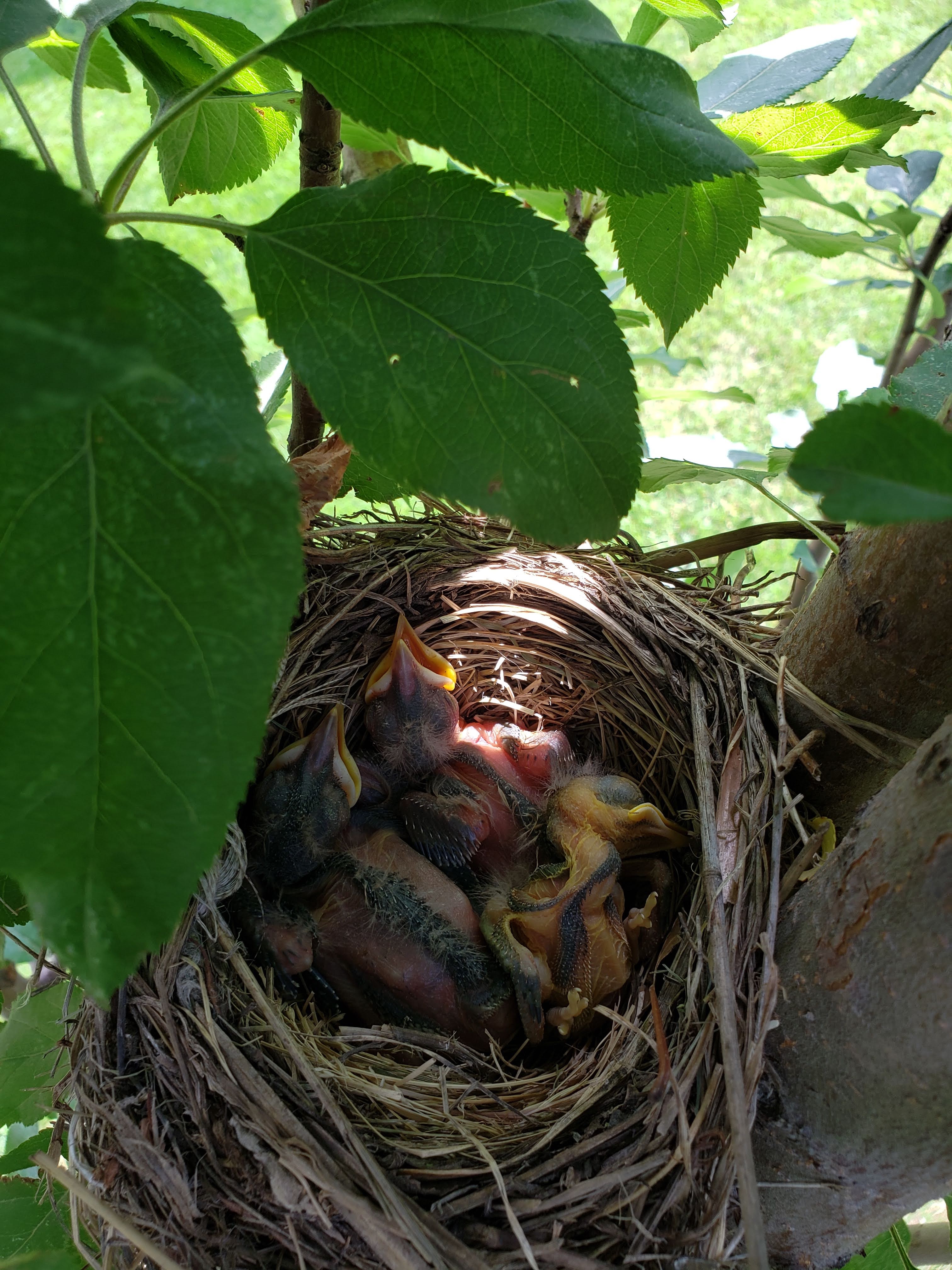
This one has been a very recent and pleasant surprise. I was walking around the garden and doing a once-over on the apple trees when I noticed a shadowy area in the crook of my young Gala tree.

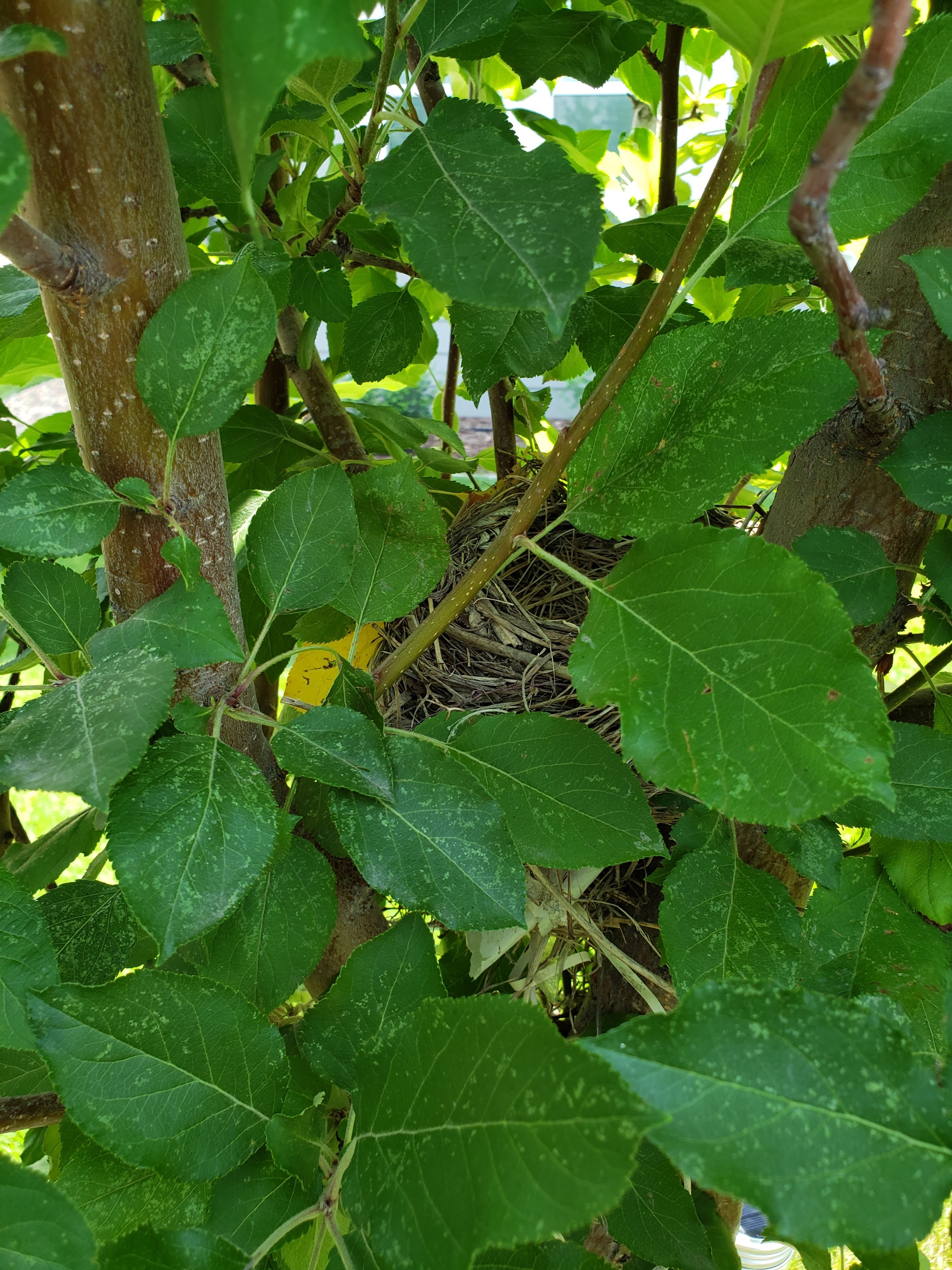
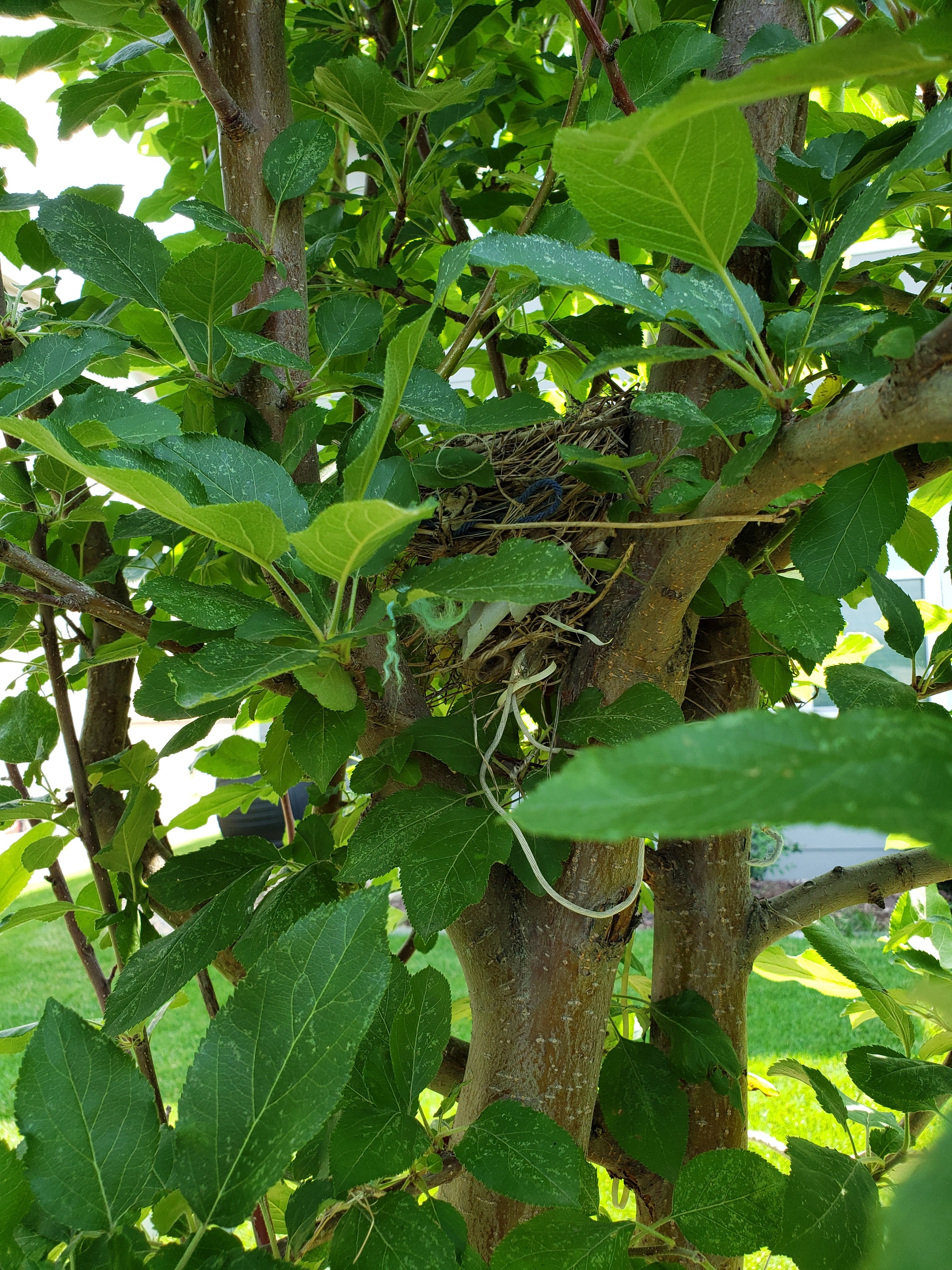
I kept getting closer until I realized what I was looking at. A Robin’s nest!!! And definitely in use. This tree is only about 15 feet tall, and this nest is at about eye height for me, and this has never been here before. How did I miss it being built?

Well, you know what nests are for.

So I had to look. I let my tech get the shot so this bumbling human wouldn’t disturb anything.

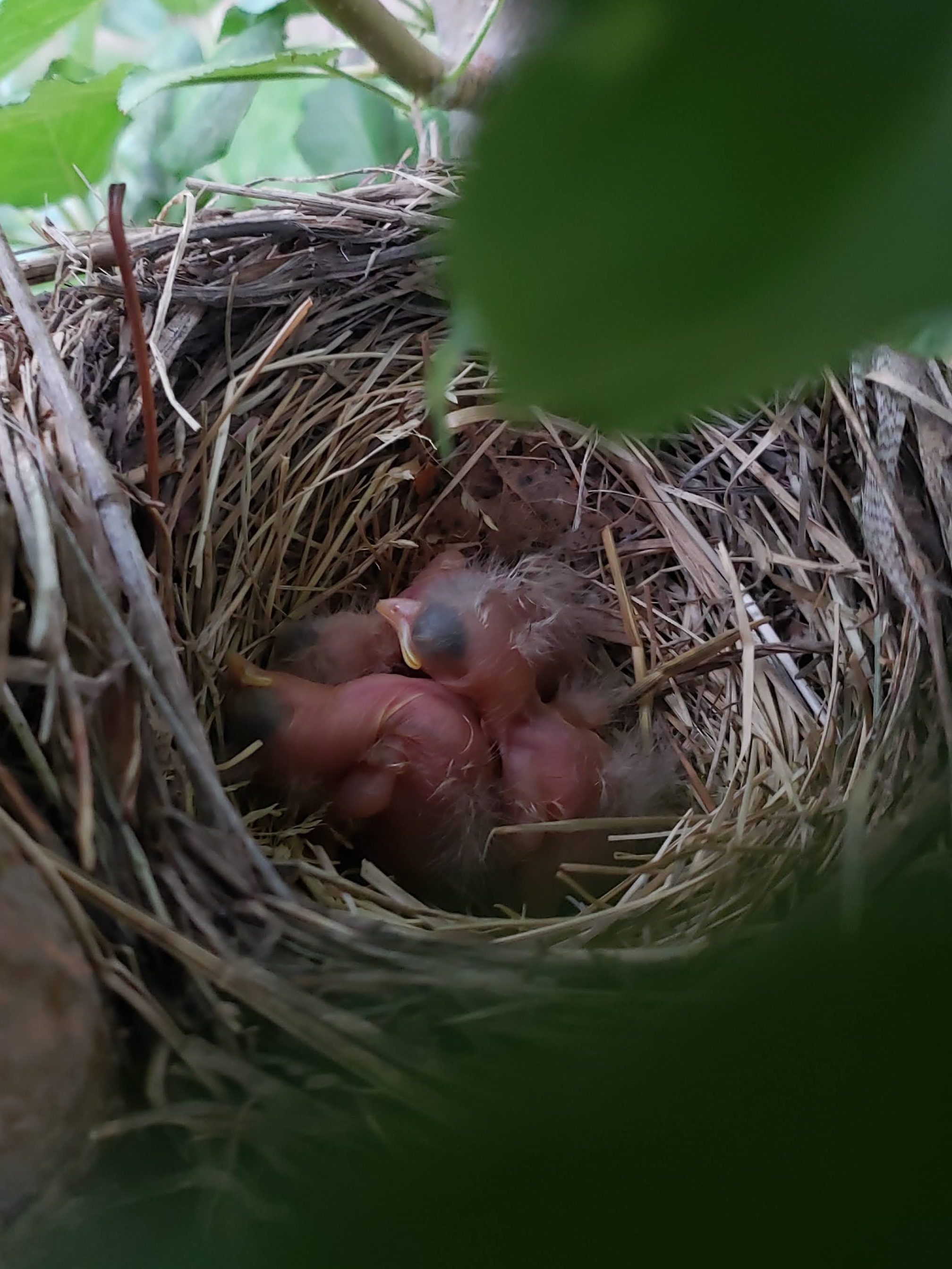
My children alarmed me when, the NEXT DAY, they told me the babies had hatched! How did this all happen so fast? And how did my children know?

Oh shit!! The kids had a step-stool pushed up to the tree, and, along with some neighbor kids, were looking at the nest. Gulp.

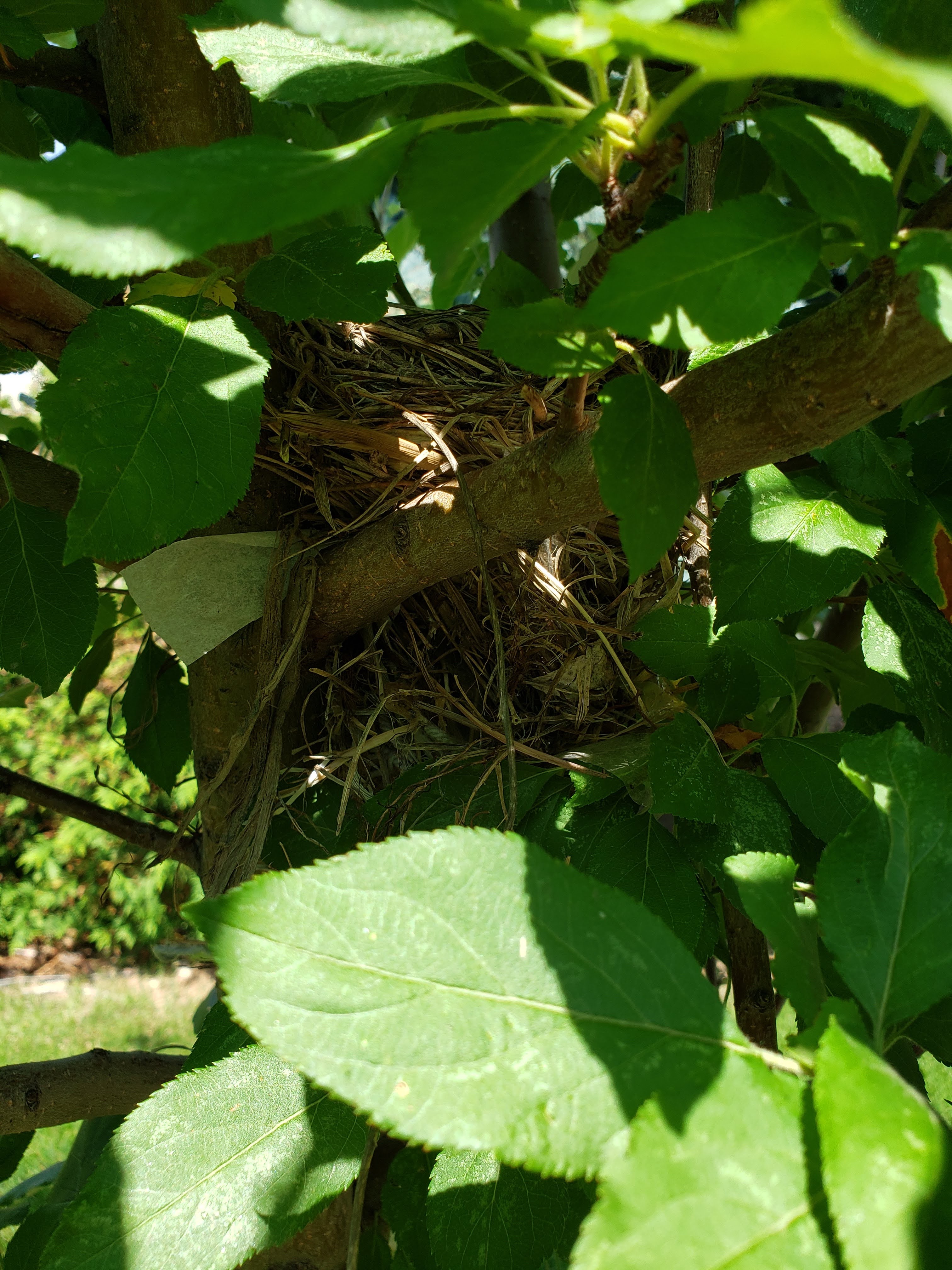
The kids swore up and down that they didn’t touch the nest at all, that they only wanted to look. So to appease their curiosity (and mine) without damaging the nest or getting too close, I used my tech again.

Damn, I’m good. That’s with my phone. Seriously.

Omigosh BABIES!!! I’ll update when I have more pics. Enjoy!


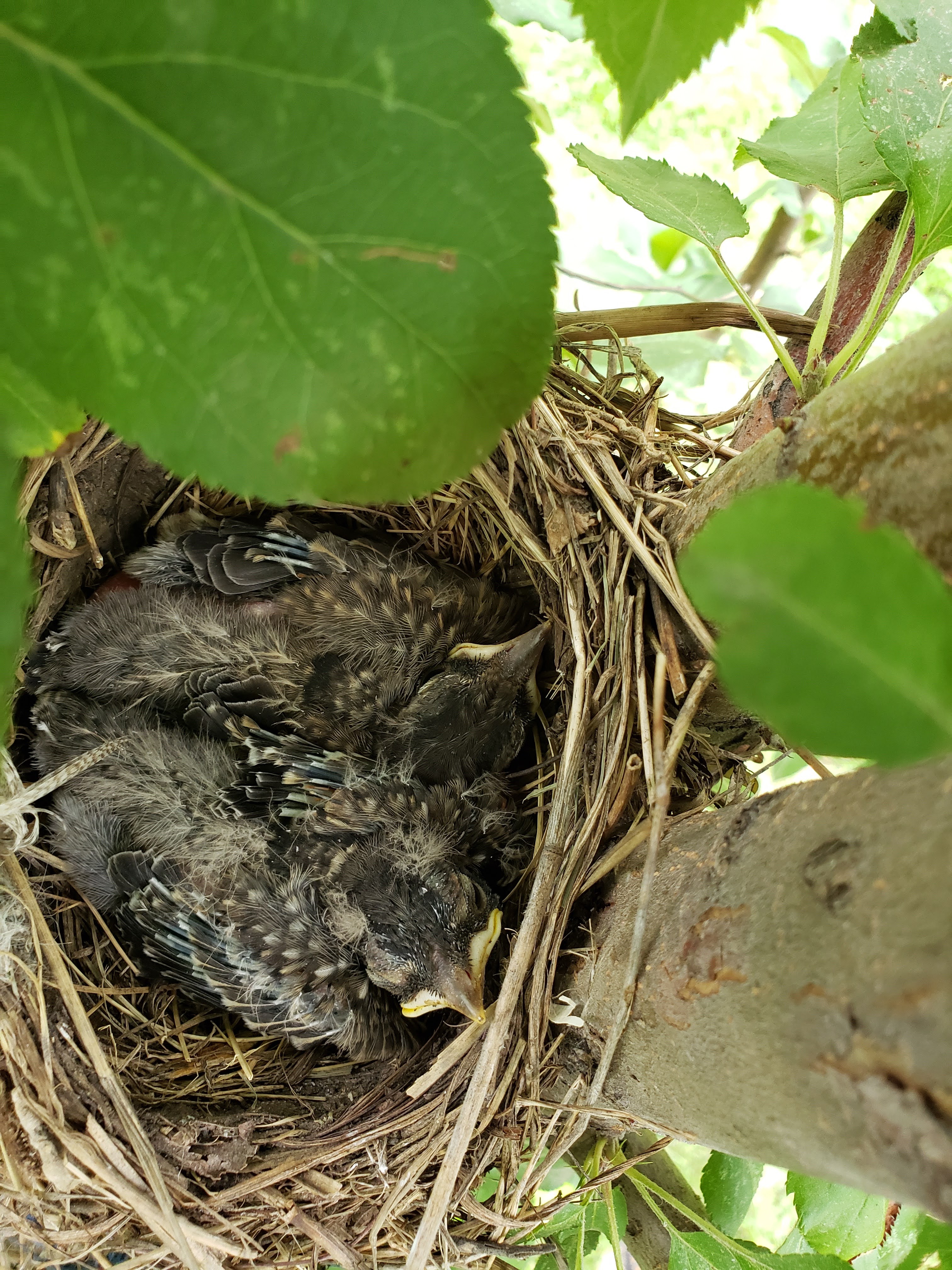
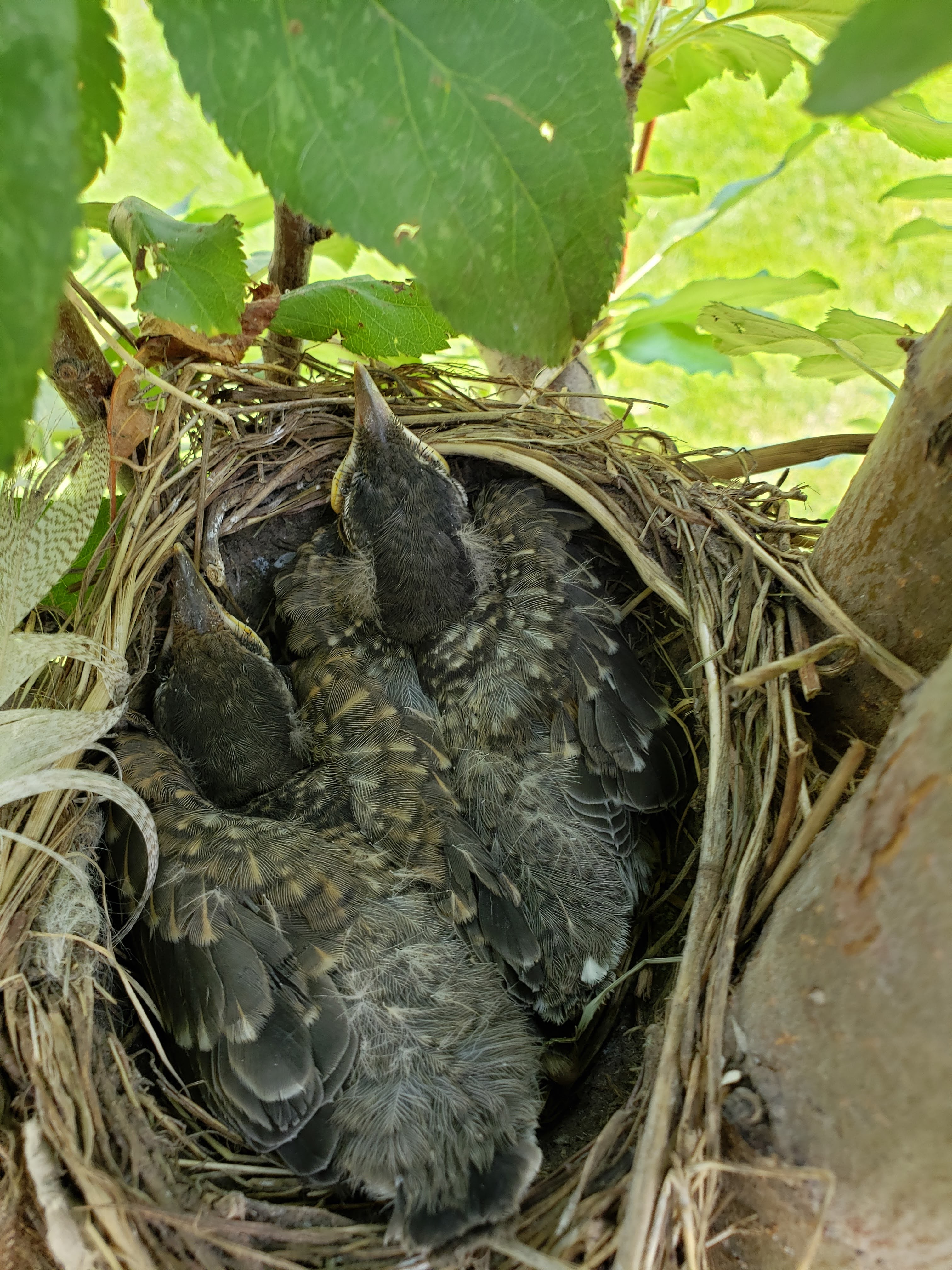
Update August 4, 2021: Wow, these little fellas are growing so fast!!!


Update August 8: Wow, they grow fast. But where is the third one?